


Property & Rental Law
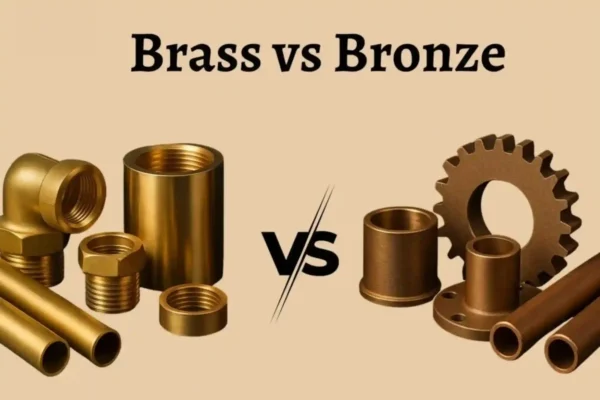
What Are the Properties of Bronze: Complete Guide with Examples
Introduction Bronze is one of the oldest and most useful metal alloys in human history. It has played an important...
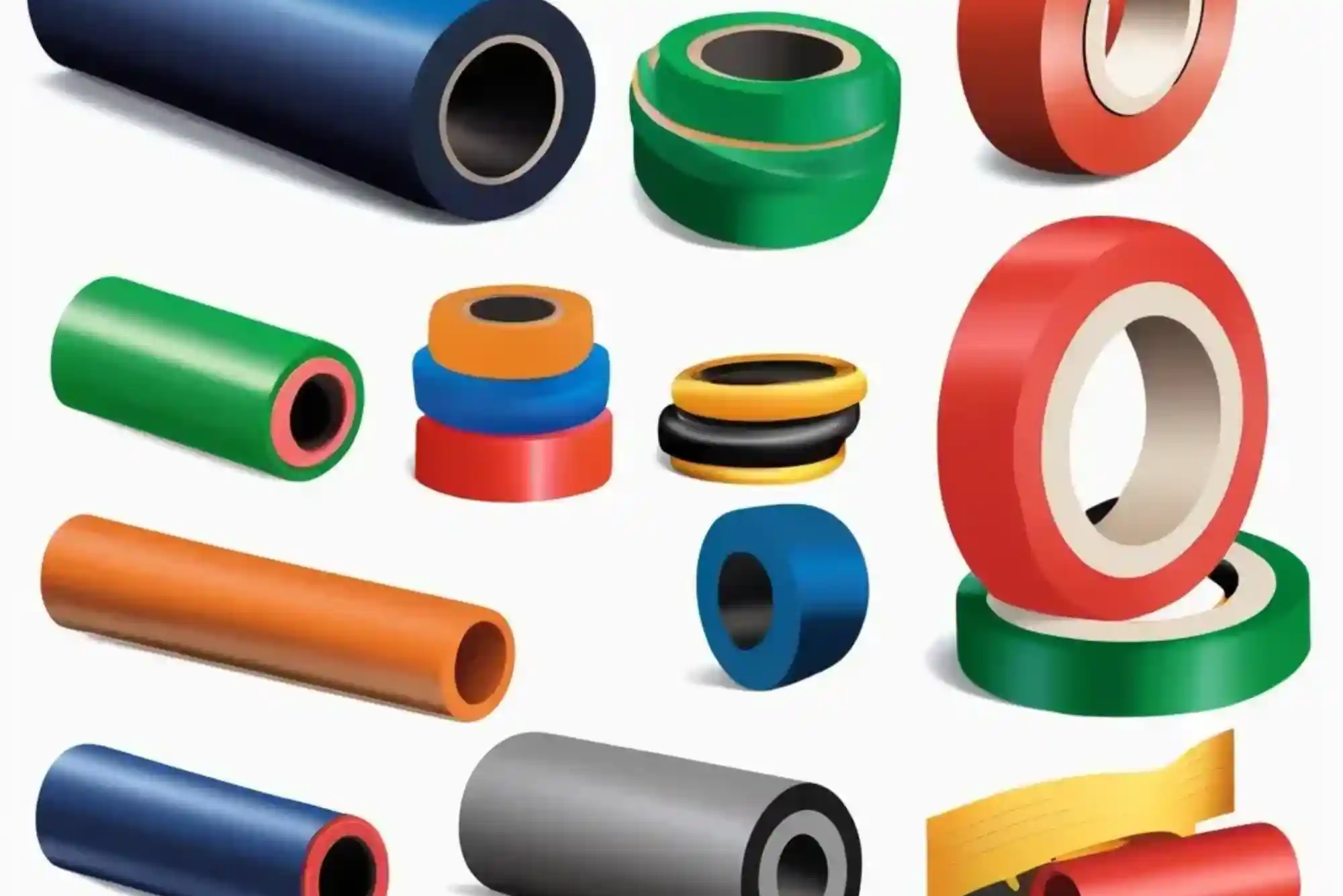
Rubber is an extraordinary material that plays an invisible yet crucial role in our daily lives. From the tires on your car to the seals in household appliances, rubber is everywhere.
Understanding What is the property of rubber: Complete Guide with Examples helps engineers, designers, and consumers choose the right material for specific tasks. At its core, rubber is an elastomer, which means it is a polymer with the unique ability to deform under pressure and return to its original shape.
Rubber is derived from two primary sources, including natural latex tapped from trees and synthetic polymers engineered in laboratories. The history of rubber manufacturing changed forever with the invention of vulcanization through sulfur cross-linking.
Without these unique characteristics, modern transportation, industrial machinery, and medical devices could not function efficiently. Exploring the core attributes of this material reveals why it remains irreplaceable across global industries.
Elasticity stands out as the most defining feature of rubber materials because polymer chains uncoil under stress. Once the external force is removed, these long molecular chains snap right back to their original resting state.
Tensile strength measures how much pulling force a material can handle before snapping under pressure. High-quality natural rubber exhibits exceptional tear resistance, making it ideal for heavy-duty mechanical applications and components subjected to friction.
Chemical resistance varies depending on the specific formulation of the elastomer and its intended operating environment. While standard natural rubber might degrade when exposed to petroleum oils, synthetic options like nitrile resist harsh chemicals effortlessly.
Thermal stability allows certain types of Property & Rental Law rubber to endure extreme temperature fluctuations without melting or shattering. Silicone rubber, for instance, maintains its flexibility in sub-zero environments while withstanding high heat inside automotive engines.
Vehicle tires represent the most common application of rubber properties in modern society and everyday transportation. Tire manufacturers combine natural and synthetic rubbers to balance elasticity, abrasion resistance, and Lawyer in Dubai traction on wet roads. Medical equipment relies heavily on specialized latex and silicone formulations for safety and hygiene. Surgical gloves use the high stretch ratio of natural rubber, while industrial seals exploit rubber's low compression set.
For reliable legal guidance and professional support in the UAE, choosing an experienced lawyer can make a significant difference. Whether you need help with business matters, property issues, family law, or other legal concerns, expert advice can protect your interests. Explore trusted legal services and learn more about your options at toplawyer.ae.
The main property of rubber is elasticity, which refers to its capacity to stretch significantly under pressure. It reverts to its exact original dimensions once the load is lifted without permanent deformation.
Natural rubber comes directly from tree latex and offers superior elasticity and tear resistance. Synthetic rubber is petroleum-based and engineered to provide enhanced resistance to oils, heat, and harsh chemicals.
Yes, rubber possesses high electrical resistance that prevents electrical currents from flowing through it. This makes it ideal for coating high-voltage cables, professional tools, and safety gloves.
Cold temperatures can make standard rubber stiff and brittle, whereas excessive heat can accelerate aging or melting. However, specialized formulas like silicone and EPDM handle extreme hot and cold ranges effectively.
Vulcanization is a chemical process involving sulfur that cross-links polymer chains to dramatically improve strength. It transforms sticky raw latex into a durable, elastic material suitable for industrial use.
Rubber features a dense molecular structure that successfully blocks moisture and air to create reliable seals. Specialized variants like butyl rubber keep gases trapped securely, which explains their use in vacuum seals.
Rubber remains an indispensable material because of its unique blend of elasticity, durability, and environmental resistance. Whether providing a safe grip, waterproofing a seal, or insulating electrical wiring, its adaptable nature serves countless functions.
Choosing the correct rubber type requires analyzing specific mechanical, thermal, and chemical demands for your project. Assess your requirements today and select the ideal rubber compound to ensure long-lasting performance and reliability.
Related Reading: Can foreigners buy property in israel: Complete Guide with Examples — full guide
Related Reading: How to sell my property: Complete Guide with Examples
Related Reading: Is Temperature an Intensive Property: Complete Guide with Examples
Related Reading: What Is Property Valuation: Complete Guide with Examples — full guide
The articles published on TopLawyer.ae are prepared for general educational and informational purposes only and do not constitute formal legal advice or the formation of an attorney-client relationship. UAE laws, judicial precedents, and regulatory procedures are subject to frequent legislative amendments. Readers should consult a licensed legal advocate or registered law firm regarding their specific circumstances prior to taking legal action.

Licensed advocates and legal consultants experienced in this practice area across the UAE.

Introduction Bronze is one of the oldest and most useful metal alloys in human history. It has played an important...
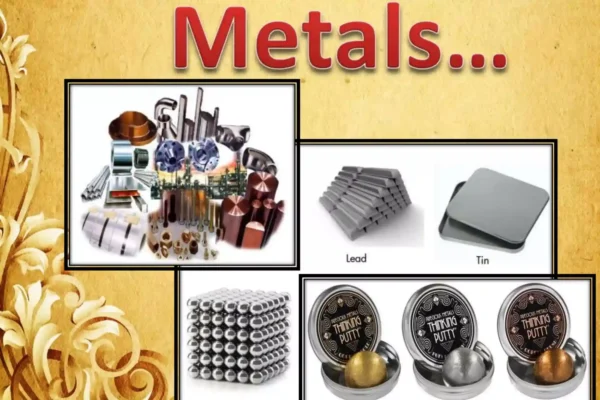
Introduction Metals are essential materials that shape modern life. From buildings and vehicles to electrical equipment and household products, they...
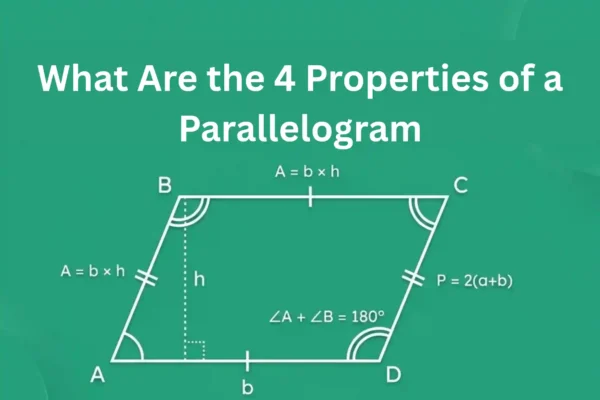
Introduction Understanding geometry becomes easier when you recognize patterns between shapes. One important quadrilateral is the parallelogram. It appears in...