


Property & Rental Law
What Are the Properties of Bronze: Complete Guide with Examples
Introduction Bronze is one of the oldest and most useful metal alloys in human history. It has played an important...
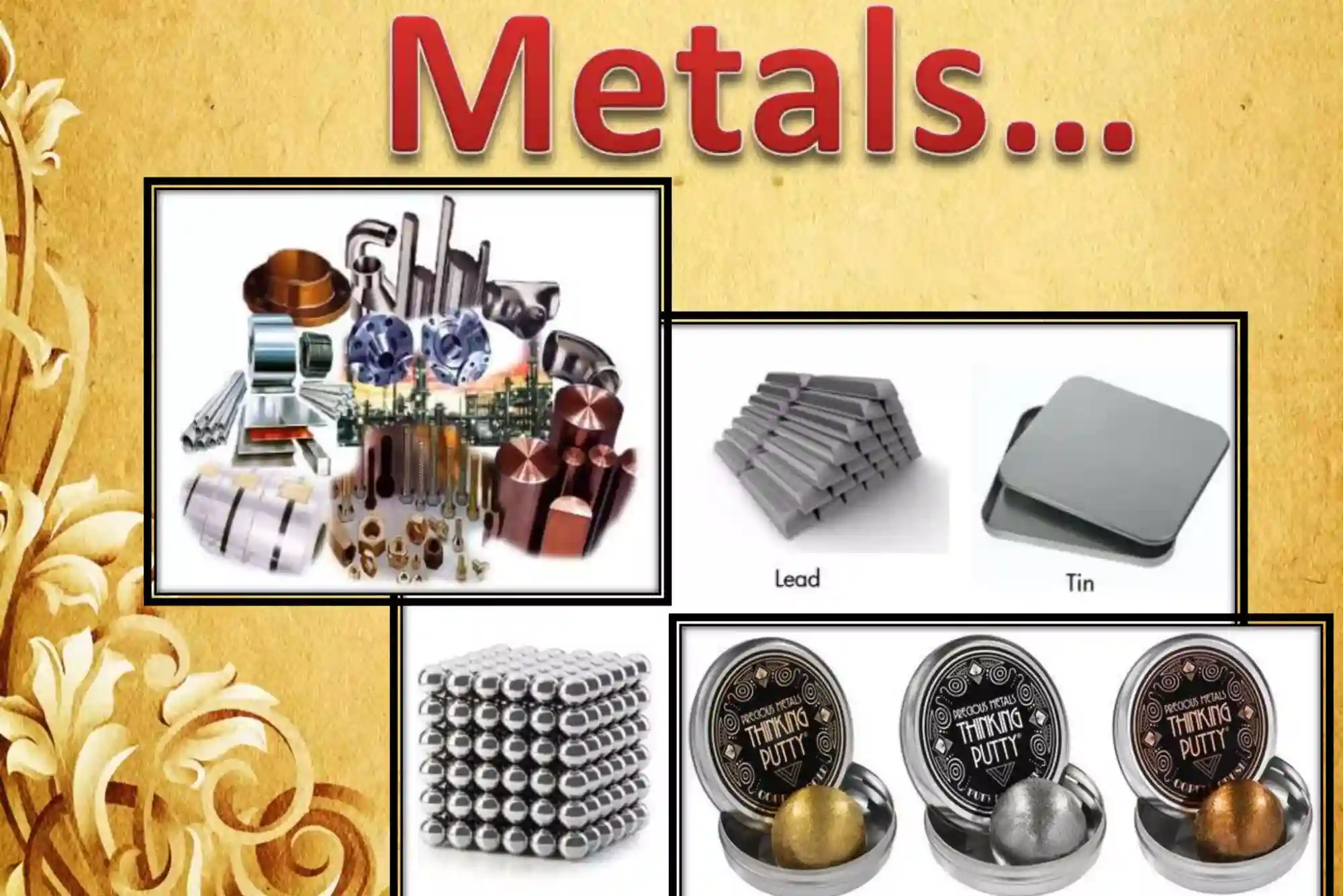
Metals are essential materials that shape modern life. From buildings and vehicles to electrical equipment and household products, they serve countless purposes. Their unique physical and chemical characteristics make them valuable across different industries. Understanding the general properties of metals helps explain why they are widely used in construction, engineering, manufacturing, and technology.
When exploring what are the general properties of metals, several characteristics stand out. Most metals are strong, shiny, malleable, ductile, and excellent conductors of heat and electricity. However, their properties can vary depending on their composition and structure. Some metals are lightweight, while others are extremely dense. Similarly, certain metals resist corrosion better than others.
This guide explains the important properties of metals, their characteristics, and their practical applications. It also explores how these properties influence everyday materials and industrial processes.
Metals are chemical elements that generally lose electrons during chemical reactions. They usually form positive ions and display metallic bonding. Their atoms are arranged in structures that allow electrons to move relatively freely.
This arrangement explains many common metallic characteristics. For example, freely moving electrons contribute to electrical conductivity. Metallic bonding also helps metals maintain strength while allowing certain structural changes.
Iron, copper, aluminium, gold, silver, and zinc are common examples. Each metal has different characteristics, making it suitable for specific applications.
Understanding the general properties of metals is important when selecting materials for particular purposes. Engineers consider strength, weight, temperature resistance, and durability before choosing a metal.
Physical properties describe characteristics that can be observed or measured without changing a material's chemical identity. Metals share several important physical properties.
One of the most recognizable properties of metals is their shiny appearance. This characteristic is called metallic lustre. Most freshly polished metals reflect light effectively, creating a bright surface.
Gold, silver, copper, and aluminium demonstrate this property clearly. However, exposure to air and moisture can change their appearance. For example, iron develops rust, while copper gradually develops a greenish surface layer.
Metallic lustre makes certain metals useful in jewellery, decoration, architecture, and product manufacturing.
Malleability refers to the ability of a material to change shape under compression without breaking. Metals can often be hammered, pressed, or rolled into thin sheets.
Gold is among the most malleable metals. Aluminium is also widely used for producing thin sheets and packaging materials.
This property makes metals valuable in manufacturing. Car bodies, roofing sheets, cooking utensils, and metal containers depend on malleability.
Ductility describes a metal's ability to stretch into thin wires without breaking. This characteristic makes metals particularly useful in electrical and industrial applications.
Copper is an excellent example because manufacturers can draw it into flexible wires. Aluminium is another ductile metal used in electrical transmission systems.
Ductility also allows manufacturers to produce cables, springs, and different metal components.
Most metals conduct electricity efficiently because they contain mobile electrons. These electrons move through the metallic structure when an electrical potential is applied.
Copper and silver are excellent electrical conductors. Aluminium is also widely used because it combines good conductivity with relatively low weight.
Consequently, metals are essential for electrical wiring, power distribution, electronic equipment, and electrical machinery.
Thermal conductivity refers to the ability of a material to transfer heat. Most metals transfer heat efficiently compared with many non-metallic materials.
Copper and aluminium are commonly used in cooking equipment and heat exchangers. Stainless steel is also used in cookware, although its thermal conductivity is lower than copper's.
This property makes metals important in refrigeration systems, industrial machinery, and heating equipment.
Many metals have considerable strength and hardness. Strength describes their ability to withstand applied forces without failing. Hardness measures resistance to scratching, indentation, and surface deformation.
Iron and steel are widely used in construction because they can withstand significant loads. Tungsten is particularly hard and has an exceptionally high melting point.
However, not every metal is equally strong. Pure aluminium is relatively soft, while certain steel alloys offer much greater strength.
Besides physical characteristics, metals also display important chemical properties. These properties explain how metals react with other substances.
Many metals react with oxygen and form metal oxides. The reaction rate depends on the metal and environmental conditions.
For example, iron reacts with oxygen and moisture to produce rust. Aluminium develops a thin aluminium oxide layer that helps protect its underlying surface.
Gold and platinum are much less reactive under ordinary conditions. Therefore, they maintain their appearance longer.
Some metals react with water, although their reactions differ considerably.
Sodium and potassium react vigorously with water. Calcium reacts less vigorously, while iron generally reacts with water vapour under suitable conditions.
These differences help scientists classify metals according to their chemical reactivity.
Many metals react with dilute acids and release hydrogen gas. For example, zinc reacts with hydrochloric acid to produce zinc chloride and hydrogen.
However, not all metals react equally. Copper and silver do not normally release hydrogen when exposed to dilute hydrochloric acid.
Their behaviour depends on their position in the reactivity series and the chemical conditions involved.
Corrosion occurs when metals gradually deteriorate through chemical or electrochemical reactions with their surroundings.
Some metals resist corrosion naturally. Aluminium forms a protective oxide layer, while chromium helps stainless steel resist rusting.
Gold and platinum also demonstrate excellent resistance to corrosion. These characteristics make certain metals suitable for outdoor structures, marine equipment, and long-lasting products.
Although metals share general characteristics, their individual properties can vary significantly. Their atomic structure, bonding, purity, and alloy composition influence their performance.
Temperature also affects metallic behaviour. Heating can increase flexibility, change strength, and eventually cause melting.
Manufacturing processes influence metal properties as well. For example, heat treatment can improve the hardness and strength of certain steel grades.
Alloying provides another way to modify metallic characteristics. An alloy combines a metal with other elements to achieve specific properties.
Stainless steel contains iron, chromium, and often nickel. Its composition improves corrosion resistance and makes it useful for demanding environments.
Similarly, aluminium alloys offer improved strength for automotive and aerospace applications.
The general properties of metals explain their widespread use in different industries. Their strength, conductivity, durability, and flexibility support countless products and structures.
Steel, aluminium, and iron are important construction materials. Steel provides structural strength in buildings, bridges, and industrial facilities.
Aluminium is useful for window frames, roofing systems, and lightweight structural components. Its corrosion resistance also makes it suitable for many outdoor applications.
Copper and aluminium play essential roles in electrical systems. Copper wiring connects household appliances, industrial equipment, and electronic devices.
Silver is also an excellent conductor, although its cost limits widespread use in ordinary wiring.
Vehicles depend on different metals for safety, performance, and durability. Steel provides structural support, while aluminium helps reduce vehicle weight.
Copper is essential for electrical components, batteries, and wiring systems. Stainless steel also appears in exhaust systems and other automotive parts.
Metallic materials are common in everyday household items. Stainless steel is used in kitchen appliances, cookware, and utensils.
Aluminium appears in packaging, furniture, and household equipment. Copper is used in plumbing systems and electrical installations.
Metals and non-metals have different physical and chemical characteristics. Metals generally display metallic lustre, good conductivity, malleability, and ductility.
In contrast, solid non-metals are often brittle and poor conductors. However, important exceptions exist. Graphite, for example, conducts electricity despite being a non-metal.
Metals usually lose electrons during chemical reactions. Non-metals generally gain or share electrons.
These differences help scientists identify elements and understand their chemical behaviour. Nevertheless, individual elements can display unusual characteristics.
Understanding the four properties of a parallelogram makes geometry easier for beginners and advanced learners. These properties include opposite sides being equal and parallel, opposite angles being equal, consecutive angles adding up to 180 degrees, and diagonals bisecting each other. Learning these rules helps solve geometry problems and understand shapes more confidently.
Selecting an appropriate metal requires understanding its intended application. Engineers evaluate several factors before choosing a material.
Strength is important for buildings, bridges, and heavy machinery. Conductivity matters when manufacturing electrical components. Corrosion resistance becomes essential in outdoor and marine environments.
Weight also influences material selection. Aluminium is often preferred when lightweight construction is necessary. Meanwhile, steel remains valuable where high structural strength is required.
Cost, availability, maintenance, and recyclability also influence decisions. Therefore, the best metal depends on the requirements of each project.
For construction, commercial property, or renovation projects in Dubai, material selection may also involve legal responsibilities and contractual requirements. Consulting a qualified Lawyer in Dubai can help businesses and property owners understand relevant agreements and obligations.
Similarly, construction and renovation projects may involve tenancy agreements, maintenance responsibilities, and disputes. Exploring relevant Property & Rental Law information can help property owners and tenants understand their legal responsibilities.
Seven commonly discussed properties include metallic lustre, malleability, ductility, electrical conductivity, thermal conductivity, strength, and hardness. However, individual metals display these characteristics differently.
The four commonly highlighted properties are lustre, malleability, ductility, and conductivity. These characteristics help distinguish metals from many non-metallic materials.
Metals contain mobile electrons that can move through their structures. When voltage is applied, these electrons transport electrical charge efficiently.
No, not all metals have high hardness or strength. Sodium and potassium are relatively soft. Tungsten and certain steel alloys are considerably harder and stronger.
Silver has the highest thermal conductivity among metals at room temperature. Copper and aluminium are also excellent heat conductors and are commonly used in practical applications.
Metals are popular in construction because many offer strength, durability, and structural stability. Steel and aluminium are particularly useful for buildings, bridges, roofing, and supporting structures.
Metals generally conduct heat and electricity well and demonstrate malleability and ductility. Non-metals are usually poorer conductors and may be brittle when solid.
Understanding what are the general properties of metals helps explain their importance in science, construction, engineering, and everyday life. Their distinctive characteristics include lustre, malleability, ductility, conductivity, strength, and corrosion resistance.
The articles published on TopLawyer.ae are prepared for general educational and informational purposes only and do not constitute formal legal advice or the formation of an attorney-client relationship. UAE laws, judicial precedents, and regulatory procedures are subject to frequent legislative amendments. Readers should consult a licensed legal advocate or registered law firm regarding their specific circumstances prior to taking legal action.

Licensed advocates and legal consultants experienced in this practice area across the UAE.

Introduction Bronze is one of the oldest and most useful metal alloys in human history. It has played an important...

Introduction Understanding geometry becomes easier when you recognize patterns between shapes. One important quadrilateral is the parallelogram. It appears in...
Introduction Metals are essential materials in modern life. They are used in buildings, vehicles, electrical equipment, machinery, and everyday household...