Introduction
Bronze is one of the oldest and most useful metal alloys in human history. It has played an important role in construction, manufacturing, art, and engineering. Even today, bronze remains popular because of its strength, durability, and resistance to corrosion. Understanding what are the properties of bronze helps explain why manufacturers choose this material for different applications.
Bronze is primarily made from copper and tin. However, modern bronze alloys may contain other elements, including aluminium, phosphorus, manganese, and silicon. These additional elements improve specific characteristics and make bronze suitable for different industrial purposes.
From decorative sculptures to marine equipment, bronze offers several practical advantages. Its excellent wear resistance and attractive appearance make it valuable across many industries. This guide explores its physical, chemical, mechanical, and thermal properties with useful examples.
Understanding What Are the Properties of Bronze
Bronze is a copper-based alloy traditionally produced by combining copper with tin. Its exact composition depends on the intended application. Different formulations provide different levels of hardness, strength, and corrosion resistance.
Unlike pure copper, bronze generally offers improved hardness and wear resistance. It also maintains useful mechanical properties in demanding environments. These qualities explain its continued importance in modern manufacturing.
Bronze is commonly available in several varieties. Tin bronze is widely used for bearings and mechanical components. Aluminium bronze provides excellent strength and corrosion resistance. Phosphor bronze is valued for its elasticity and fatigue resistance.
Physical Properties of Bronze
Physical properties describe how bronze behaves without changing its chemical composition. These characteristics influence its appearance, weight, conductivity, and manufacturing suitability.
Colour and Appearance
Bronze usually has a reddish-brown or golden-brown appearance. Its colour depends on its alloy composition and surface condition. Freshly polished bronze often looks bright and attractive.
Over time, exposure to air and moisture can create a darker surface. This natural surface layer may develop into a greenish patina. Artists and designers often appreciate this appearance.
Density and Weight
Bronze is relatively dense compared with many common engineering materials. Its density generally ranges from approximately 7.4 to 8.9 grams per cubic centimetre. The exact value depends on the alloy.
This density makes bronze useful for sculptures, decorative objects, and mechanical components. For example, bronze statues have substantial weight and stability.
Electrical Conductivity
Bronze conducts electricity because copper is its primary component. However, it generally has lower electrical conductivity than pure copper.
Different alloying elements influence its electrical performance. Therefore, bronze is selected for electrical components when strength and wear resistance are more important than maximum conductivity.
Mechanical Properties of Bronze
Mechanical properties explain how bronze responds to external forces. They determine whether an alloy can handle pressure, friction, bending, and repeated movement.
Strength and Hardness
Bronze offers good strength and hardness. Its mechanical performance depends on its composition and manufacturing process.
Adding tin or aluminium can improve strength and hardness. This makes certain bronze alloys suitable for industrial machinery and heavy-duty components.
For example, aluminium bronze is commonly used in demanding mechanical applications. It provides a useful combination of strength and corrosion resistance.
Wear Resistance
One of the most important properties of bronze is its resistance to wear. Certain bronze alloys perform particularly well under friction.
This characteristic makes bronze suitable for bearings, bushings, gears, and other moving components. It can reduce friction and support reliable mechanical operation.
Ductility and Malleability
Bronze can offer useful ductility and formability. However, these characteristics vary between different alloy grades.
Some bronze types can be shaped into sheets, wires, and decorative objects. Others are designed for strength rather than extensive deformation.
Manufacturers select suitable bronze compositions according to their production requirements.
Chemical Properties of Bronze
Chemical properties describe how bronze reacts with environmental substances. These characteristics are especially important in outdoor and marine applications.
Corrosion Resistance
Bronze is widely recognised for its excellent corrosion resistance. Unlike ordinary iron, it does not develop the same type of destructive red rust.
When exposed to moisture and oxygen, bronze develops a protective surface layer. This layer can help slow further corrosion.
This makes bronze useful in marine equipment, outdoor sculptures, and architectural fittings.
Oxidation Resistance
Bronze reacts with oxygen over time. However, its surface oxidation often produces a relatively stable patina.
This patina can protect the underlying metal under suitable conditions. Its colour may gradually change from brown to green.
Nevertheless, the protection depends on the environment and alloy composition.
Chemical Stability
Bronze generally offers good resistance to many environmental conditions. However, it is not completely immune to chemical damage.
Certain acids, salts, and industrial chemicals can attack bronze. Therefore, selecting the correct alloy is essential for specialised applications.
Thermal Properties of Bronze
Thermal properties determine how bronze responds to heat and temperature changes. These characteristics influence its use in industrial equipment.
Heat Conductivity
Bronze conducts heat effectively because it contains a significant amount of copper. However, its thermal conductivity is generally lower than pure copper.
This property makes bronze useful for selected heat-transfer and mechanical applications.
Melting Point
Bronze does not have one fixed melting point. Its melting temperature depends on its composition.
Many bronze alloys melt within an approximate range of 850°C to 1,050°C. Manufacturers consider this range when selecting casting and fabrication processes.
Thermal Expansion
Bronze expands when heated and contracts when cooled. The amount of expansion depends on the specific alloy.
Engineers consider thermal expansion when designing precision components. This helps prevent dimensional problems during temperature changes.
Different Types of Bronze and Their Properties
Different bronze alloys provide different performance characteristics. Understanding these variations helps manufacturers select appropriate materials.
Tin Bronze
Tin bronze is the traditional form of bronze. It contains copper and tin as its main elements.
It offers good strength, wear resistance, and corrosion protection. Manufacturers commonly use it for bearings, gears, and decorative products.
Aluminium Bronze
Aluminium bronze contains aluminium as its main additional alloying element. It provides excellent mechanical strength and corrosion resistance.
It is particularly useful in marine environments. Common applications include pumps, valves, ship components, and industrial equipment.
Phosphor Bronze
Phosphor bronze contains copper, tin, and a small amount of phosphorus.
It offers excellent fatigue resistance, elasticity, and wear performance. Therefore, manufacturers use it for springs, electrical contacts, and precision components.
Silicon Bronze
Silicon bronze contains silicon as an additional alloying element. It offers good corrosion resistance and useful fabrication characteristics.
It is frequently used for architectural fittings, fasteners, marine hardware, and decorative applications.
Common Uses of Bronze with Practical Examples
Bronze has applications across numerous industries. Its combination of strength, durability, and corrosion resistance makes it suitable for demanding environments.
In construction, bronze appears in decorative fittings, door hardware, sculptures, and architectural features. Its attractive appearance adds visual appeal to buildings.
In marine engineering, bronze is used for propellers, valves, and pump components. Certain bronze grades withstand seawater exposure better than many ordinary metals.
In manufacturing, bronze bearings and bushings support moving machinery. Their wear resistance helps maintain reliable operation.
Artists also use bronze for monuments and sculptures. Its casting properties allow detailed shapes and long-lasting decorative finishes.
Bronze is also important in musical instruments. Certain bronze alloys produce distinctive acoustic characteristics. Cymbals and bells are common examples.
Advantages and Limitations of Bronze
Bronze provides several benefits that make it valuable in engineering and everyday applications. Its corrosion resistance, durability, and wear performance are particularly important.
It also offers good casting characteristics in suitable alloy grades. This allows manufacturers to produce complex components and decorative designs.
However, bronze has some limitations. It generally costs more than common carbon steel. Its density also makes it relatively heavy.
Furthermore, different bronze alloys have different mechanical properties. Choosing an unsuitable grade can reduce performance and increase maintenance requirements.
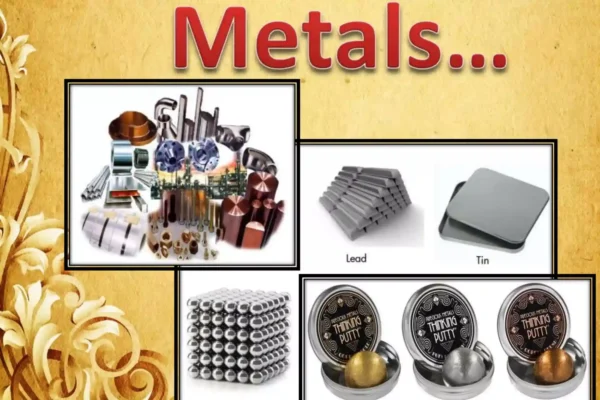
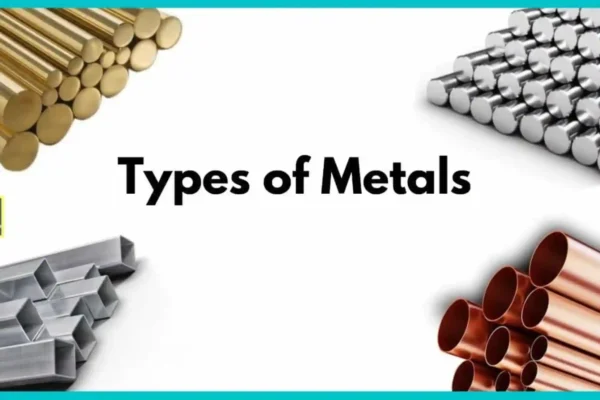
Metals are essential materials used in construction, manufacturing, and everyday products. Understanding the general properties of metals helps explain their strength, durability, conductivity, malleability, and lustrous appearance. These characteristics make metals valuable across various industries, from engineering and transportation to electronics and household applications.
Bronze is often compared with copper, brass, and steel. Each material has different characteristics.
Copper offers excellent electrical and thermal conductivity. However, bronze generally provides greater hardness and wear resistance.
Brass is another copper-based alloy, usually containing zinc. It is commonly used for plumbing fittings, decorative products, and musical instruments.
Steel provides excellent strength and is widely used in structural applications. However, ordinary carbon steel requires protection against corrosion.
Bronze is particularly valuable when corrosion resistance and low-friction performance are important.
Choosing the correct bronze grade is essential for achieving durability and efficiency. If you are researching property regulations, construction requirements, or legal matters involving materials and building projects in Dubai, consulting a qualified Lawyer in Dubai can help clarify relevant legal responsibilities. You can also explore professional guidance about Property & Rental Law for information concerning property-related legal matters.
Frequently Asked Questions
What are the main properties of bronze?
Bronze offers good strength, hardness, corrosion resistance, wear resistance, and thermal conductivity. Its exact properties depend on its alloy composition.
Is bronze stronger than copper?
Generally, bronze is harder and stronger than pure copper. However, the actual difference depends on the specific alloy and manufacturing process.
Does bronze rust?
Bronze does not develop ordinary iron rust. However, it can oxidise and develop a brown or green surface patina.
What are the common uses of bronze?
Bronze is used in bearings, gears, marine equipment, sculptures, musical instruments, valves, and architectural fittings.
Is bronze magnetic?
Most common bronze alloys are non-magnetic. However, magnetic behaviour can vary depending on composition and contamination.
What makes bronze resistant to corrosion?
Bronze develops a relatively protective surface layer when exposed to air and moisture. This layer helps reduce further corrosion under suitable conditions.
Conclusion
Understanding what are the properties of bronze helps explain its importance in modern manufacturing and traditional applications. Its strength, hardness, wear resistance, and corrosion protection make it a valuable engineering material.
From marine equipment to architectural decorations, bronze continues to provide reliable performance. Its different alloy types also allow manufacturers to meet specific technical requirements.