



Property & Rental Law
What Are the Properties of Bronze: Complete Guide with Examples
Introduction Bronze is one of the oldest and most useful metal alloys in human history. It has played an important...

Buying or selling real estate is one of the biggest financial milestones in anyone's life. Yet, beneath the excitement of finding a new home or closing a profitable deal lies a complex web of legal paperwork. This legal transfer process is known as conveyancing. Understanding What is property conveyancing: Quick & Accurate Methods can save you from costly delays, hidden property traps, and stressful legal disputes. Whether you are buying a sleek apartment or selling a sprawling commercial plot, mastering the mechanics of property transfer is essential for a smooth transaction.
At its core, conveyancing is the legal process of transferring property ownership from one party to another. The procedure begins the moment an offer is accepted and concludes on the official completion day. During this journey, a legal professional examines the property title, checks for local authority restrictions, and ensures all financial debts tied to the property are cleared. Without a proper conveyancing process, buyers risk inheriting unrecorded mortgages, zoning violations, or even fraudulent property titles.
Every property transaction moves through a series of structured phases designed to protect both the buyer and the seller. Knowing these steps helps you anticipate what comes next and keeps the transaction moving forward without unnecessary roadblocks.
The process starts when the seller's legal representative drafts the contract of sale. This document outlines the purchase price, settlement date, and any special conditions agreed upon by both parties. Once drafted, the buyer's lawyer reviews the contract to ensure fair terms and verifies that the seller holds legal ownership rights.
Conducting thorough searches is arguably the most critical step in safeguarding your investment. Lawyers look into local council records to uncover planned road expansions, zoning restrictions, or environmental hazards. If you are dealing with a rental property or complex regional regulations, consulting specialized guidance like Property & Rental Law helps clarify your legal standing and obligations.
Once both parties are satisfied with the contract and search results, the formal exchange takes place. The buyer pays a deposit, usually around ten percent of the purchase price, into an escrow or trust account. At this exact point, the transaction becomes legally binding, meaning neither party can walk away without facing severe financial penalties.
The final stage is settlement day, where the remaining balance is paid to the seller, and the title deeds are officially transferred. Keys are handed over, and the new owner is registered with the relevant government land department. For high-value or international property markets, partnering with an experienced Lawyer in Dubai ensures that cross-border regulations and local registration laws are met with absolute precision.
Delays are the number one enemy of real estate transactions. Waiting weeks for paperwork or missing a single signature can cause a deal to collapse. Implementing quick and accurate methods can drastically reduce your processing time.
Gone are the days of mailing paper documents back and forth across town. Modern conveyancing relies heavily on secure digital platforms for identity verification and electronic signatures. Digital ID checks cut verification time from weeks to mere minutes, significantly lowering the risk of document tampering or identity fraud.
Many delays happen because buyers wait until the last minute to request local council searches. A proactive method is to order all mandatory searches the moment your offer is verbally accepted. Getting ahead of environmental and title searches gives your legal team time to resolve issues before they stall the entire closing timeline.
Miscommunication between buyers, sellers, real estate agents, and lawyers causes countless real estate deals to fall apart. Establishing a centralized communication channel keeps every stakeholder updated in real time. Quick responses to document requests prevent bottlenecks and keep the momentum steady toward the final closing date.
Even with quick methods, mistakes can happen if you are not careful. Being aware of frequent errors keeps your property transaction secure from unexpected financial loss.
Some buyers fall in love with a property without checking restrictive covenants or easements buried in the title deed. These restrictions can dictate what you can build, remodel, or even plant on your own land. Always review title deeds meticulously with your legal counsel before releasing your deposit.
Conveyancing costs go beyond standard legal fees. Buyers often forget to account for transfer taxes, land registration charges, search fees, and local government levies. Creating a comprehensive financial buffer ensures you are never caught short during the final payment stage.
Finding reliable legal guidance is important when dealing with personal, business, or property-related matters. Professional lawyers can provide clear advice, explain your legal options, and help you make informed decisions. For trusted legal support and expert assistance, visit Top Lawyer UAE to explore available legal services.
Property conveyancing is the legal act of transferring the title and ownership of real estate from a seller to a buyer.
A standard conveyancing timeline ranges between four to eight weeks, depending on the complexity of the property and local bureaucracy.
While legal self-conveyancing is legally permitted in some regions, it is risky because any administrative error can invalidate the transfer.
Essential documents include the contract of sale, title deeds, mortgage discharge papers, identification proof, and local search certificates.
Mastering What is property conveyancing: Quick & Accurate Methods empowers you to navigate real estate transactions with confidence and complete peace of mind. By prioritizing digital verification, ordering early searches, and avoiding common title traps, you can close deals faster and safer. If you are currently navigating a complex real estate purchase or need professional guidance on local regulations, do not leave your investment to chance. Reach out to trusted legal experts today to streamline your property journey and secure your future.
Related Reading: Where can Foreigners Buy property in dubai: Quick & Accurate Methods
Related Reading: Can oci sell property in india: Quick & Accurate Methods — full guide
Related Reading: How to invest in rental property: Quick & Accurate Methods — full guide
Related Reading: Can a foreigner buy property in spain: Quick & Accurate Methods — full guide
The articles published on TopLawyer.ae are prepared for general educational and informational purposes only and do not constitute formal legal advice or the formation of an attorney-client relationship. UAE laws, judicial precedents, and regulatory procedures are subject to frequent legislative amendments. Readers should consult a licensed legal advocate or registered law firm regarding their specific circumstances prior to taking legal action.

Licensed advocates and legal consultants experienced in this practice area across the UAE.

Introduction Bronze is one of the oldest and most useful metal alloys in human history. It has played an important...

Introduction Metals are essential materials that shape modern life. From buildings and vehicles to electrical equipment and household products, they...
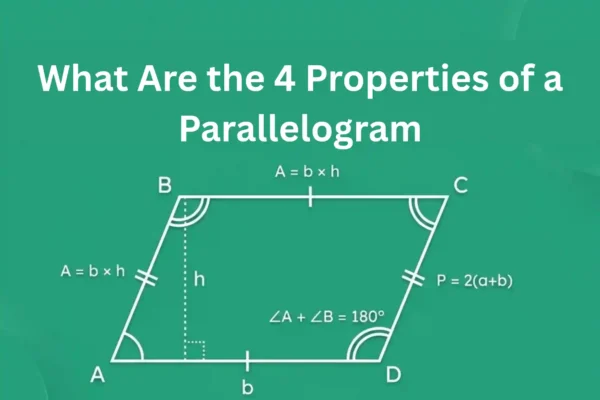
Introduction Understanding geometry becomes easier when you recognize patterns between shapes. One important quadrilateral is the parallelogram. It appears in...