


Property & Rental Law
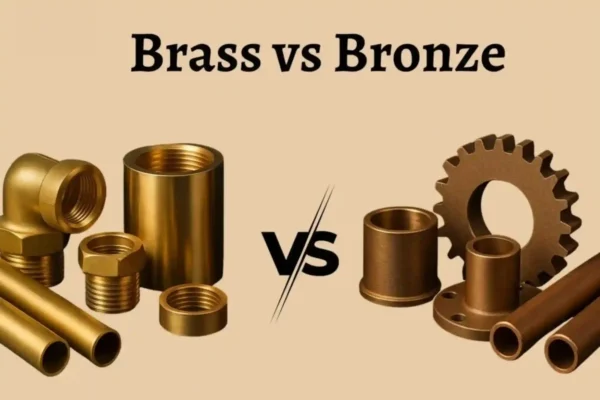
What Are the Properties of Bronze: Complete Guide with Examples
Introduction Bronze is one of the oldest and most useful metal alloys in human history. It has played an important...

Understanding what does chemical property mean is one of the first steps in learning chemistry. Every substance around us, from water and oxygen to metals and plastics, has unique characteristics that determine how it behaves. Some characteristics can be observed without changing the substance, while others become visible only when the substance undergoes a chemical reaction. These are known as chemical properties.
A strong understanding of chemical properties helps students, researchers, engineers, and professionals predict how materials will react under different conditions. Whether you are studying chemistry for school or simply curious about the science behind everyday materials, knowing what does chemical property mean provides a solid foundation for understanding chemical reactions, safety, manufacturing, and environmental science.
Interestingly, the concept of "property" also appears in legal fields. For example, legal professionals dealing with real estate matters often rely on experts such as Lawyer in Dubai to resolve ownership or contractual issues. Likewise, legal resources on Property & Rental Law help people understand property rights, although these legal properties differ completely from chemical properties discussed in chemistry.
The simplest answer to what does chemical property mean is that it describes a characteristic of a substance that can only be observed when the substance undergoes a chemical change.
Unlike physical properties such as colour, shape, or melting point, chemical properties cannot be identified by simply looking at a material. Instead, they become evident when a chemical reaction occurs that changes the substance into something entirely different.
For example, iron rusting is a chemical property because iron reacts with oxygen and moisture to form iron oxide. Similarly, wood burning demonstrates a chemical property because combustion changes wood into ash, gases, and heat.
Chemical properties explain how substances interact with:
Oxygen
Water
Acids
Bases
Heat
Other chemicals
These reactions create new substances with different chemical compositions.
Chemical properties influence nearly every aspect of science and industry. Manufacturers rely on them when selecting materials for buildings, vehicles, electronics, medicines, and food packaging.
Without understanding chemical properties, it would be impossible to:
Develop medicines safely
Produce corrosion-resistant metals
Manufacture plastics
Design batteries
Create fertilizers
Ensure laboratory safety
Scientists also use chemical properties to identify unknown substances during experiments.
Many students confuse physical properties with chemical properties.
Physical properties can be observed without changing the identity of the substance. Examples include density, colour, hardness, and boiling point.
Chemical properties only appear when a substance reacts chemically and forms new materials.
For example:
Ice melting into water is a physical change because the chemical composition remains H₂O.
Hydrogen burning in oxygen to produce water is a chemical change because entirely new chemical bonds are formed.
This distinction is essential when learning what does chemical property mean.
Flammability measures how easily a material catches fire when exposed to oxygen and heat.
Petrol, paper, and natural gas are highly flammable materials.
Some substances react readily with oxygen.
Iron rusts.
Magnesium burns with a bright white flame.
Copper develops a green protective layer over time.
Certain metals react violently with water.
Sodium reacts rapidly to produce hydrogen gas and sodium hydroxide.
Gold shows almost no reaction with water.
Acids react differently depending on the material.
Zinc reacts with hydrochloric acid to release hydrogen gas.
Gold generally resists most acids.
Some metals naturally resist corrosion.
Stainless steel contains chromium, which forms a protective oxide layer.
Aluminium also develops an oxide coating that protects it from further corrosion.
Chemical toxicity indicates whether a substance may harm living organisms.
Mercury and lead are highly toxic, while distilled water is non-toxic under normal conditions.
Oxidation describes how easily a substance loses electrons during reactions.
This property plays an important role in batteries, fuel cells, and industrial manufacturing.
Understanding what does chemical property mean also requires knowing how scientists study these properties.
Researchers carefully observe whether a reaction produces:
Gas bubbles
Heat
Light
Colour changes
New solids
These observations indicate chemical changes.
Controlled laboratory experiments provide accurate measurements of chemical behaviour.
Scientists carefully mix chemicals under safe conditions while monitoring temperature, pressure, and reaction products.
Combustion testing determines whether a material burns easily and how much energy it releases.
These tests are commonly used in fuel research.
Engineers expose metals to moisture, salt water, acids, or chemicals to measure corrosion resistance.
Automotive and construction industries rely heavily on these tests.
Laboratory experiments involving acids and bases help determine reactivity and identify unknown compounds.
Indicators and pH measurements provide additional information.
Many people search for a single chemical property formula. In reality, chemical properties are described through chemical equations rather than one universal formula.
A chemical reaction generally follows this structure:
Reactants → Products
For example:
2H₂ + O₂ → 2H₂O
This equation demonstrates hydrogen's chemical property of reacting with oxygen to produce water.
Another example:
4Fe + 3O₂ → 2Fe₂O₃
This equation explains iron's tendency to rust.
Chemical equations help scientists understand:
Reaction ratios
Energy changes
Reaction products
Chemical behaviour
Iron reacts with oxygen and moisture.
Result:
Iron oxide forms.
This reaction permanently changes the material.
Wood combines with oxygen during combustion.
Products include:
Carbon dioxide
Water vapour
Ash
Heat
Light
Silver reacts slowly with sulfur compounds in air.
The black coating is silver sulfide.
Bacteria produce acids that chemically alter milk proteins.
This chemical change cannot be reversed.
Heat changes protein molecules permanently.
The liquid egg becomes solid due to chemical reactions.
Yeast fermentation and baking create entirely new compounds responsible for bread's texture and flavour.
Chemical properties affect everyday life more than most people realize.
Cooking relies on chemical reactions.
Cleaning products dissolve stains through chemical activity.
Medicines interact chemically with the human body.
Batteries convert chemical energy into electricity.
Food preservation depends on preventing unwanted chemical reactions.
Fire extinguishers interrupt combustion reactions using chemical principles.
Even cosmetics are carefully formulated based on the chemical properties of their ingredients.
Industries spend millions of dollars studying chemical properties before manufacturing products.
The pharmaceutical industry evaluates drug stability.
Food manufacturers study oxidation to increase shelf life.
Construction companies choose corrosion-resistant materials.
Petroleum companies analyse fuel combustion.
Electronics manufacturers test battery chemistry.
Environmental agencies monitor hazardous chemical reactions that may affect ecosystems.
Several factors influence chemical behaviour.
Temperature often increases reaction speed.
Pressure changes reaction conditions, especially for gases.
Catalysts accelerate reactions without being consumed.
Concentration affects how frequently reacting particles collide.
Surface area influences reaction rates because smaller particles expose more reactive surfaces.
These factors help explain why the same substance behaves differently under different conditions.
Students often struggle to distinguish chemical properties from physical properties.
A simple rule is to ask:
Does the substance become something new?
If the answer is yes, the observation involves a chemical property.
Examples include:
If no new substance forms, the property is physical instead.
Many beginners believe that every visible change is chemical.
This is incorrect.
Melting ice, breaking glass, dissolving sugar, and cutting paper involve physical changes rather than chemical ones.
Another misconception is that chemical reactions always occur quickly.
Some reactions take seconds, while others—such as rust formation—may require months or years.
Understanding these differences makes learning what does chemical property mean much easier.
Learning what does chemical property mean opens the door to understanding chemistry, science, engineering, and everyday life. Chemical properties explain how substances react, transform, and interact with the world around them. From rusting metals and burning fuels to cooking food and manufacturing medicines, chemical properties shape countless processes we experience every day.
Looking for reliable legal guidance in the UAE? TopLawyer is a trusted platform that connects individuals and businesses with experienced legal professionals. Whether you need assistance with corporate law, family matters, property disputes, or legal consultation, the platform offers practical solutions tailored to your needs.
A chemical property describes how a substance behaves during a chemical reaction that produces one or more new substances.
A physical property can be observed without changing the substance, while a chemical property is only observed during a chemical reaction.
Common examples include flammability, corrosion resistance, oxidation, reactivity with acids, and toxicity.
Yes. Rusting is a chemical property because iron reacts with oxygen and moisture to form iron oxide.
The general representation is:
Reactants → Products
Specific reactions use balanced chemical equations.
Chemical properties help scientists predict reactions, manufacture safe products, improve industrial processes, and protect human health and the environment.
Related Reading: Unlocking the Potential of Reddit Image Hosting in the Middle East
Related Reading: What is Associative Property
Related Reading: Can i Buy Property in Australia: Methods, Formula & Examples
Related Reading: What Does Freehold Property Mean: Beginner to Advanced Guide — full guide
Related Reading: What are the Properties of Waves: Methods, Formula & Examples — full guide
The articles published on TopLawyer.ae are prepared for general educational and informational purposes only and do not constitute formal legal advice or the formation of an attorney-client relationship. UAE laws, judicial precedents, and regulatory procedures are subject to frequent legislative amendments. Readers should consult a licensed legal advocate or registered law firm regarding their specific circumstances prior to taking legal action.

Licensed advocates and legal consultants experienced in this practice area across the UAE.

Introduction Bronze is one of the oldest and most useful metal alloys in human history. It has played an important...
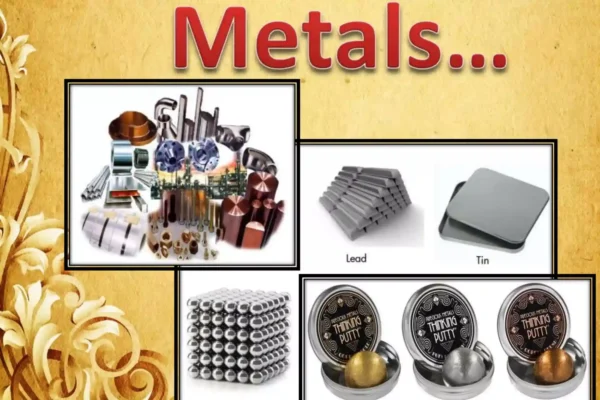
Introduction Metals are essential materials that shape modern life. From buildings and vehicles to electrical equipment and household products, they...
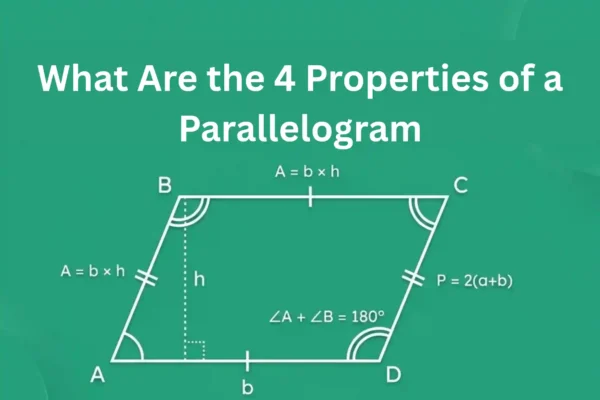
Introduction Understanding geometry becomes easier when you recognize patterns between shapes. One important quadrilateral is the parallelogram. It appears in...