



Property & Rental Law
What Are the Properties of Bronze: Complete Guide with Examples
Introduction Bronze is one of the oldest and most useful metal alloys in human history. It has played an important...
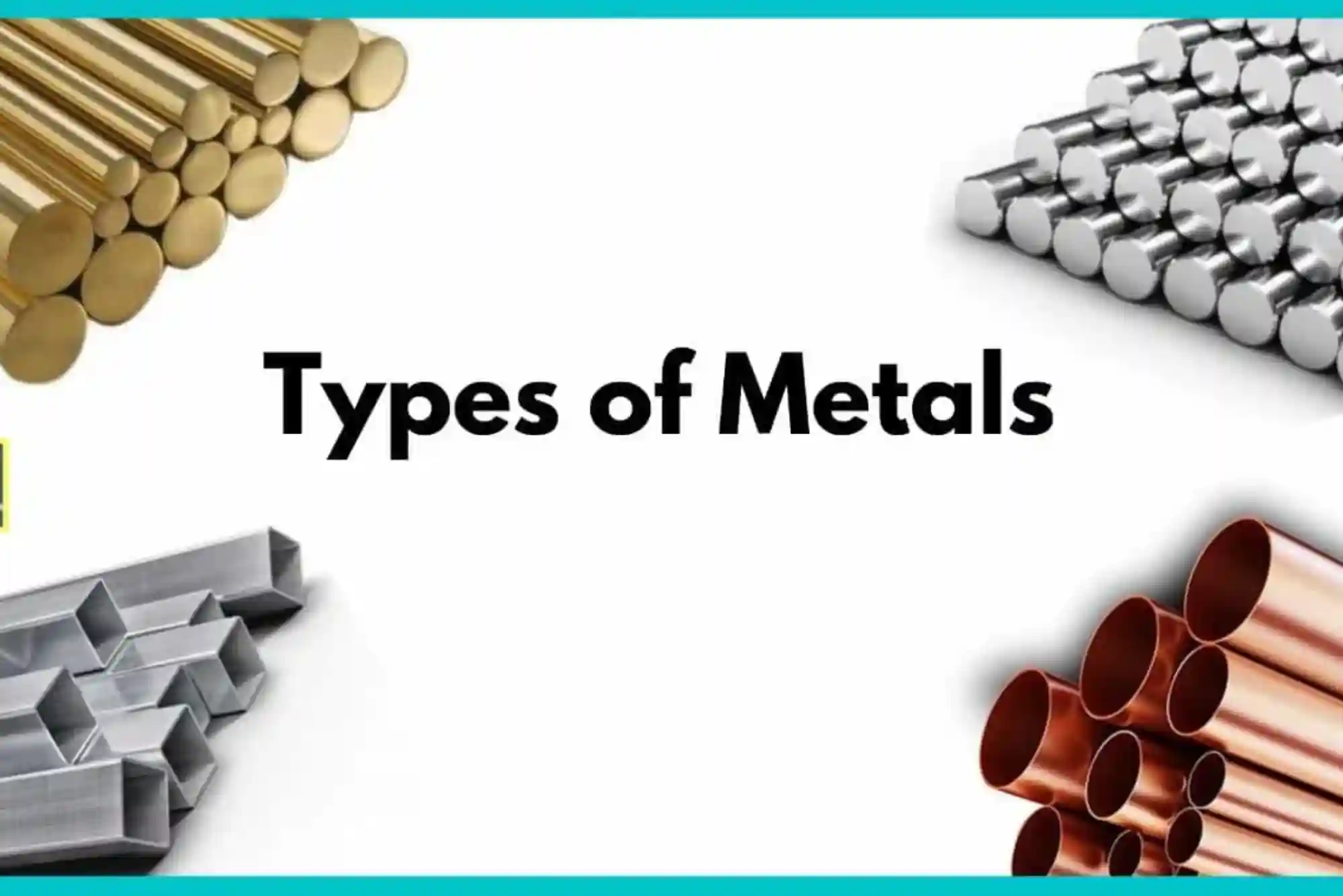
Metals are essential materials in modern life. They are used in buildings, vehicles, electrical equipment, machinery, and everyday household products. Their strength, durability, conductivity, and versatility make them valuable across many industries. However, not every metal has identical characteristics. Iron, copper, aluminium, gold, and silver each have different properties and applications.
Understanding what are all the properties of metals helps explain why manufacturers choose particular materials for specific purposes. Some metals conduct electricity efficiently, while others resist corrosion or withstand extreme temperatures. These differences influence their performance in construction, engineering, manufacturing, and technology.
This guide explores the physical, chemical, mechanical, and thermal properties of metals. It also explains how these characteristics affect everyday applications and industrial decisions.
Metals are generally chemical elements that readily lose electrons during chemical reactions. Most have a shiny appearance and conduct heat and electricity effectively. They are also commonly strong, malleable, and ductile.
However, certain exceptions exist. Mercury remains liquid at room temperature, while some metals are relatively soft. Therefore, understanding their individual characteristics is important.
The properties of metals are commonly divided into physical, chemical, mechanical, and thermal categories. Each category describes how a metal behaves under different conditions.
Physical properties describe characteristics that can be observed or measured without changing a material's chemical composition.
Most metals have a naturally shiny surface called metallic lustre. This appearance results from how free electrons interact with light. Gold, silver, aluminium, and copper display distinctive metallic finishes.
Manufacturers often use this characteristic in decorative products, jewellery, and architectural designs. Polishing can further improve their appearance.
Electrical conductivity is one of the most important properties of metals. It describes how efficiently a material allows electric current to pass through it.
Copper and silver are excellent electrical conductors. Aluminium also conducts electricity and offers a lighter alternative to copper.
Consequently, these metals are widely used in electrical wiring, power transmission systems, electronic components, and industrial equipment.
Most metals transfer heat efficiently. This characteristic makes them useful in cooking equipment, heating systems, radiators, and industrial machinery.
Copper and aluminium are particularly useful for heat exchangers. Their ability to transfer heat supports efficient temperature management.
Density describes how much mass exists within a particular volume. Different metals have considerably different densities.
Aluminium is lightweight, making it useful in aircraft and transportation. Lead has a much higher density and is used in specialised shielding applications.
Density influences transportation costs, structural weight, and material selection.
Most metals have relatively high melting and boiling points. This allows many of them to perform under demanding temperature conditions.
Tungsten has an exceptionally high melting point. It is therefore useful in specialised high-temperature applications.
However, mercury is an important exception because it remains liquid at ordinary room temperatures.
Most metals appear silver-grey or have a metallic grey finish. However, several metals display distinctive colours.
Copper has a reddish appearance, while gold has a characteristic yellow colour. These visual differences make certain metals popular in jewellery, decoration, and architecture.
Mechanical properties explain how metals respond to forces, pressure, stretching, and deformation. These characteristics are especially important in construction and engineering.
Strength describes a metal's ability to withstand applied forces without breaking or permanently deforming.
Steel is widely used in bridges, buildings, machinery, and vehicles because of its strength. Different steel grades provide different performance characteristics.
Hardness measures resistance to scratching, indentation, and surface deformation.
Hardened steel and certain metal alloys offer excellent hardness. These materials are commonly used in cutting tools, industrial equipment, and machinery components.
Malleability describes a metal's ability to change shape under compression without breaking.
Gold, aluminium, and copper demonstrate good malleability. They can be formed into sheets, plates, and different product shapes.
This property supports manufacturing processes such as rolling, stamping, and forging.
Ductility refers to a metal's ability to stretch into wires without breaking.
Copper is particularly ductile and is widely used in electrical cables. Aluminium also offers useful ductility for manufacturing applications.
Elasticity describes a material's ability to return to its original shape after an applied force is removed, provided its elastic limit is not exceeded.
This property is important in springs, suspension systems, and structural components. Different metals demonstrate different elastic behaviour.
Toughness measures a metal's ability to absorb energy before fracturing.
Tough metals can withstand sudden impacts and demanding operating conditions. Certain steel alloys are designed for applications requiring excellent toughness.
Brittleness describes a material's tendency to fracture without significant plastic deformation.
Although many metals are ductile, some metals and alloys become brittle under particular conditions. Temperature, composition, and manufacturing processes can influence brittleness.
Understanding this characteristic helps engineers avoid unexpected material failures.
Chemical properties explain how metals interact with other substances. These characteristics influence corrosion resistance, durability, and long-term performance.
Metals differ in how readily they participate in chemical reactions.
Sodium and potassium are highly reactive metals. They react vigorously with water and require careful storage.
Gold and platinum are comparatively unreactive. Their chemical stability makes them valuable for specialised industrial and decorative applications.
Corrosion occurs when metals deteriorate through chemical or electrochemical reactions with their surroundings.
Iron reacts with oxygen and moisture, producing rust. Aluminium behaves differently because it develops a protective oxide layer.
Stainless steel also provides improved corrosion resistance through its chromium content.
Many metals react with oxygen to form metal oxides.
Iron produces iron oxide, commonly known as rust. Aluminium forms aluminium oxide, which protects the underlying metal from further oxidation.
These reactions influence material selection in outdoor construction and industrial environments.
Certain metals react with acids and release hydrogen gas.
For example, zinc reacts with dilute hydrochloric acid. However, metals such as gold generally resist many common acids.
These differences are important in chemical manufacturing, laboratory applications, and industrial processing.
Metals can lose electrons and form positively charged ions. Their tendency to undergo oxidation determines their position in the electrochemical series.
This characteristic influences batteries, electroplating, corrosion, and metal extraction.
For example, zinc and copper play important roles in electrochemical cells.
Thermal properties describe how metals respond to temperature changes.
Most metals expand when heated and contract when cooled. This behaviour is known as thermal expansion.
Engineers consider expansion when designing railway tracks, bridges, pipelines, and industrial structures. Expansion joints help accommodate temperature-related movement.
Heat capacity describes the amount of energy required to increase a material's temperature.
Different metals require different amounts of energy for temperature changes. This affects their suitability for cooking equipment, engines, and heating systems.
Thermal stability describes how well a metal maintains its performance at elevated temperatures.
Certain alloys are designed for demanding environments, including turbines and industrial furnaces. Their composition helps maintain suitable mechanical properties under heat exposure.
Understanding the properties of metals helps engineers, manufacturers, architects, and designers select appropriate materials.
For example, construction projects require materials that provide strength, durability, and suitable corrosion resistance. Steel is commonly selected for structural frameworks because of its mechanical performance.
Electrical industries depend on copper and aluminium because of their conductivity. Meanwhile, aerospace manufacturers prioritise lightweight materials that maintain sufficient strength.
These considerations also matter in property development and building maintenance. Choosing suitable metal components can influence structural performance, safety, and long-term maintenance costs.
When construction or material-related disputes arise, professional guidance can be useful. A qualified Lawyer in Dubai can help explain relevant legal considerations surrounding construction agreements and property-related responsibilities.
Similarly, metal components used in buildings can affect maintenance obligations and rental property conditions. Understanding applicable Property & Rental Law can help property owners and tenants understand their respective responsibilities.
Iron is valued for its strength and availability. It is widely used in construction, machinery, and manufacturing. However, untreated iron can rust when exposed to moisture and oxygen.
Aluminium offers a combination of low density, corrosion resistance, and useful strength. It is popular in aircraft, vehicles, packaging, and building materials.
Copper provides excellent electrical and thermal conductivity. Its ductility also makes it suitable for electrical wiring and plumbing systems.
Gold is highly malleable and resists corrosion. These properties make it valuable in jewellery and specialised electronic components.
Silver has excellent electrical conductivity and attractive appearance. It is used in electronics, jewellery, and specialised industrial applications.
Zinc provides useful corrosion protection for steel. Galvanisation uses zinc coatings to reduce rust formation.
Metals support countless activities in modern society. Their different properties make them suitable for specific applications.
In construction, steel provides structural support for buildings and bridges. Aluminium appears in windows, doors, roofing, and architectural components.
In transportation, manufacturers use aluminium and steel to produce vehicles. Specialised metal alloys also support aircraft engines and other demanding components.
In electronics, copper carries electrical current through cables and circuit boards. Gold and silver appear in selected electrical contacts because of their useful conductivity and chemical characteristics.
Household products also depend on metals. Stainless steel appears in kitchen equipment, while aluminium is common in cookware and packaging.
These applications demonstrate why understanding the properties of metals remains important across different industries.
Understanding property taxes is essential for Texas homeowners and buyers. If you are wondering whether Texas charges property tax, learning how assessments, tax rates, exemptions, and payment deadlines work can help you plan your finances. This step-by-step guide explains everything you need to know about Texas property taxes.
Understanding what are all the properties of metals provides valuable knowledge about materials used in everyday life. Their physical, mechanical, chemical, and thermal characteristics determine their performance and suitability.
Properties such as strength, hardness, ductility, conductivity, density, and corrosion resistance influence how metals are selected for different applications. However, each metal behaves differently, making careful material selection essential.
The main properties include lustre, conductivity, malleability, ductility, strength, hardness, density, toughness, thermal expansion, and corrosion behaviour. However, these characteristics vary between individual metals.
Five common physical properties are lustre, density, electrical conductivity, thermal conductivity, and melting point. These characteristics help identify metals and determine their practical applications.
Seven widely recognised characteristics include metallic lustre, conductivity, malleability, ductility, strength, hardness, and generally high melting points. Not every metal displays these properties equally.
Four important chemical properties include reactivity, oxidation, corrosion behaviour, and reactions with acids. These characteristics explain how metals interact with their surrounding environments.
Metals contain mobile electrons that can move through their structures. These electrons transport electrical charge efficiently, making many metals excellent electrical conductors.
The articles published on TopLawyer.ae are prepared for general educational and informational purposes only and do not constitute formal legal advice or the formation of an attorney-client relationship. UAE laws, judicial precedents, and regulatory procedures are subject to frequent legislative amendments. Readers should consult a licensed legal advocate or registered law firm regarding their specific circumstances prior to taking legal action.

Licensed advocates and legal consultants experienced in this practice area across the UAE.

Introduction Bronze is one of the oldest and most useful metal alloys in human history. It has played an important...
Introduction Metals are essential materials that shape modern life. From buildings and vehicles to electrical equipment and household products, they...

Introduction Understanding geometry becomes easier when you recognize patterns between shapes. One important quadrilateral is the parallelogram. It appears in...