



Property & Rental Law
What Are the Properties of Bronze: Complete Guide with Examples
Introduction Bronze is one of the oldest and most useful metal alloys in human history. It has played an important...

Understanding How to buy property in UK: Explained with Real Examples is essential for anyone planning to purchase a home or investment property. Whether you are a first-time buyer, a foreign investor, or someone relocating within the UK, the buying process can seem overwhelming at first.
This comprehensive guide explains How to buy property in UK: Explained with Real Examples using practical situations. You'll learn about budgeting, mortgages, legal requirements, surveys, contracts, taxes, and completion, making the entire process much easier to understand.
Learning How to buy property in UK: Explained with Real Examples starts with understanding that purchasing a property is much more than choosing a beautiful house. It involves financial planning, legal checks, mortgage approval, and careful negotiations.
Every successful purchase follows several important steps. Missing one can delay or even cancel the transaction.
For example, imagine Sarah, a first-time buyer from Manchester. She found a £280,000 home online and immediately made an offer. However, she had not received a mortgage agreement in principle. Another buyer who already had financing secured purchased the property instead.
Your budget should include far more than the property's purchase price. Buyers often forget additional expenses, which can significantly increase total costs.
These expenses may include solicitor fees, mortgage arrangement charges, property surveys, valuation reports, moving costs, insurance, and taxes.
For example, James wanted to buy a £350,000 house. Initially, he only saved for the deposit. Later, he discovered he also needed thousands of pounds for legal costs and surveys. Fortunately, he adjusted his savings before completing the purchase. Having a realistic budget prevents financial surprises later.
Most UK buyers purchase property with a mortgage.
Lenders evaluate your income, employment, debts, savings, and credit history before approving a loan. Therefore, improving your credit score beforehand increases your borrowing potential.
Obtaining a Mortgage Agreement in Principle is highly recommended before house hunting. Sellers often prefer buyers who already have financing arranged because it reduces uncertainty. For example, Emily received mortgage approval before viewing homes. When she offered the asking price, the seller accepted immediately because they trusted she could complete the purchase quickly.
Once your finances are ready, begin searching for suitable properties. Consider more than appearance. Think about future resale value, schools, transport, local amenities, employment opportunities, crime rates, and planned developments. A cheaper house in an unsuitable location may become more expensive in the long term.
For instance, Daniel purchased a slightly more expensive apartment near a railway station. Five years later, improved transport links significantly increased the property's market value. Location often matters more than decoration.
After finding the right property, submit your offer through the estate agent. The seller may accept, reject, or negotiate.
Your offer should reflect current market conditions, comparable sales, and the property's condition.
Suppose a house requires a new roof costing £15,000. Buyers often negotiate a lower purchase price to account for those repairs. Negotiation is a normal part of buying property in the UK.
The solicitor manages the legal transfer of ownership and protects your interests throughout the transaction.
They investigate ownership records, review contracts, conduct local authority searches, check planning permissions, and identify any legal restrictions affecting the property.
If you are purchasing overseas property or need legal guidance beyond the UK, consulting a Lawyer in Dubai can also help with cross-border property matters and international legal questions:
Legal searches reveal important information about the property.
These searches identify planning applications, flood risks, drainage systems, environmental concerns, road schemes, and local authority restrictions.
For example, one buyer discovered through searches that a major road expansion was planned directly behind their future home.
Many buyers confuse mortgage valuations with property surveys.
A mortgage valuation only confirms whether the property is suitable security for the lender.
A professional survey examines the property's actual condition. Surveyors inspect roofs, foundations, walls, plumbing, damp, electrical systems, insulation, and structural issues.
Your solicitor reviews every part of the sales contract before exchange. This includes confirming ownership details, agreed fixtures, property boundaries, completion dates, and legal responsibilities.
Never assume everything included during viewings automatically becomes part of the sale.
Kitchen appliances, fitted wardrobes, garden sheds, and curtains may require written confirmation.
Clarifying everything before signing prevents disputes after moving in.
The exchange of contracts represents a significant milestone.
At this stage, both buyer and seller become legally committed to completing the sale.
The buyer usually pays a deposit.
If either party withdraws afterward without legal justification, financial penalties may apply.
This stage provides certainty for everyone involved.
Completion day is when ownership officially transfers.
Your solicitor sends the remaining purchase funds to the seller. Once payment arrives, ownership changes hands, and you receive the keys.
Congratulations—you officially become the property's legal owner. After completion, your solicitor registers your ownership with the Land Registry.
Buying property involves several additional financial responsibilities. Depending on your circumstances, you may need to pay Stamp Duty Land Tax.
Other ongoing expenses include home insurance, council tax, maintenance, utility bills, service charges, and ground rent for leasehold properties.
Planning for these costs ensures long-term financial stability.
International buyers can purchase UK property, although additional rules may apply.
Some lenders offer mortgages specifically designed for overseas investors.
Currency exchange rates, international transfers, tax obligations, and legal documentation should all be considered carefully.
Professional legal advice becomes particularly valuable for overseas purchases.
Those interested in international real estate regulations can also learn more through Property & Rental Law at , which explains many legal principles affecting property transactions.
Many buyers rush into purchasing because they fear missing out. However, patience often leads to better decisions. Another common mistake involves ignoring survey recommendations.
Some buyers also underestimate renovation expenses or overestimate mortgage affordability.
Others forget to compare mortgage products from different lenders. Careful planning dramatically reduces these risks.
Emma purchased her first flat in Birmingham for £240,000. She first obtained mortgage approval before viewing properties. After finding a suitable apartment, she hired an experienced solicitor and ordered a Level 2 Home Survey.
The survey identified minor damp issues.
Her solicitor negotiated a £4,000 price reduction with the seller. That discount covered the repair costs after completion. Emma successfully moved into her new home without unexpected financial surprises because she followed every recommended step.
David wanted to purchase a rental property in Liverpool.
Instead of focusing solely on appearance, he researched rental demand, employment growth, transport improvements, and local regeneration projects. Although another property looked more attractive, he chose the one with stronger rental potential.
Within two years, rental income increased, and the property's value appreciated significantly. His decision was based on research rather than emotion.
Buying property becomes easier when you remain organised throughout the process. Respond quickly to requests from your solicitor and mortgage lender.
Keep important financial documents readily available.
Avoid taking new loans before mortgage completion.
Stay in regular communication with your estate agent.
Most importantly, never skip professional surveys or legal searches.
Understanding How to buy property in UK: Explained with Real Examples allows buyers to approach the process with confidence instead of uncertainty. Every stage, from budgeting and mortgage approval to legal checks and completion, plays an essential role in protecting your investment.
The first step is setting a realistic budget and obtaining a Mortgage Agreement in Principle before searching for properties.
Yes. Overseas buyers can purchase UK property, although mortgage availability and tax rules may differ.
Most transactions take between 8 and 16 weeks, depending on legal checks, mortgage approval, and the property's chain.
Yes. A solicitor or licensed conveyancer handles the legal process, conducts searches, reviews contracts, and registers ownership.
Yes. A professional survey identifies structural issues and hidden defects that could cost thousands to repair later.
Besides the purchase price, buyers should budget for Stamp Duty (where applicable), solicitor fees, surveys, mortgage fees, insurance, and moving expenses.
Related Reading: Why invest in uk property: Explained with Real Examples
The articles published on TopLawyer.ae are prepared for general educational and informational purposes only and do not constitute formal legal advice or the formation of an attorney-client relationship. UAE laws, judicial precedents, and regulatory procedures are subject to frequent legislative amendments. Readers should consult a licensed legal advocate or registered law firm regarding their specific circumstances prior to taking legal action.

Licensed advocates and legal consultants experienced in this practice area across the UAE.

Introduction Bronze is one of the oldest and most useful metal alloys in human history. It has played an important...

Introduction Metals are essential materials that shape modern life. From buildings and vehicles to electrical equipment and household products, they...
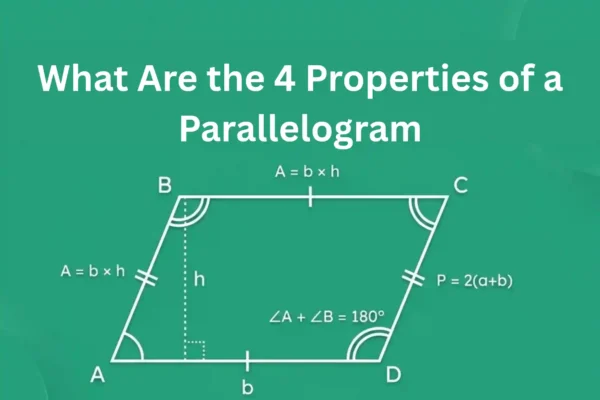
Introduction Understanding geometry becomes easier when you recognize patterns between shapes. One important quadrilateral is the parallelogram. It appears in...