



Property & Rental Law
What Are the Properties of Bronze: Complete Guide with Examples
Introduction Bronze is one of the oldest and most useful metal alloys in human history. It has played an important...

Many international investors and expatriates wonder, can foreigners buy property in Germany without becoming citizens or permanent residents. The good news is that Germany has one of the most open real estate markets in Europe. Unlike several countries that restrict foreign ownership, Germany generally allows non-residents and foreign nationals to purchase residential, commercial, and investment properties.
Whether you are planning to buy a family home, an apartment for rental income, or commercial real estate, understanding the legal process, costs, taxes, and financing options is essential. Knowing the correct steps can help you avoid unnecessary delays and expensive mistakes.
If you are also dealing with cross-border property matters or legal concerns in the Middle East, consulting a professional Lawyer in Dubai can help you understand international property transactions and legal documentation.
This guide explains can foreigners buy property in Germany, the legal formula involved, practical examples, and expert tips to help you make a confident investment decision.
The simple answer is yes.
Germany does not impose nationality-based restrictions on buying real estate. Whether you are from the United States, the United Kingdom, the UAE, Pakistan, India, Canada, Australia, or any other country, you can legally purchase property in Germany.
Foreign buyers have almost the same ownership rights as German citizens. This openness has made Germany one of Europe's most attractive destinations for international property investment.
However, purchasing property does not automatically grant residency, permanent residence, or German citizenship.
Understanding this distinction is very important before making any investment.
Germany has built a reputation for economic stability and transparent property laws.
Investors appreciate the country's reliable legal framework, strong rental demand, modern infrastructure, and relatively low market volatility compared to many other European countries.
Major cities continue attracting professionals, students, and international businesses, creating consistent demand for residential housing.
Many investors also prefer Germany because ownership rights are well protected under German law.
Although there is no mathematical formula, purchasing property follows a clear legal process that every buyer should understand.
The basic formula is:
Property Selection + Financial Planning + Legal Verification + Purchase Agreement + Notary Authentication + Registration = Legal Ownership
Every stage plays an essential role in protecting both the buyer and the seller.
Skipping proper legal verification may create unnecessary risks later.
Before making an offer, buyers should define their investment goals.
Some purchase apartments for long-term rental income, while others buy homes for personal use or retirement.
Popular property types include apartments, detached houses, commercial offices, retail units, and mixed-use developments.
Location significantly affects both purchase price and future appreciation.
Cities with strong employment opportunities generally maintain healthier property values.
Legal verification is one of the most important parts of buying German property.
A buyer should verify ownership records, outstanding debts attached to the property, land registration details, planning permissions, and any restrictions affecting future use.
Professional legal advice can reduce the possibility of unexpected complications after the purchase.
Those managing international real estate portfolios may also benefit from understanding broader Property & Rental Law principles when dealing with overseas investments.
Unlike many countries, Germany requires a notary to complete property transactions.
The notary acts as a neutral legal professional rather than representing either party.
Their responsibilities include preparing the purchase agreement, verifying the identities of both buyer and seller, explaining legal obligations, witnessing signatures, and ensuring compliance with German property law.
Only after notarization does the transaction become legally binding.
Ownership officially transfers after registration in the German Land Register.
This public register confirms legal ownership and protects buyers against future ownership disputes.
The registration process typically takes several weeks after signing the purchase agreement.
Once registration is complete, the buyer becomes the legal owner.
Yes.
Many German banks provide mortgages to foreign nationals.
However, approval depends on several factors.
Banks usually evaluate income stability, employment history, available savings, credit profile, existing financial obligations, and the property's value.
Foreign buyers often need a larger down payment compared to German residents.
Some lenders require between 20% and 40% of the purchase price as an initial contribution.
Each financial institution applies its own lending criteria.
Besides the purchase price, buyers should prepare for additional expenses.
Property transfer tax varies depending on the German federal state.
Notary fees and land registration charges also form part of the transaction costs.
If a real estate agent is involved, commission fees may also apply.
Legal consultation expenses are another worthwhile investment because they help protect the buyer throughout the process.
Overall, buyers often budget approximately 10% to 15% above the property's purchase price to cover associated costs.
Germany does not charge foreigners a special property purchase tax.
However, several taxes may apply depending on ownership and future use.
Property transfer tax is payable during acquisition.
Annual property tax applies after ownership.
Rental income is generally taxable if the property generates revenue.
Capital gains tax may also apply if the property is sold within specific holding periods under German tax regulations.
Professional tax advice is recommended for international investors with multiple assets.
Imagine an investor from the UAE purchasing an apartment in Berlin.
The buyer finds a suitable property through a licensed agent, obtains mortgage approval, signs the purchase agreement before a German notary, pays the required taxes and registration fees, and becomes the legal owner after registration.
The apartment is then rented to local tenants, generating monthly rental income.
This represents one of the most common foreign investment strategies in Germany.
Consider a family from Canada purchasing a vacation home in southern Germany.
Because there are no nationality restrictions, they complete the same legal process as German citizens.
Although they own the property, ownership alone does not provide residency rights.
The home serves exclusively as a private holiday residence.
An entrepreneur from Singapore purchases office space in Frankfurt for business expansion.
After legal verification, financing, notarization, and registration, the company legally owns the commercial property.
This demonstrates that foreign investors may purchase commercial as well as residential real estate.
One frequent mistake is assuming property ownership automatically grants a residence permit.
Germany treats immigration and property ownership as separate legal matters.
Another mistake involves underestimating additional purchasing costs.
Some buyers focus only on the property's advertised price without considering taxes, registration fees, financing charges, insurance, and maintenance expenses.
Failing to conduct thorough legal due diligence can also lead to unexpected ownership issues.
Finally, purchasing solely because of low prices without evaluating long-term market demand may reduce future investment returns.
Successful property investors spend considerable time researching local markets before making a purchase.
Understanding neighborhood development plans, rental demand, transportation projects, schools, and employment opportunities often leads to better investment decisions.
Obtaining mortgage pre-approval before searching for property strengthens your negotiating position.
Working with experienced legal professionals and tax advisers also reduces unnecessary risks.
Carefully reviewing every contract before signing remains one of the smartest decisions any buyer can make.
Finally, remember that buying property should fit within your long-term financial strategy rather than being based solely on short-term market trends.
This question is frequently misunderstood.
Buying property in Germany does not automatically provide residency, permanent residence, or citizenship.
Individuals wishing to live permanently in Germany must qualify through immigration pathways such as employment, business investment, education, or family reunification.
Real estate ownership and immigration are regulated independently.
Germany continues attracting investors because of its stable economy and transparent legal system.
Although property prices have experienced fluctuations in recent years, long-term demand remains supported by urbanization, strong employment markets, and limited housing supply in many major cities.
TopLawyer is a trusted online platform that helps individuals and businesses connect with experienced legal professionals across the UAE. Whether you need legal advice, business law support, family law guidance, or other legal services, the platform makes it easy to find reliable experts.
Yes. Foreign nationals can purchase property in Germany even if they do not have German residency or citizenship.
Yes. Germany generally allows both EU and non-EU citizens to buy residential and commercial real estate.
No. Purchasing property does not automatically grant residency, permanent residence, or German citizenship.
Yes. Many German banks offer mortgages to foreign buyers, although lending conditions and down payment requirements may differ.
Foreign buyers generally pay the same property transfer taxes and related fees as German citizens. Tax rates vary by federal state.
Germany is considered an attractive destination because of its stable economy, transparent legal system, strong rental demand, and long-term investment potential.
Most property purchases are completed within several weeks to a few months, depending on financing, legal checks, and land registration timelines.
Related Reading: How much is cgt on property uk: Formula, Examples & Tips
Related Reading: Can Oci Inherit Property in India: Formula, Examples & Tips
Related Reading: Can Foreigners Buy Property in Abu Dhabi: Formula, Examples & Tips
Related Reading: How to find owner of property by address: Formula, Examples & Tips
Related Reading: Can Foreigners Buy Property in USA
Related Reading: Can Foreigners Buy Property in Ras Al Khaimah
Related Reading: Can foreigners buy property in kazakhstan: Complete Guide with Examples
Related Reading: What is a Property Consultant: Formula, Examples & Tips
Related Reading: How to get floor plans of a property: Formula, Examples & Tips
Related Reading: What is Intellectual Property Rights: Formula, Examples & Tips — full guide
The articles published on TopLawyer.ae are prepared for general educational and informational purposes only and do not constitute formal legal advice or the formation of an attorney-client relationship. UAE laws, judicial precedents, and regulatory procedures are subject to frequent legislative amendments. Readers should consult a licensed legal advocate or registered law firm regarding their specific circumstances prior to taking legal action.

Licensed advocates and legal consultants experienced in this practice area across the UAE.

Introduction Bronze is one of the oldest and most useful metal alloys in human history. It has played an important...

Introduction Metals are essential materials that shape modern life. From buildings and vehicles to electrical equipment and household products, they...
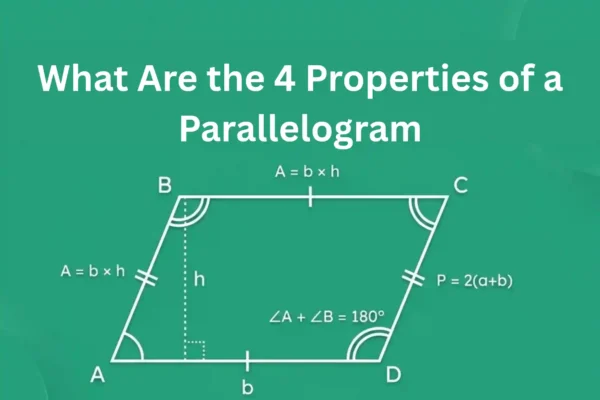
Introduction Understanding geometry becomes easier when you recognize patterns between shapes. One important quadrilateral is the parallelogram. It appears in...