Introduction
If you are researching what is a distressed property: Easy Methods Explained, the concept is easier than it first appears. A distressed property is generally a property whose owner faces financial, legal, or personal pressure to sell. Because of that pressure, the property may be offered below its typical market value.
Distressed properties can attract investors and buyers looking for opportunities. However, a lower asking price does not automatically mean a better investment. Such properties can involve unpaid loans, overdue taxes, structural problems, ownership disputes, or complicated transactions.
Understanding what is a distressed property: Easy Methods Explained can help buyers make more informed decisions. It also helps you recognise the difference between a genuine opportunity and a property carrying hidden risks.
When dealing with property matters, professional legal advice can be valuable. A qualified Lawyer in Dubai can help buyers understand contracts, ownership issues, disputes, and other legal concerns before completing a transaction.
What Is a Distressed Property?
So, what is a distressed property: Easy Methods Explained in simple terms? It is a property being sold because the owner is experiencing circumstances that create pressure to sell.
Financial difficulty is one of the most common reasons. For example, an owner may struggle to meet mortgage payments or other property-related expenses. The lender may then take steps to recover the outstanding amount.

However, financial pressure is not the only cause. An owner might need to sell quickly because of relocation, divorce, inheritance issues, business difficulties, or an unexpected financial emergency.
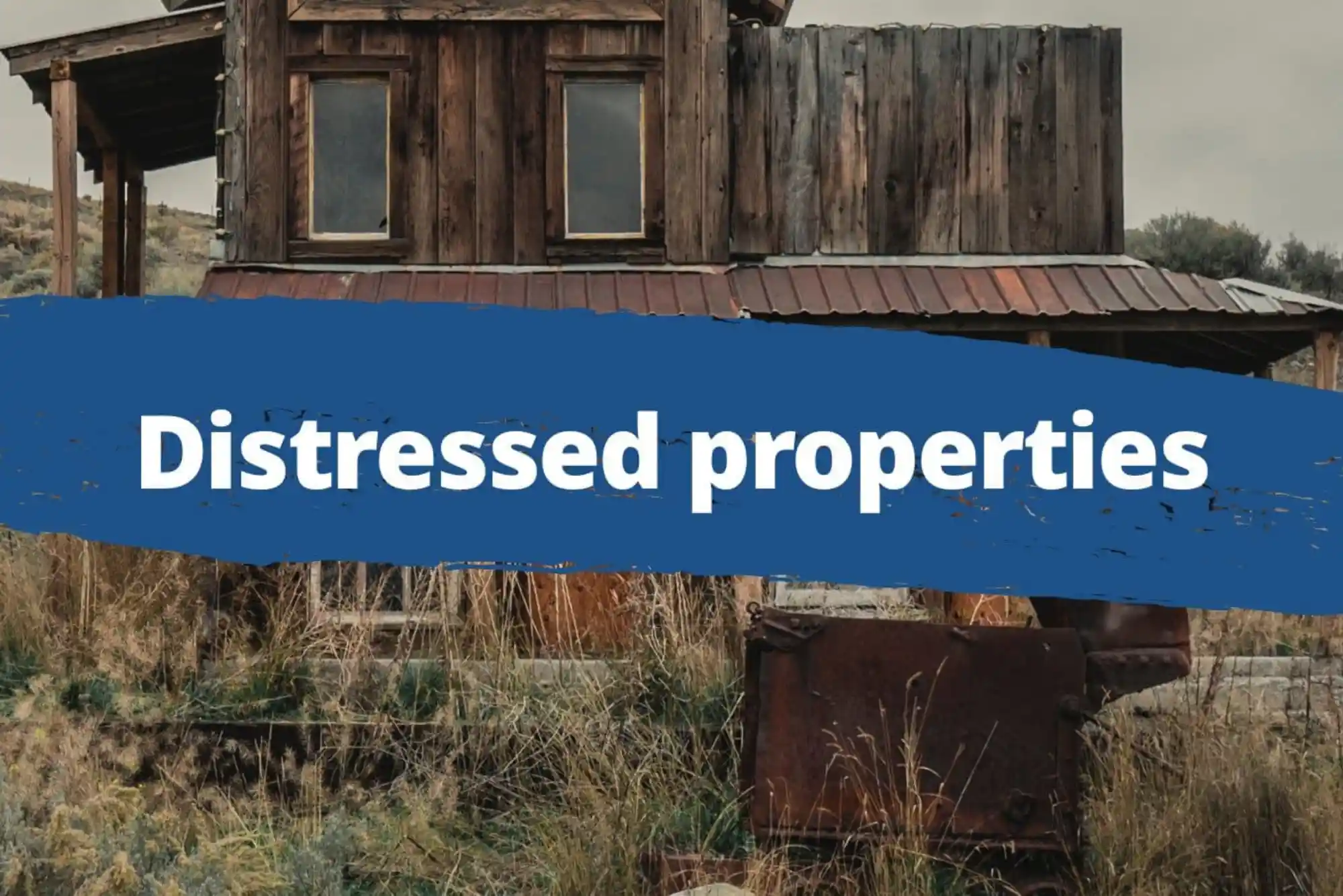
The property itself can also be distressed. It may require substantial repairs, have been neglected, or face legal or ownership complications.
Therefore, the term does not always mean that the building is physically damaged. It often describes the circumstances surrounding the sale.
Why Are Distressed Properties Often Cheaper?
Distressed properties may be priced below comparable properties because the seller prioritises speed and certainty.
A seller under financial pressure may not have enough time to wait for the highest possible offer. A lender selling a recovered property may also focus on recovering outstanding funds.
Properties requiring major repairs can have lower prices for another reason. The buyer may need to spend significant money after completing the purchase.
However, buyers should avoid assuming that every discounted property represents a bargain. A low purchase price can sometimes hide substantial expenses.
Repair costs, outstanding liabilities, legal complications, taxes, financing expenses, and transaction costs can quickly reduce the apparent discount.
Common Types of Distressed Properties
Understanding the different forms makes what is a distressed property: Easy Methods Explained much clearer.
Foreclosure or Repossessed Properties
A foreclosure-related property is associated with a borrower who has failed to meet required loan payments. Depending on local laws and the lending arrangement, the lender may eventually seek possession and sale of the property.
These transactions can have specific legal requirements. Buyers should investigate the property’s ownership and financial position before making an offer.
Properties With Serious Financial Pressure
Some owners choose to sell before a lender takes further action. The goal may be to settle debts and avoid more serious financial consequences.
Such transactions can sometimes provide opportunities for buyers. However, the seller’s circumstances should be properly understood.
Properties Requiring Major Repairs
A neglected home can become distressed because its condition affects its marketability. Water damage, structural concerns, outdated systems, or extensive maintenance can reduce its value.
Investors sometimes purchase these properties, renovate them, and sell or rent them later.
Inherited or Estate Properties
Inherited properties can sometimes become difficult to manage. Multiple beneficiaries may prefer to sell rather than maintain the property.
Ownership documentation and the rights of all relevant parties should be reviewed carefully.
Properties Involved in Legal Disputes
A property can also become distressed when ownership, inheritance, tenancy, financing, or contractual issues create complications.
These situations require additional caution. A discounted price is rarely enough reason to ignore unresolved legal problems.
How to Identify a Distressed Property
There are several practical signs that can help buyers recognise a potentially distressed property.
An unusually low asking price is one common indicator. However, price alone is not sufficient evidence.
A property that has remained vacant for an extended period may deserve closer investigation. Visible neglect can also suggest that the owner has limited resources or motivation to maintain it.
Urgent sale language may provide another clue. Phrases such as “quick sale” or “motivated seller” can indicate pressure, although they do not automatically mean the property is distressed.
Buyers should also investigate public records and available property documentation. Outstanding charges, ownership issues, mortgages, or disputes can materially affect a purchase.
Easy Methods for Buying a Distressed Property
Once you understand what is a distressed property: Easy Methods Explained, the next question is how buyers can approach one.
Research the Property Thoroughly
Start by investigating the property itself. Review its location, estimated market value, physical condition, ownership information, and transaction history where available.
Compare it with similar properties in the same area. This helps determine whether the discount is genuine.
Arrange a Professional Inspection
Never rely only on photographs or the seller’s description. A professional inspection can reveal problems that are difficult for an ordinary buyer to notice.
Look carefully at the structure, plumbing, electrical systems, roof, air conditioning, drainage, and other major components.
Calculate the Total Investment
The purchase price is only one part of the financial calculation.
Consider renovation costs, professional fees, financing expenses, taxes, insurance, maintenance, and other transaction-related costs.
A property that appears inexpensive may become expensive after these costs are included.
Investigate Legal Status
Legal due diligence is especially important when buying distressed property. Confirm who owns the property and whether other parties have rights or claims.
You should also investigate mortgages, liens, tenancy arrangements, disputes, restrictions, and other obligations where applicable.
For detailed guidance on property-related legal matters, resources covering Property & Rental Law can provide useful background.
Negotiate Based on Evidence
Distressed sellers may be motivated to complete transactions quickly. Nevertheless, buyers should base negotiations on evidence rather than emotion.
Use comparable property prices, inspection findings, renovation estimates, and legal information to establish a sensible offer.
Advantages of Buying Distressed Property
There can be several advantages to purchasing distressed real estate.
The most obvious benefit is the possibility of acquiring a property below its normal market price. This can create an opportunity for investors seeking capital growth.
Investors may also renovate distressed properties and increase their market value. A successful renovation can improve rental potential or resale prospects.
Another advantage is greater negotiating flexibility. A seller facing time pressure may be more willing to consider practical offers.
However, these benefits depend heavily on proper due diligence. A discount only creates value when the underlying risks remain manageable.
Risks You Should Understand
The risks are just as important as the potential benefits.
Unexpected repair costs are a major concern. Problems hidden behind walls, floors, or ceilings can become expensive after purchase.
Legal complications can create another significant risk. Ownership disputes or unresolved financial claims may delay a transaction or create additional costs.
There can also be financing challenges. Some lenders may impose different requirements when a property needs extensive repairs or has an unusual legal history.
Time is another factor. Renovations, approvals, documentation, and dispute resolution can take longer than expected.
For these reasons, buyers should avoid making decisions based solely on an attractive price.
Distressed Property vs. Normal Property
A normal property is generally marketed under ordinary selling circumstances. The owner usually has more flexibility regarding timing and price.
A distressed property is different because circumstances may create pressure for a faster transaction.
The difference can affect negotiation, due diligence, financing, and legal considerations.
Importantly, distressed does not automatically mean poor quality. A well-maintained property can become distressed because of the owner’s financial circumstances.
Likewise, a badly maintained property is not necessarily distressed. Its owner may simply be unwilling to sell below a preferred price.
Is a Distressed Property a Good Investment?
There is no universal answer. A distressed property can be an excellent opportunity when the discount adequately compensates for the risks.
Before purchasing, calculate the property’s likely total cost. Then compare that figure with its realistic market value after necessary improvements.
Investors should also consider their experience, available capital, timeline, and tolerance for uncertainty.
A first-time buyer may prefer a straightforward transaction. An experienced investor with renovation resources may be more comfortable handling complicated properties.
The key is not simply finding the cheapest property. The goal is finding a property where the potential return justifies the risks.
Legal Due Diligence Matters
Legal checks should never be treated as an optional step. Distressed transactions can involve complicated circumstances that are not obvious from an advertisement.
Buyers should establish whether the seller has the legal authority to sell. They should also determine whether third parties have financial or legal interests in the property.
Contracts should be reviewed carefully before signing. Important terms can affect payment obligations, completion dates, liabilities, and remedies if something goes wrong.
Professional legal support becomes particularly useful when ownership is complicated or disputes exist.
A property consultant helps buyers, sellers, and investors make informed real estate decisions. They provide market insights, property valuations, negotiation support, and guidance throughout the transaction. Understanding what a property consultant does can help you choose the right professional and avoid costly mistakes.
Frequently Asked Questions
What is a distressed property?
A distressed property is generally a property being sold under financial, legal, personal, or physical pressure. The circumstances may motivate the owner to accept a faster or lower-priced sale.
Are distressed properties cheaper?
They can be cheaper than comparable properties. However, the lower price may reflect repair costs, legal issues, financial obligations, or other risks.
How do you find distressed properties?
Buyers can discover them through property agents, auctions, lender-related sales, public records, property marketplaces, and direct communication with motivated sellers. Availability varies by location and market.
Is buying a distressed property risky?
Yes, it can involve additional risks. These may include structural problems, ownership complications, outstanding obligations, financing difficulties, and unexpected expenses.
Can you make money from distressed property?
Potentially, yes. Investors may profit by purchasing below market value, renovating the property, and selling or renting it. Profit is not guaranteed, however.
Should I use a lawyer when buying distressed property?
Professional legal advice can be particularly useful when ownership, financing, contracts, tenancy, or disputes are involved. A lawyer can help identify issues before you commit to the transaction.
Conclusion
Understanding what is a distressed property: Easy Methods Explained is important before pursuing discounted real estate. Distressed property can create opportunities, but the lower price often comes with additional uncertainty.
Related Reading: Can Foreigners Buy Property in France Easy Methods Explained — full guide
Related Reading: How to be a property agent: Easy Methods Explained — full guide
Related Reading: How do i become a property developer with no money: Easy Methods Explained
Related Reading: Are Property Taxes Tax Deductible: Easy Methods Explained — full guide
Related Reading: How to buy property in usa as a foreigner: Easy Methods Explained — full guide
Related Reading: How to negotiate property price: Easy Methods Explained