Introduction
A corporate credit card is a financial tool issued by banks and financial institutions to businesses for managing company-related expenses. Unlike personal credit cards, these cards are designed specifically for business spending, allowing organizations to track expenses, streamline accounting, and improve cash flow management.
Understanding what is a corporate credit card is essential for business owners, finance managers, and employees who regularly handle company purchases. Whether a business needs to pay for travel expenses, office supplies, software subscriptions, or client entertainment, a corporate credit card provides a structured and transparent payment solution.
In today’s competitive business environment, companies of all sizes use corporate credit cards to simplify expense reporting and maintain better financial control. This guide explains what a corporate credit card is, the different methods used, formulas for calculating key metrics, practical examples, benefits, and frequently asked questions.
What Is a Corporate Credit Card?
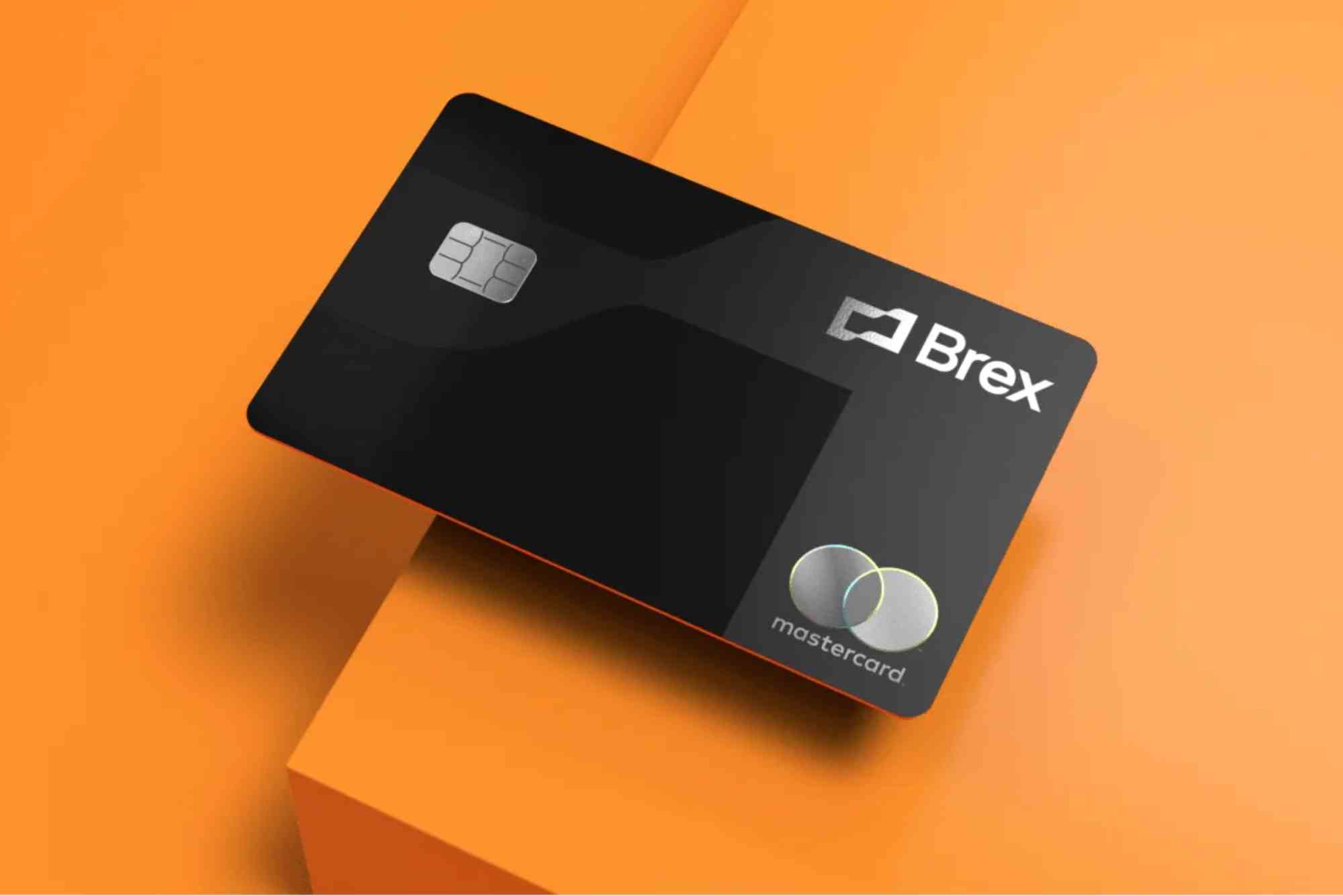
A corporate credit card is a payment card issued to a company and authorized employees for business-related transactions. The card is generally linked to the company’s financial accounts rather than an individual’s personal account.
When employees use the card for approved expenses, the company receives a consolidated statement showing all transactions. This helps organizations monitor spending patterns and maintain accurate financial records.
Large corporations, medium-sized businesses, and even growing startups often use corporate credit cards to improve operational efficiency. Many cards also offer rewards, cashback, travel benefits, and expense management tools.

How Does a Corporate Credit Card Work?
A corporate credit card operates similarly to a standard credit card but includes additional controls designed for business use.
The company applies for the card through a financial institution. After approval, authorized employees receive cards with predetermined spending limits. Employees can then make purchases for legitimate business purposes.
At the end of each billing cycle, the company receives a statement detailing all transactions. Depending on the card agreement, either the company or the employee may be responsible for payment.
This centralized system makes it easier to track expenditures and enforce spending policies.
Corporate Credit Card Methods
Businesses typically use different corporate credit card structures depending on their operational requirements.
Individual Liability Method
Under this method, employees are personally responsible for paying the credit card bill. The company reimburses approved business expenses after reviewing expense reports.
This approach is common among organizations that want employees to remain accountable for their spending.
Corporate Liability Method
In a corporate liability structure, the company is fully responsible for paying all charges incurred on the card. Employees use the card for authorized business purchases, while the finance department manages payments.
Many large organizations prefer this method because it simplifies administration and expense management.
Joint Liability Method
This model combines elements of both individual and corporate liability. The company and employee share responsibility for payments under agreed conditions.
Joint liability arrangements are often used when businesses want stronger spending oversight while maintaining employee accountability.
Key Features of a Corporate Credit Card
Corporate credit cards offer several features that distinguish them from personal credit cards.
One major advantage is spending control. Companies can establish limits for individual cardholders, restrict merchant categories, and monitor transactions in real time.
Another important feature is detailed reporting. Corporate cards generate comprehensive spending reports that simplify bookkeeping and auditing processes.
Many providers also offer rewards programs, travel insurance, fraud protection, and integration with accounting software.
Benefits of Using a Corporate Credit Card
Understanding what is a corporate credit card also involves recognizing its practical benefits.
Improved Expense Tracking
Corporate cards create a clear record of business spending. Every transaction is documented, making financial reporting more accurate.
Enhanced Cash Flow Management
Businesses can use the billing cycle to manage cash flow more effectively. Instead of paying expenses immediately, companies can settle balances at the end of the billing period.
Reduced Administrative Work
Manual reimbursement processes can be time-consuming. Corporate credit cards eliminate much of this workload by consolidating transactions into a single account.
Better Financial Transparency
Finance teams gain visibility into company spending, helping identify unnecessary expenses and opportunities for cost savings.
Employee Convenience
Employees no longer need to use personal funds for approved business expenses, reducing financial stress and reimbursement delays.
Corporate Credit Card Formula
Although there is no universal mathematical formula that defines what is a corporate credit card, businesses often calculate utilization rates and spending efficiency metrics.
Credit Utilization Formula
Credit Utilization Rate = (Total Outstanding Balance ÷ Total Credit Limit) × 100
For example, if a company has a corporate credit limit of $100,000 and an outstanding balance of $30,000:
Credit Utilization Rate = (30,000 ÷ 100,000) × 100
Credit Utilization Rate = 30%
A lower utilization rate generally reflects healthier credit management.
Expense Ratio Formula
Expense Ratio = (Department Spending ÷ Total Company Spending) × 100
This formula helps businesses understand how spending is distributed across departments.
Examples of Corporate Credit Card Usage
Practical examples help clarify what is a corporate credit card and how it functions in everyday business operations.
Business Travel
A sales manager travels to meet clients in another city. Flights, hotel accommodations, transportation, and meals are paid using the corporate credit card. All expenses appear on the monthly statement, simplifying reimbursement and accounting.
Software Subscriptions
A marketing department uses a corporate credit card to pay for monthly software subscriptions such as design tools, CRM platforms, and advertising services. Recurring payments are automatically tracked.
Office Purchases
An office administrator purchases computers, printers, and office supplies using the company’s corporate card. Finance managers can review purchases instantly through the card management system.
Client Entertainment
A business development executive hosts a client dinner and pays using the corporate credit card. The transaction is categorized under client relations expenses for accurate reporting.
Who Should Use a Corporate Credit Card?
Corporate credit cards are suitable for organizations that regularly incur operational expenses.
Companies with traveling employees often benefit significantly because travel-related expenditures can be monitored more effectively.
Businesses with multiple departments also gain value from centralized expense management. Separate cards can be issued to department heads while maintaining overall financial oversight.
Organizations seeking stronger internal controls and more accurate bookkeeping frequently adopt corporate credit card programs as part of their financial management strategy.
For businesses facing legal, contractual, or compliance concerns related to financial operations, consulting a Lawyer in Abu Dhabi can help ensure that internal financial policies align with applicable regulations.
Potential Drawbacks of Corporate Credit Cards
While corporate credit cards offer many advantages, businesses should also understand potential risks.
Overspending can occur if spending limits and approval procedures are not properly enforced.
Unauthorized transactions may create financial losses if monitoring systems are weak.
Additionally, carrying large balances over extended periods can result in interest charges that increase operating costs.
Businesses should implement clear usage policies and regularly review card activity to minimize these risks.
Best Practices for Managing Corporate Credit Cards
Successful corporate credit card programs rely on proper management and oversight.
Organizations should establish written spending policies that clearly define acceptable purchases.
Regular transaction reviews help identify unusual activity before it becomes a larger issue.
Automated expense management software can further improve visibility and reporting accuracy.
Employee training is equally important. Staff members should understand company policies and documentation requirements before receiving a card.
Companies interested in broader legal and commercial guidance can explore resources related to Business & Corporate matters to strengthen governance and financial compliance practices.
How Corporate Credit Cards Impact Business Credit
Corporate credit cards can help establish and strengthen a company’s credit profile when managed responsibly.
Understanding what is a corporate credit card is important for any organization seeking better financial control and operational efficiency. These cards provide a structured way to manage business expenses, improve transparency, simplify accounting, and support cash flow management.
Whether a company chooses individual liability, corporate liability, or joint liability methods, the key to success lies in establishing clear policies and monitoring spending effectively. When used responsibly, corporate credit cards can become a valuable financial tool that supports growth, accountability, and long-term business success.
When it comes to legal matters, having the right guidance can make all the difference. Whether you need support for business law, family disputes, corporate regulations, or legal consultations in the UAE, Top Lawyer offers trusted and professional legal solutions. Their experienced team is committed to providing reliable advice and effective representation tailored to your needs. Visit Top Lawyer UAE to learn more about their legal services and expertise.
FAQs
What is a corporate credit card used for?
A corporate credit card is used to pay for authorized business expenses such as travel, office supplies, software subscriptions, client meetings, and operational costs.
What is the difference between a corporate credit card and a business credit card?
A corporate credit card is generally designed for larger organizations and may not require a personal guarantee, while a business credit card is often intended for small businesses and may require the owner’s personal liability.
Who pays a corporate credit card bill?
Depending on the card structure, the company, the employee, or both parties may be responsible for paying the bill.
Can employees use a corporate credit card for personal expenses?
No. Corporate credit cards should only be used for approved business-related purchases according to company policy.
Do corporate credit cards affect personal credit scores?
In many cases, corporate credit cards primarily impact the company’s credit profile. However, some card arrangements may involve employee liability and could affect personal credit.
What are the benefits of a corporate credit card?
Benefits include expense tracking, cash flow management, reduced administrative work, employee convenience, financial transparency, and potential rewards programs.
How do companies control corporate credit card spending?
Businesses control spending through transaction monitoring, spending limits, merchant restrictions, approval processes, and regular audits.
Can small businesses get a corporate credit card?
Some providers offer corporate-style credit card solutions for growing businesses, though traditional corporate cards are usually intended for larger organizations with established financial histories.