



Property & Rental Law
Is There Property Tax in Texas? Step-by-Step Guide
Introduction Is there property tax in Texas? Yes, Texas has a property tax system that helps fund essential public services....
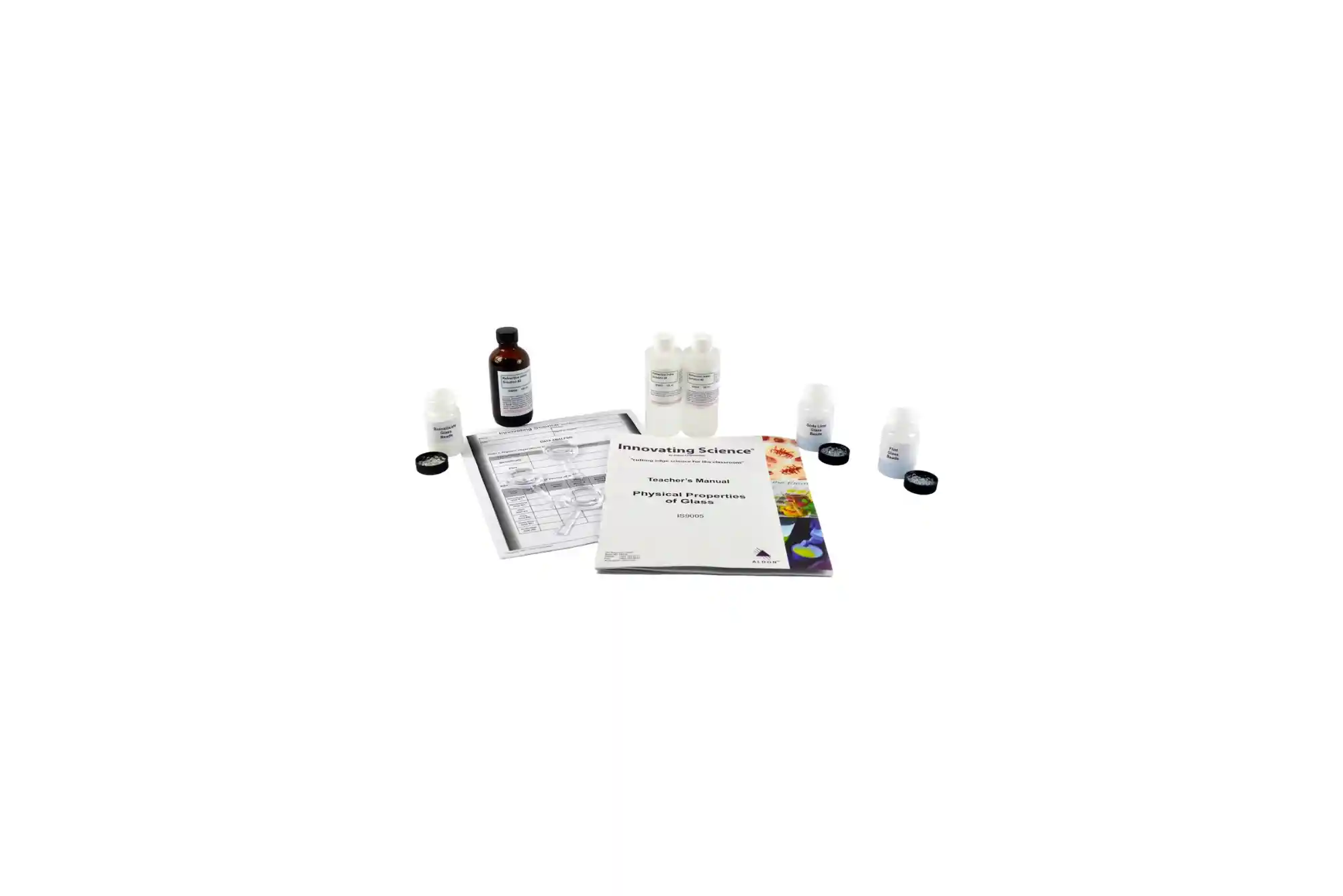
When you look through a clean window, hold a drinking cup, or touch a smartphone screen, you interact with one of the most versatile materials on Earth. Glass surrounds us every single day, yet few people truly understand how its internal structure gives it such unique characteristics. Knowing what are the physical properties of glass: easy methods explained simply can help you choose the right material for home construction, decorative art, industrial projects, or daily household use.
Glass is a unique solid material created by melting silica sand at extremely high temperatures and cooling it rapidly. Because it cools so fast, its atoms do not form a rigid crystalline lattice like typical metals or stones. Instead, it forms an amorphous structure that behaves like a frozen liquid. This special atomic arrangement gives glass its signature clarity, strength, and chemical resistance. In this comprehensive guide, we will break down the essential physical characteristics of glass and explain simple hands-on testing methods you can perform at home or in a basic laboratory setup.
Optical clarity is easily the most noticeable physical property of glass. Glass allows light waves to pass directly through its structure without scattering them wildly. This property, known as high light transmittance, is why glass is the preferred choice for windows, lenses, solar panels, and optical instruments. Most standard architectural glass lets through over 80 to 90 percent of visible light.
You can easily evaluate optical transparency through a direct visual test. Hold a sheet or object made of glass up to a clear light source, such as a daylight lamp or open window. Place a printed piece of paper with fine text directly behind the glass sample. If you can read every single word clearly without blurriness, distortion, or color tinting, the material demonstrates high optical purity and low light absorption.
Density measures how much mass is tightly packed into a specific volume of material. Standard soda-lime glass has a density ranging from 2.5 to 2.6 grams per cubic centimeter. This density gives glass a solid, satisfying weight compared to lightweight plastics while remaining lighter than dense metals like iron or bronze.
To measure glass density at home or in a laboratory, you can use the liquid displacement method based on Archimedes' principle. First, place your dry glass sample on a digital scale to record its mass in grams. Next, fill a graduated cylinder with a precise volume of clean water and drop the glass sample inside. Divide the mass by the changed volume to determine the exact density. This simple method clearly shows how dense and solid the glass structure is.
Hardness refers to a material's capacity to resist surface scratching, friction, and localized indentation. On the Mohs scale of mineral hardness, standard glass rates between 5.5 and 6.5. This rating means glass is significantly harder than copper, aluminum, silver, and gold, but softer than hardened steel, quartz, and diamonds.
You can evaluate hardness using a simple scratch resistance test. Take your glass sample and attempt to scratch its surface using a copper penny, an iron nail, and a hardened steel file in sequence. A copper penny will not leave a permanent mark on real glass because copper is softer than glass. However, a hardened steel tool or a piece of quartz will easily leave a distinct scratch on the surface.
Glass is a powerful electrical insulator because its tightly bonded atoms do not allow electrons to flow freely. Under normal operating temperatures, glass blocks electrical currents completely. Because of this non-conductive nature, high-voltage power distribution lines and electrical appliances historically relied heavily on glass components for safety.
You can test electrical non-conductivity using a simple closed low-voltage circuit. Connect a small battery to a light bulb using two copper wires, leaving a small open gap in the circuit. Place a clean piece of dry glass inside the gap so the wire ends touch opposite sides of the glass. The light bulb will remain dark, proving that electrical current cannot pass through the glass material.
Thermal properties describe how glass reacts when exposed to heat sources and sudden temperature fluctuations. Glass has a relatively low thermal conductivity compared to metals like copper or aluminum. It does not transfer heat rapidly, which makes thick glass units effective for building insulation.
However, glass undergoes thermal expansion when heated and contracts when cooled down. Standard soda-lime glass expands rapidly when exposed to hot water or direct flame. If one part of a glass container expands faster than the cold section next to it, internal mechanical stress builds up until the material fractures. Borosilicate glass contains boron trioxide, which dramatically reduces thermal expansion and avoids this damage.
Many people assume glass is weak because it shatters easily when dropped, but glass actually possesses remarkable compressive strength. A solid block of glass can withstand immense pressure pushing down on it without crushing or collapsing. Its fragility comes from low tensile strength and brittle behavior, meaning it cannot stretch or bend significantly before breaking.
Engineers improve mechanical performance by manufacturing tempered glass. During tempering, glass is heated and then cooled rapidly with air blasts to create compressive stress on the outer surfaces. If you want to protect valuable assets or properties, consulting a professional Lawyer in Dubai can help safeguard your investments, much like tempering protects glass structures from mechanical failure.
Glass is exceptionally stable and chemically inert. It does not react with oxygen, water, organic solvents, or most concentrated acids. Unlike metal, glass will never rust, corrode, oxidize, or degrade when exposed to harsh outdoor weather conditions or moisture over long periods.
You can test chemical durability by exposing glass samples to aggressive household chemicals over extended timeframes. Place separate glass pieces into sealed containers containing vinegar, ammonia, and bleach. Knowing your rights regarding real estate and physical structural compliance is essential; checking specialized legal resources like Property & Rental Law can provide clarity on local building safety standards.
Glass plays a key role in controlling noise transmission within residential and commercial buildings. Sound travels through air as pressure waves that strike surfaces and cause them to vibrate. Because glass is dense and rigid, it reflects a large portion of acoustic energy rather than allowing sound to pass straight through.
Finding reliable legal guidance is essential when dealing with property disputes, business matters, or personal legal concerns. TopLawyer.ae helps readers explore useful legal information and understand their options when seeking professional assistance in the UAE. Visit toplawyer.ae to discover helpful resources for making informed legal decisions.
The main physical properties of glass include high optical transparency, density around 2.5 grams per cubic centimeter, Mohs hardness between 5.5 and 6.5, electrical non-conductivity, high chemical resistance, low thermal conductivity, and brittle tensile strength.
Glass cracks due to thermal shock caused by rapid temperature changes. Standard glass expands quickly when heated, creating unequal expansion and internal mechanical stress that causes the brittle material to fracture.
Understanding what are the physical properties of glass: easy methods explained gives you valuable insight into one of humanity's most essential manufactured materials. From its crystal-clear optical transparency and high surface hardness to its robust electrical insulation and chemical durability, glass possesses an extraordinary combination of physical traits.
The articles published on TopLawyer.ae are prepared for general educational and informational purposes only and do not constitute formal legal advice or the formation of an attorney-client relationship. UAE laws, judicial precedents, and regulatory procedures are subject to frequent legislative amendments. Readers should consult a licensed legal advocate or registered law firm regarding their specific circumstances prior to taking legal action.

Licensed advocates and legal consultants experienced in this practice area across the UAE.

Introduction Is there property tax in Texas? Yes, Texas has a property tax system that helps fund essential public services....

Introduction Buying property abroad can be an exciting investment, especially when comparing Spain and Portugal. Both countries offer beautiful coastlines,...

<h1 class="w6asjq_TextBase GgxHUa_Title PDq2pG_selectionAnchorContainer" data-d-text-flow="" data-d-component="title" Can Expats Buy Property in Dubai? A Simple Guide Yes, expats can buy property...
