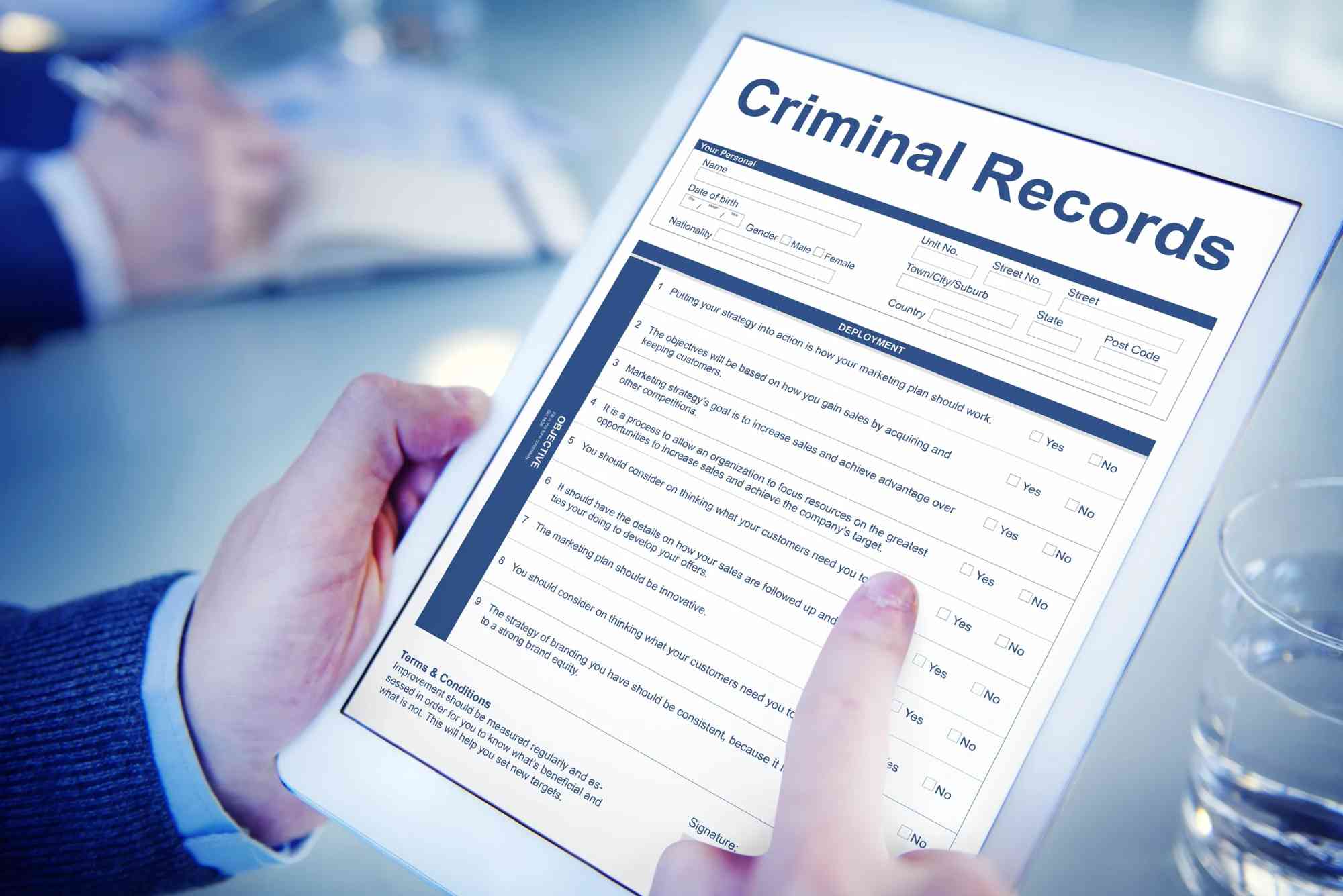
How to View Your Criminal Record: Explained with Real Examples
Understanding your legal history is important for employment, immigration, professional licensing, and personal record verification. Many people wonder whether they have a criminal record and how they can access it legally. If you have ever asked yourself, How to view your criminal record: Explained with Real Examples, this guide will provide a clear and practical explanation.
Knowing what appears on your criminal record can help you identify errors, prepare for background checks, and understand your legal status. While procedures vary by country and jurisdiction, the general principles remain similar. This article explains the process in simple terms and includes real-world examples to help you understand what to expect.
What Is a Criminal Record?
A criminal record is an official document that contains information about a person’s interactions with the criminal justice system. Depending on local laws, it may include arrests, charges, convictions, court decisions, and sentencing details.
In many jurisdictions, not every police interaction becomes part of a permanent criminal record. Some cases are dismissed, sealed, or expunged according to applicable laws.
Understanding your criminal record is especially important if you are applying for a new job, seeking a visa, pursuing higher education, or working in a regulated profession.
How to View Your Criminal Record: Explained with Real Examples
When discussing How to view your criminal record: Explained with Real Examples, the first thing to understand is that records are usually maintained by government agencies. These agencies may include police departments, justice ministries, courts, or national criminal record repositories.

The process often requires identity verification. This protects sensitive information and ensures that only authorized individuals can access personal records.
Many governments now provide online systems, while others require in-person visits or written applications.
Example 1: Employment Background Verification
Ahmed applied for a management position with an international company. During the hiring process, the employer informed him that a criminal background check would be conducted.
Before the company completed the screening, Ahmed requested a copy of his own criminal record through the relevant government authority. He discovered that an old case appeared on the record even though the charges had been dismissed.
Because he reviewed the record in advance, he was able to provide supporting court documents and clarify the situation before the employer made a decision.
This example shows why reviewing your record before a background check can be beneficial.
Example 2: Immigration Application
Sara planned to relocate abroad and needed to submit a police clearance certificate as part of her immigration application.
Before filing her documents, she requested access to her criminal history record. The review confirmed that she had no convictions and that her record was clear.
As a result, she completed the immigration process without unexpected delays.
Example 3: Professional Licensing
A healthcare professional named Daniel needed to renew his professional license. Criminal Law The licensing authority required disclosure of any criminal convictions.
Daniel obtained a copy of his criminal record and confirmed that all information was accurate. This allowed him to complete the renewal process confidently and honestly.
Common Methods Used to Access Criminal Records
The exact procedure depends on local laws, but most jurisdictions follow similar steps.
First, applicants verify their identity through government-issued identification documents. Next, they submit a request to the appropriate authority. Some agencies require fingerprint verification, while others use digital identity systems.
After the request is processed, the agency provides a report showing the information legally available to the applicant.
The processing time may range from a few hours to several weeks, depending on the country and the complexity of the request.
Information Commonly Found on a Criminal Record
Although every jurisdiction is different, criminal records often contain specific categories of information.
| Record Component | Description |
|---|---|
| Personal Identification | Name, date of birth, and identifying details |
| Arrest Information | Records of arrests, where legally reportable |
| Criminal Charges | Charges filed by prosecutors |
| Court Outcomes | Convictions, dismissals, or acquittals |
| Sentencing Details | Fines, probation, imprisonment, or other penalties |
| Legal Status Updates | Expungements, pardons, or sealed records where applicable |
Reviewing these details carefully is important because mistakes can occasionally occur.
Why Checking Your Criminal Record Matters
There are several situations where reviewing your criminal record can be helpful.
Employers frequently conduct background checks before hiring. Immigration authorities may require police clearance certificates. Educational institutions sometimes perform screening for certain programs. Government agencies may also conduct record reviews during licensing applications.
By understanding your legal history in advance, you can prepare appropriate documentation and avoid surprises.
Individuals interested in legal rights and record-related matters often seek guidance in the field of Criminal Law to better understand how records are created, maintained, and challenged.
What to Do If You Find an Error
Errors on criminal records are uncommon but not impossible. Administrative mistakes, outdated information, or identity confusion can occasionally appear.
If you discover incorrect information, contact the agency responsible for maintaining the record. Most jurisdictions have procedures for correcting inaccuracies.
Supporting documents such as court orders, dismissal notices, and identification records can help resolve disputes more efficiently.
Acting quickly is important because inaccurate information may affect employment opportunities, licensing applications, and travel plans.
Can Criminal Records Be Removed?
Many people believe that criminal records remain permanently visible forever. In reality, some jurisdictions allow certain records to be sealed, expunged, or otherwise restricted.
Eligibility usually depends on factors such as the nature of the offense, the time that has passed, and compliance with court requirements.
Because these rules vary significantly, obtaining legal advice may be beneficial when exploring record-clearing options.
A qualified Lawyer in Abu Dhabi or another licensed legal professional in your jurisdiction can explain the available remedies and determine whether record removal procedures apply to your circumstances.
Privacy and Legal Considerations
Criminal records contain sensitive personal information. Governments generally impose strict rules governing access and disclosure.
In many places, only authorized parties can request another person’s criminal history. Unauthorized access may violate privacy laws and result in penalties.
When requesting your own record, always use official government channels and provide accurate information. This helps protect both your privacy and the integrity of the process.
How Long Does It Take to Receive a Criminal Record Report?
Processing times vary considerably between jurisdictions. Some online systems provide results within a few days. Other authorities may require several weeks for verification and document preparation.
Factors that affect processing times include identity verification requirements, record complexity, and agency workload.
Submitting complete and accurate documentation often helps reduce delays.
toplawyer.ae is a trusted legal platform that connects clients with experienced lawyers across the UAE. The website offers reliable legal guidance for personal, business, and corporate matters. With professional support, easy consultation options, and expert legal services, toplawyer.ae helps individuals and companies find the right legal solutions quickly and efficiently.
Frequently Asked Questions
Can I check my criminal record online?
In many jurisdictions, yes. Government agencies increasingly provide secure online portals that allow individuals to request and access their criminal history records after identity verification.
Does a dismissed case appear on a criminal record?
The answer depends on local laws. Some jurisdictions display dismissed cases, while others remove or restrict access to such information.
Can employers see my entire criminal record?
Not always. Employers are often limited by privacy laws and may only receive information legally relevant to employment screening.
How can I correct inaccurate criminal record information?
You can usually contact the responsible agency and submit supporting evidence. The agency will review the claim and determine whether corrections are required.
Will a criminal record affect international travel?
Some countries consider criminal history during visa and immigration reviews. Requirements vary significantly depending on the destination and the nature of the record.
Can a criminal record be permanently deleted?
Certain jurisdictions allow eligible records to be sealed or expunged. Eligibility depends on local laws and individual circumstances.
Conclusion
Understanding How to view your criminal record: Explained with Real Examples can help you make informed decisions about employment, immigration, licensing, and personal legal matters. Reviewing your record allows you to verify accuracy, identify potential issues, and address concerns before they affect important opportunities.
Whether you are preparing for a background check or simply want peace of mind, obtaining your criminal record is often a straightforward process when you follow official procedures. If your situation involves complex legal questions, seeking professional legal guidance can provide additional clarity and protection.
Take the first step today by checking the official record request process in your jurisdiction and ensuring that your legal history accurately reflects your circumstances.
Related Reading: Where Do You Get A Criminal Record Check: Simple Formulas & Examples
Related Reading: Is estafa a criminal or civil case: Easy Methods Explained
Related Reading: What is Criminal Justice Degree: Explained with Real Examples
Related Reading: What Does A Criminal Record Look Like: Beginner to Advanced Guide