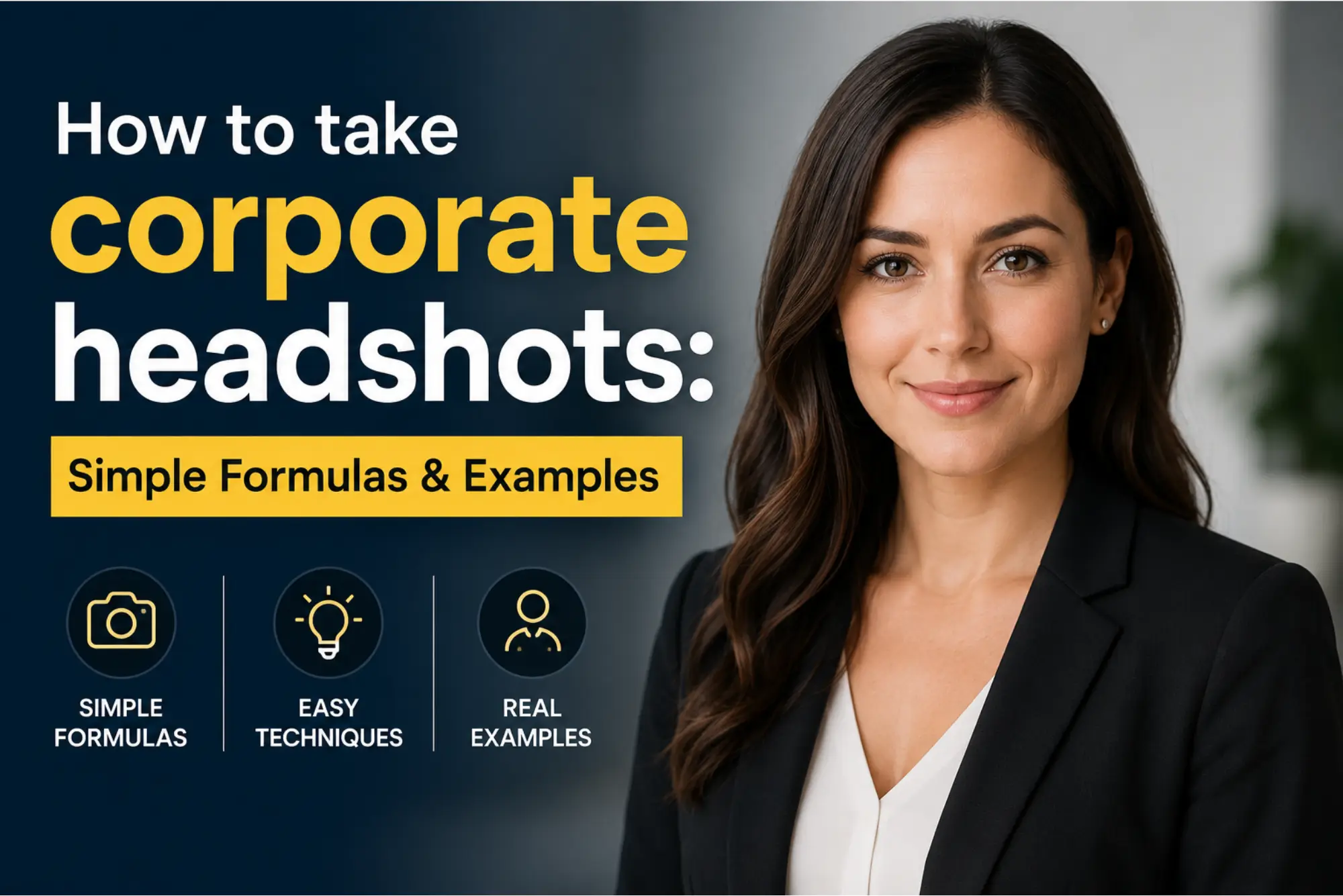
In today’s digital-first professional landscape, your headshot often serves as your first impression. Whether featured on a company website, LinkedIn profile, or legal directory, a corporate headshot communicates credibility, confidence, and professionalism before a single word is exchanged. For professionals in high-trust industries such as law, finance, and consulting, the importance of a polished image cannot be overstated.
This guide explores how to take corporate headshots using simple, proven formulas. Drawing from professional photography standards and real-world examples, it provides a practical framework to help you create high-quality, impactful images that align with your personal and organizational brand.
Why Corporate Headshots Matter More Than Ever
A corporate headshot is more than a photograph—it is a visual representation of your professional identity. In sectors where trust and authority are essential, such as legal services, a well-executed headshot reinforces your credibility.
Professionals listed on platforms like legal professionals in Abu Dhabi often rely on high-quality imagery to stand out in competitive directories. A sharp, confident portrait can influence how clients perceive expertise, reliability, and approachability.
The Core Formula for Professional Headshots
Creating a compelling corporate headshot does not require an elaborate studio setup. Instead, it depends on mastering a few essential elements that work together harmoniously. Think of it as a simple formula:
Lighting + Background + Composition + Expression = Professional Headshot

Each of these components plays a critical role in shaping the final image.
Lighting: The Foundation of Every Great Headshot
Lighting is arguably the most important factor in photography. Natural light is often the most flattering and accessible option. Position your subject near a window with soft, indirect light to avoid harsh shadows.
For more controlled environments, a basic two-light setup can create balanced illumination. The goal is to highlight facial features evenly while maintaining a natural look.
Background: Keep It Clean and Intentional
The background should never distract from the subject. Neutral tones such as white, grey, or soft beige are ideal for corporate headshots. These colors maintain focus on the individual while conveying professionalism.
In some cases, contextual backgrounds—such as an office setting—can add authenticity, especially for professionals who want to showcase their work environment.
Composition: Framing for Impact
A standard corporate headshot typically frames the subject from the chest or shoulders upward. The eyes should align roughly with the upper third of the frame, creating a balanced and engaging composition.
Maintaining a slight angle rather than a straight-on pose often adds depth and dimension to the image.
Expression: Authentic Confidence
A genuine, relaxed expression is key. Forced smiles or overly serious expressions can appear unnatural. The ideal headshot captures a sense of confidence, approachability, and professionalism.
Encourage subtle variations in expression during the shoot to find the most natural and effective look.
Wardrobe and Styling: Subtle Yet Strategic
Clothing choices significantly influence the tone of a corporate headshot. Solid colors work best, as patterns can be distracting. Neutral tones such as navy, black, and grey convey professionalism and timelessness.
For professionals in legal and corporate sectors, formal attire is generally recommended. A well-fitted suit or blazer enhances the overall presentation and aligns with industry expectations.
Grooming should also be carefully considered. Clean, polished styling ensures that attention remains on the face rather than unnecessary distractions.
Simple Setup for High-Quality Results
You do not need expensive equipment to achieve professional results. A basic setup can deliver impressive outcomes when executed correctly.
Camera and Lens
A DSLR or mirrorless camera with a portrait lens (such as 50mm or 85mm) is ideal. However, modern smartphones with advanced cameras can also produce high-quality images when used properly.
Tripod and Stability
Using a tripod ensures consistency and sharpness. It also allows for better framing and reduces the risk of motion blur.
Lighting Accessories
Simple reflectors or softboxes can enhance lighting quality. Even a white wall can act as a reflector to soften shadows.
Real Examples: What Works in Corporate Headshots
Observing real-world examples helps illustrate how these principles come together. In professional directories, successful headshots often share common traits: clean backgrounds, balanced lighting, and confident expressions.
For instance, legal professionals featured in reputable directories often present themselves with a neutral backdrop, formal attire, and a composed demeanor. These elements collectively reinforce authority and trust.
By contrast, poorly executed headshots—such as those with cluttered backgrounds or uneven lighting—can undermine credibility, regardless of professional qualifications.
Common Mistakes to Avoid
Even small errors can significantly impact the quality of a headshot. One common mistake is using harsh overhead lighting, which creates unflattering shadows. Another is choosing busy backgrounds that distract from the subject.
Over-editing is also a frequent issue. While minor adjustments are beneficial, excessive retouching can result in an unnatural appearance. Authenticity should always remain a priority.
Editing and Final Touches
Post-processing enhances the final image but should be approached with restraint. Basic adjustments such as brightness, contrast, and color correction can improve clarity and consistency.
Skin retouching should be subtle, preserving natural texture while reducing minor imperfections. The goal is to present a polished yet realistic image.
Aligning Headshots with Professional Branding
A corporate headshot should align with your overall professional brand. For legal professionals, this often means conveying authority, reliability, and approachability.
Consistency across platforms is essential. Using the same or similar headshots on websites, directories, and social media profiles reinforces recognition and trust.
This is particularly relevant for professionals featured on platforms such as toplawyer.ae, where visual presentation complements professional credentials.
When to Hire a Professional Photographer
While it is possible to take high-quality headshots independently, there are situations where hiring a professional photographer is beneficial. For executives, partners, or teams representing a firm, professional photography ensures consistency and excellence.
A skilled photographer brings expertise in lighting, composition, and direction, resulting in images that meet industry standards and expectations.
Conclusion: Elevating Your Professional Image
Understanding how to take corporate headshots is an investment in your professional presence. By applying simple formulas and focusing on key elements such as lighting, background, composition, and expression, you can create images that convey confidence and credibility.
In competitive industries, where first impressions often occur online, a well-crafted headshot is more than a visual asset—it is a strategic tool. Whether you choose a DIY approach or work with a professional, prioritizing quality and authenticity will ensure your image reflects the expertise you bring to your field.