Introduction
Do isotopes have same physical properties? The short answer is not always. Isotopes are atoms of the same element that contain the same number of protons but different numbers of neutrons. Because their proton and electron arrangements are essentially the same, isotopes usually show very similar chemical behavior. However, their different numbers of neutrons give them different masses, and that mass difference can affect certain physical properties.
This distinction is one of the most important ideas in introductory chemistry. Students often hear that isotopes have the “same properties,” but that statement needs a little clarification. They generally have similar chemical properties, while measurable physical properties can differ. The differences may be very small for heavy elements but more noticeable for lighter elements such as hydrogen.
In this guide, we will answer do isotopes have same physical properties using simple formulas, familiar examples, and straightforward explanations. By the end, you will understand exactly why isotopes behave similarly in some situations and differently in others.
What Are Isotopes?
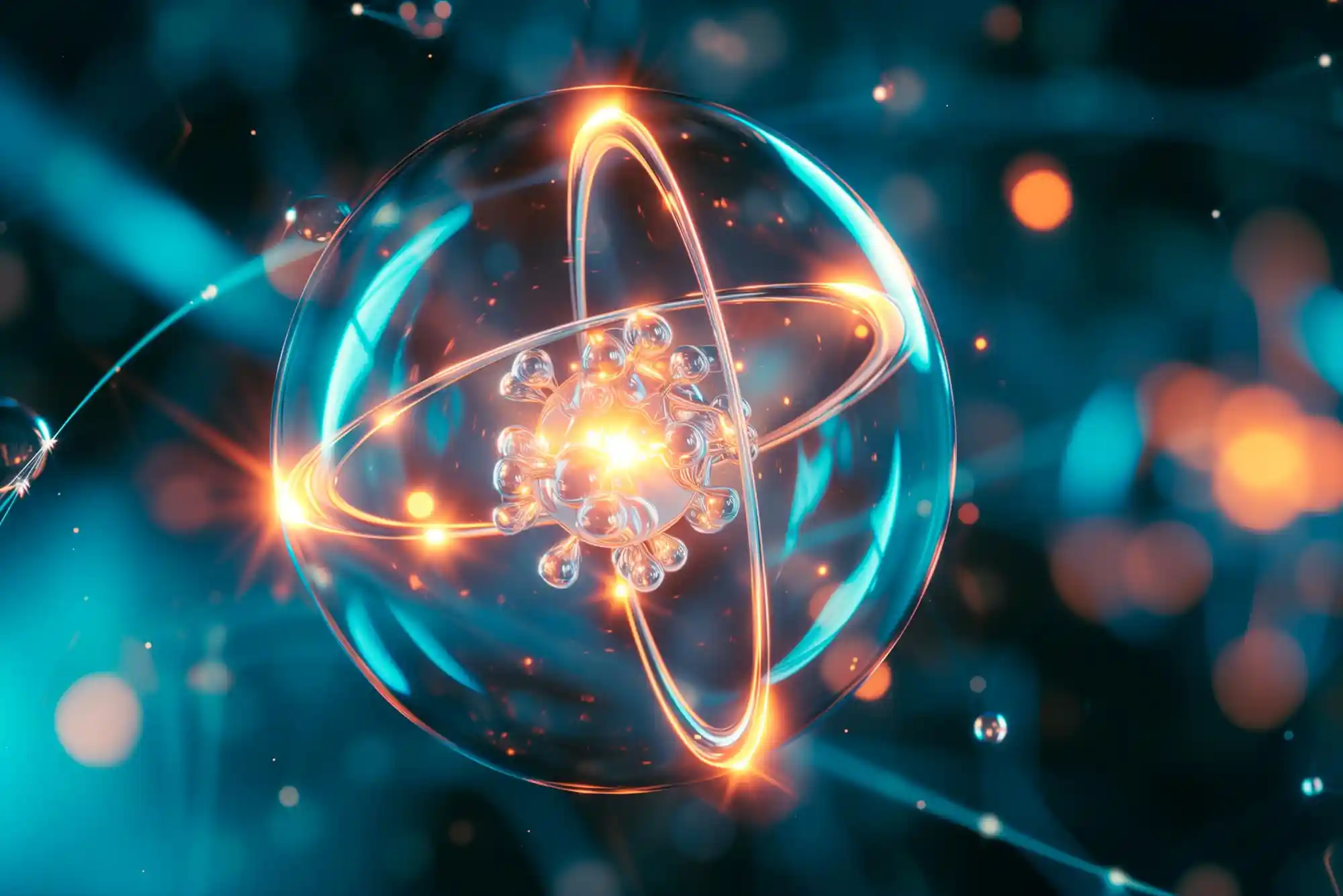
Isotopes are different forms of atoms belonging to the same element. They have the same atomic number but different mass numbers because they contain different numbers of neutrons.
The atomic number tells us the number of protons in the nucleus. Since the number of protons identifies an element, every isotope of an element must have the same number of protons.
The mass number, on the other hand, is the total number of protons and neutrons.

The Simple Isotope Formula
The basic formula is:
Mass number = Number of protons + Number of neutrons
It can also be rearranged as:
Number of neutrons = Mass number − Atomic number
For example, carbon has an atomic number of 6. Carbon-12 has a mass number of 12.
So:
Neutrons = 12 − 6 = 6
Carbon-13 has:
Neutrons = 13 − 6 = 7
Carbon-14 has:
Neutrons = 14 − 6 = 8
All three are carbon because each has six protons. Their different neutron counts make them different isotopes.
Do Isotopes Have Same Physical Properties?
So, do isotopes have same physical properties? They can have very similar physical properties, but they are not necessarily identical.
The key reason is mass. Isotopes have the same number of protons but different numbers of neutrons. Neutrons contribute to atomic mass, so changing the neutron count changes the mass of the atom.
Some physical properties are influenced by this mass difference. Examples can include density, diffusion behavior, vapor pressure, melting point, boiling point, and rates of physical processes. The size of the difference depends on the element and the particular property being measured. Hydrogen isotopes, for example, can show more noticeable differences because adding a neutron represents a relatively large percentage increase in mass.
This is why the best answer to do isotopes have same physical properties is not simply “yes” or “no.” A more scientifically accurate answer is that isotopes generally have very similar properties, but measurable physical differences can occur because their masses are different.
Why Do Isotopes Have Different Physical Properties?
The explanation starts in the atomic nucleus.
Consider hydrogen. Ordinary hydrogen, called protium, contains one proton and no neutrons. Deuterium contains one proton and one neutron, while tritium contains one proton and two neutrons.
All three have one proton and, when neutral, one electron. Their electronic structures are therefore very similar. But their masses are different.
Protium has a mass number of 1.
Deuterium has a mass number of 2.
Tritium has a mass number of 3.
That difference affects how atoms and molecules move. Heavier particles generally move differently from lighter particles under comparable conditions. This can influence properties such as vapor pressure and evaporation behavior. OpenStax material reproduced through Chemistry LibreTexts specifically notes that hydrogen isotopes have very similar chemical properties but differ in some physical properties because of their different atomic masses.
Mass Difference Formula
A simple way to understand the difference is:
Difference in mass number = Difference in neutron number
For carbon-12 and carbon-14:
14 − 12 = 2
Carbon-14 has two more neutrons than carbon-12.
That does not change carbon into another element. Both remain carbon because both have six protons.
Do Isotopes Have the Same Chemical Properties?
This is where the answer is different.
Isotopes generally have the same or extremely similar chemical properties because chemical behavior is primarily determined by the electrons surrounding the nucleus. Neutral isotopes of the same element have the same number of electrons and therefore the same basic electron configuration.
For example, carbon-12 and carbon-13 both have six protons. Neutral atoms of each isotope have six electrons. Their electron arrangements are therefore the same, so they participate in ordinary chemical reactions in essentially the same way.
However, “same chemical properties” should not be interpreted as meaning that every isotope behaves in an absolutely identical way under every experimental condition. Isotope effects can influence reaction rates and other measurements, particularly when the mass difference is significant. Hydrogen and deuterium provide an important example.
For basic school chemistry, however, the standard rule is simple: isotopes have similar chemical properties but may have different physical properties.
Carbon Isotopes: A Simple Example
Carbon provides one of the clearest examples for understanding the question, “Do isotopes have same physical properties?”
Carbon-12 contains six protons and six neutrons.
Carbon-13 contains six protons and seven neutrons.
Carbon-14 contains six protons and eight neutrons.
Their atomic number is always 6, so they are all carbon isotopes. Their mass numbers differ because their neutron counts differ.
The difference can be summarized mathematically:
Carbon-12: 6 + 6 = 12
Carbon-13: 6 + 7 = 13
Carbon-14: 6 + 8 = 14
This example demonstrates the central rule. Changing the number of neutrons changes the isotope but does not change the element itself.
Carbon-12 and carbon-13 are stable isotopes, while carbon-14 is radioactive. That radioactive behavior is a nuclear property rather than an ordinary physical property. Carbon-14’s instability is also why it is useful in radiocarbon dating.
Hydrogen Isotopes Show Bigger Differences
Hydrogen is especially useful when asking do isotopes have same physical properties because its isotopes differ proportionally much more in mass.
Protium contains one proton.
Deuterium contains one proton and one neutron.
Tritium contains one proton and two neutrons.
The addition of one or two neutrons represents a substantial change compared with the mass of ordinary hydrogen. As a result, differences in certain physical properties are easier to observe.
For example, hydrogen isotopes can have different vapor pressures. Heavier isotopes can be less likely to escape into the vapor phase, which can lead to isotope separation during evaporation.
This does not mean that deuterium suddenly becomes a completely different chemical element. It remains hydrogen because it still contains one proton.
Physical Properties That Can Differ
When discussing whether isotopes have the same physical properties, it is important to distinguish measurable characteristics from chemical reactivity.
Physical properties are characteristics that can be measured without changing the identity of the substance. Examples include mass, volume, density, melting point, boiling point, and color.
Because isotopes have different masses, some mass-dependent properties can vary.
Density is one possible example. If otherwise comparable materials contain different isotopic compositions, their mass per unit volume can differ.
Diffusion can also be affected. Lighter molecules generally move differently from heavier molecules, which can produce measurable isotope effects.
Melting and boiling behavior can also vary slightly between isotopic substances. These differences are usually small for many elements but can be more noticeable in compounds containing hydrogen isotopes.
The important point is that the differences are not necessarily large. In many ordinary situations, isotopes are physically so similar that the difference is difficult to notice without precise measurement.
A Simple Formula-Based Example
Suppose two hypothetical isotopes of an element have the following composition.
Isotope A has 20 protons and 20 neutrons.
Isotope B has 20 protons and 22 neutrons.
Using the mass-number formula:
Isotope A = 20 + 20 = 40
Isotope B = 20 + 22 = 42
Both have an atomic number of 20, so they belong to the same element.
However, isotope B has two additional neutrons and therefore a greater atomic mass.
This simple calculation helps explain why the answer to do isotopes have same physical properties is qualified. The atoms belong to the same element and have the same basic electron arrangement, but their nuclear masses are different.
Why Electron Structure Matters
To understand isotopes properly, it helps to separate the nucleus from the electron cloud.
The nucleus contains protons and neutrons. The number of protons determines the element, while the number of neutrons determines which isotope it is.
The electrons surrounding the nucleus are mainly responsible for ordinary chemical bonding and reactivity. Neutral isotopes of the same element have the same number of electrons.
For example, a neutral carbon-12 atom has six electrons, and a neutral carbon-13 atom also has six electrons. Their electron configurations are the same.
That is why isotopes generally react in similar ways even though their masses differ.
This principle is also useful when studying legal or scientific documents that contain technical terminology. For readers working with property-related matters, a clear understanding of scientific wording can sometimes help avoid confusion when technical evidence is presented alongside legal issues. If you need assistance with a property matter, you can consult a Lawyer in Dubai or explore resources on Property & Rental Law.
Common Misunderstanding About Isotopes
A common mistake is to memorize the statement “isotopes have the same properties” without understanding what it means.
The more accurate concept is that isotopes have the same atomic number and generally similar chemical behavior, while their different neutron numbers produce different masses and can cause differences in physical properties.
Another mistake is thinking that a change in neutron number changes the element. It does not.
For example, adding a neutron to carbon-12 produces carbon-13, not a new element. To change the element, the number of protons must change.
This gives us a useful rule:
Same protons = same element
Different neutrons = different isotope
Different electrons = different charge or ion
Remembering these three ideas makes isotope questions much easier.
Why Isotopes Matter in Real Science
Isotopes are more than a classroom concept. Scientists use them in medicine, environmental research, chemistry, biology, archaeology, and nuclear science.
Carbon-14 is used for radiocarbon dating because its radioactive decay can provide information about the age of once-living materials. Stable isotopes can also act as tracers, allowing scientists to follow substances through chemical or biological systems.
Finding reliable legal information can make important decisions much easier. TopLawyer provides helpful resources and professional legal guidance for individuals and businesses seeking clarity on legal matters. Explore the platform to learn more about legal services, practical advice, and solutions tailored to different legal needs.
FAQs
Do isotopes have the same physical properties?
Not necessarily. Isotopes generally have very similar physical properties, but their different numbers of neutrons give them different masses. This can cause measurable differences in properties such as density, vapor pressure, diffusion behavior, and phase-change temperatures, particularly for lighter elements.
Do isotopes have the same chemical properties?
Isotopes of the same element generally have very similar chemical properties because they have the same number of protons and, when neutral, the same number of electrons. Their electron structures are therefore essentially the same.
Why do isotopes have different physical properties?
They have different numbers of neutrons, which changes their atomic masses. Mass differences can influence physical behavior, including movement, diffusion, vapor pressure, and some phase-change properties.
What are isotopes in simple words?
Isotopes are different versions of the same element. They have the same number of protons but different numbers of neutrons.
What is the formula for finding neutrons in an isotope?
The formula is:
Number of neutrons = Mass number − Atomic number
For example, carbon-14 has an atomic number of 6:
14 − 6 = 8 neutrons.
Which isotope of hydrogen is radioactive?
Tritium, or hydrogen-3, is radioactive. Protium and deuterium are stable hydrogen isotopes under ordinary conditions.
So, do isotopes have same physical properties? The most accurate answer is that isotopes can have very similar physical properties, but they are not necessarily identical. Their different neutron counts give them different atomic masses, and those mass differences can influence measurable physical characteristics.
At the same time, isotopes of the same element generally have very similar chemical behavior because they have the same number of protons and, for neutral atoms, the same number of electrons. Carbon-12, carbon-13, and carbon-14 demonstrate this principle clearly, while protium, deuterium, and tritium show how mass differences can become more noticeable in lighter elements.
Related Reading: Does ginger have antibacterial properties: Simple Formulas & Examples
Related Reading: What are Colligative Properties: Complete Guide with Examples
Related Reading: What Is Emaar Properties: Simple Formulas & Examples
Related Reading: How can i get a criminal record: Simple Formulas & Examples
Related Reading: Is smell a physical property: Simple Formulas & Examples
Related Reading: What are emergent properties of water: Simple Formulas & Examples — full guide