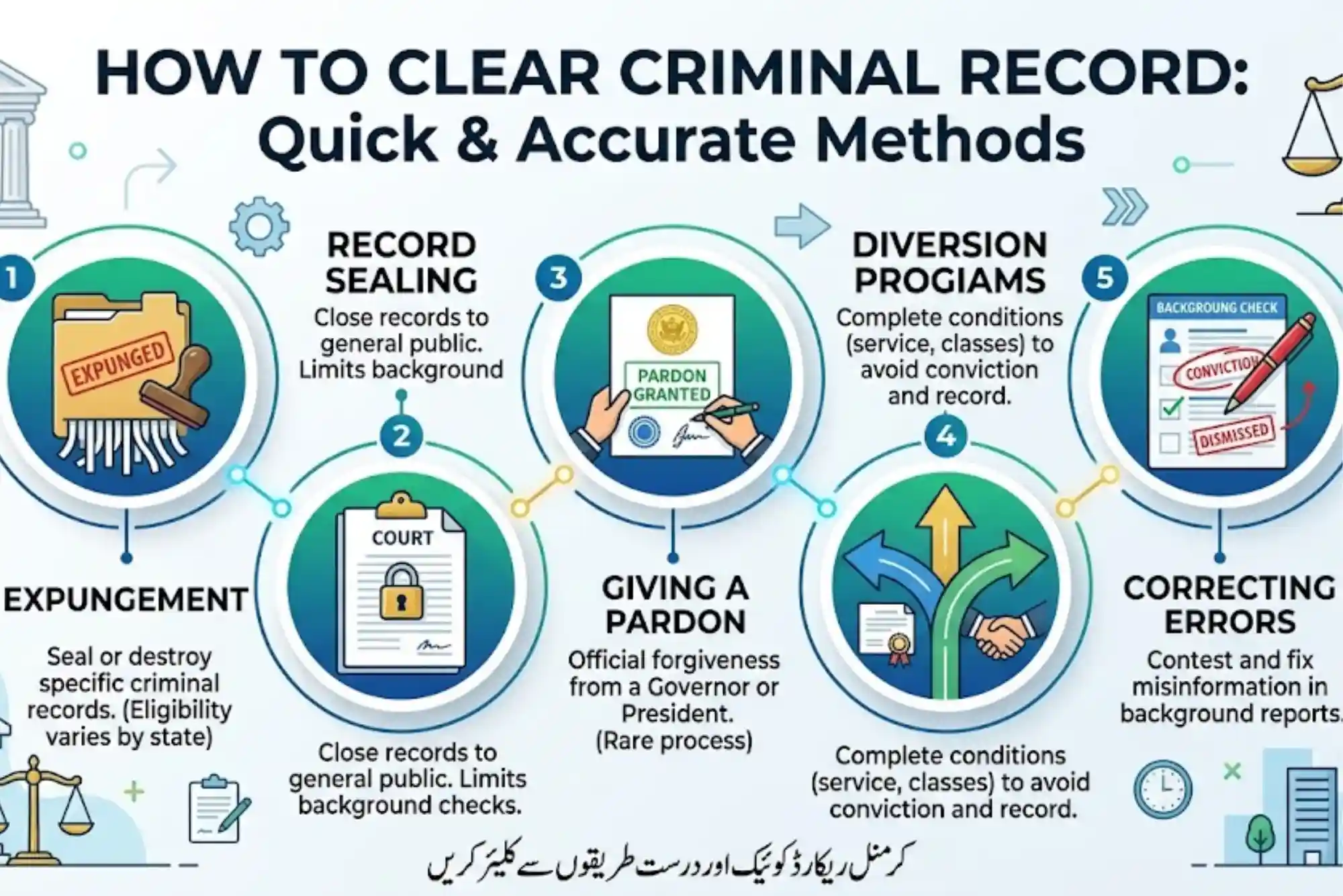
A criminal record can follow an individual for years, affecting employment opportunities, travel, housing, and even personal relationships. While a past mistake does not define a person’s future, it can still create legal and social barriers. Fortunately, there are lawful ways to address and, in some cases, clear a criminal record.
Understanding how to clear a criminal record requires clarity, patience, and knowledge of the legal system. Whether you are seeking a fresh start or helping someone navigate legal recovery, this guide explains the most accurate and effective methods available.
Understanding Criminal Records
A criminal record is an official record of an individual’s interactions with law enforcement. It may include arrests, charges, convictions, and sometimes even dismissed cases depending on the jurisdiction.
These records are typically maintained by government agencies and can be accessed during background checks. Employers, immigration authorities, and licensing bodies often rely on this information when making decisions.
Not all criminal records are treated equally. Minor offenses may be eligible for removal, while serious crimes may remain permanently. Understanding the nature of your record is the first step toward clearing it.
Why Clearing a Criminal Record Matters
Clearing a criminal record is not just about legal relief—it is about reclaiming opportunities. A clean record can significantly improve access to employment, education, and housing.

Many employers conduct background checks, and even minor offenses can raise concerns. Similarly, visa applications and international travel may be restricted due to unresolved criminal records.
By addressing your record through legal channels, you demonstrate responsibility and commitment to moving forward. This can positively influence both professional and personal aspects of life.
Legal Methods to Clear a Criminal Record
Expungement
Expungement is one of the most effective ways to clear a criminal record. It involves legally removing a record so that it no longer appears in public databases. Once expunged, the individual can often state that the offense never occurred in most situations.
Eligibility for expungement depends on factors such as the type of offense, time elapsed since conviction, and compliance with court orders. Minor offenses and first-time violations are more likely to qualify.
Record Sealing
Record sealing does not erase a criminal record but restricts access to it. Sealed records are hidden from public view, meaning employers and landlords typically cannot see them.
However, certain authorities, such as courts and law enforcement agencies, may still access sealed records. This option is often suitable for individuals who may not qualify for full expungement.
Pardon and Rehabilitation
A pardon is an official forgiveness granted by a government authority. While it does not erase the record, it can restore certain rights and improve an individual’s reputation.
Rehabilitation programs, on the other hand, focus on demonstrating behavioral change. Completing such programs may strengthen applications for record clearance or leniency in legal proceedings.
Step-by-Step Process to Clear a Criminal Record
Clearing a criminal record involves several legal steps, each requiring careful attention. The process may vary depending on jurisdiction, but generally includes the following:
First, obtain a copy of your criminal record. This helps you understand what is recorded and identify eligible offenses for removal or sealing.
Next, determine your eligibility. Legal criteria differ based on the nature of the offense, time passed, and compliance with sentencing requirements.
Then, file a formal application or petition with the relevant court or authority. This often involves submitting documents, paying fees, and sometimes attending a hearing.
Finally, await the decision. If approved, the record will either be sealed or expunged based on the method applied. It is important to follow up and ensure the changes are reflected in official databases.
Real-Life Scenarios and Practical Examples
Consider an individual convicted of a minor offense several years ago who has since maintained a clean record. By applying for expungement, they may successfully remove the offense and secure better employment opportunities.
In another case, a professional with a non-violent conviction may opt for record sealing. This allows them to pursue career growth without the burden of public disclosure.
These examples highlight how legal remedies can transform lives when used correctly and responsibly.
Common Mistakes to Avoid
One of the most common mistakes is assuming that all criminal records can be cleared. In reality, eligibility depends on strict legal criteria.
Another issue is incomplete documentation. Missing paperwork or incorrect information can delay or even reject applications.
Additionally, attempting to navigate the process without proper legal guidance may lead to unnecessary complications. Understanding the legal framework is essential for success.
Legal Considerations in the UAE
In the UAE, criminal record clearance operates under a structured legal system. While the concept of expungement may differ from other jurisdictions, individuals can apply for police clearance certificates or request rehabilitation measures.
The process often involves coordination with law enforcement authorities and may require proof of good conduct over time. It is essential to comply with local regulations and seek accurate legal advice when dealing with criminal records in the region.
When to Seek Legal Assistance
While some individuals may attempt to clear their records independently, legal assistance can significantly improve the chances of success. Lawyers understand procedural requirements, documentation standards, and court expectations.
Professional guidance is especially important in complex cases involving multiple offenses or jurisdictional challenges. A qualified legal expert can assess your situation and recommend the most effective strategy.
Conclusion
Clearing a criminal record is a powerful step toward rebuilding your life. Whether through expungement, record sealing, or legal rehabilitation, the process offers a path to renewed opportunities and personal growth.
By understanding your legal options and following the correct procedures, you can move beyond past mistakes and create a stronger future. While the journey may require time and effort, the long-term benefits make it a worthwhile investment in your personal and professional life.