Introduction
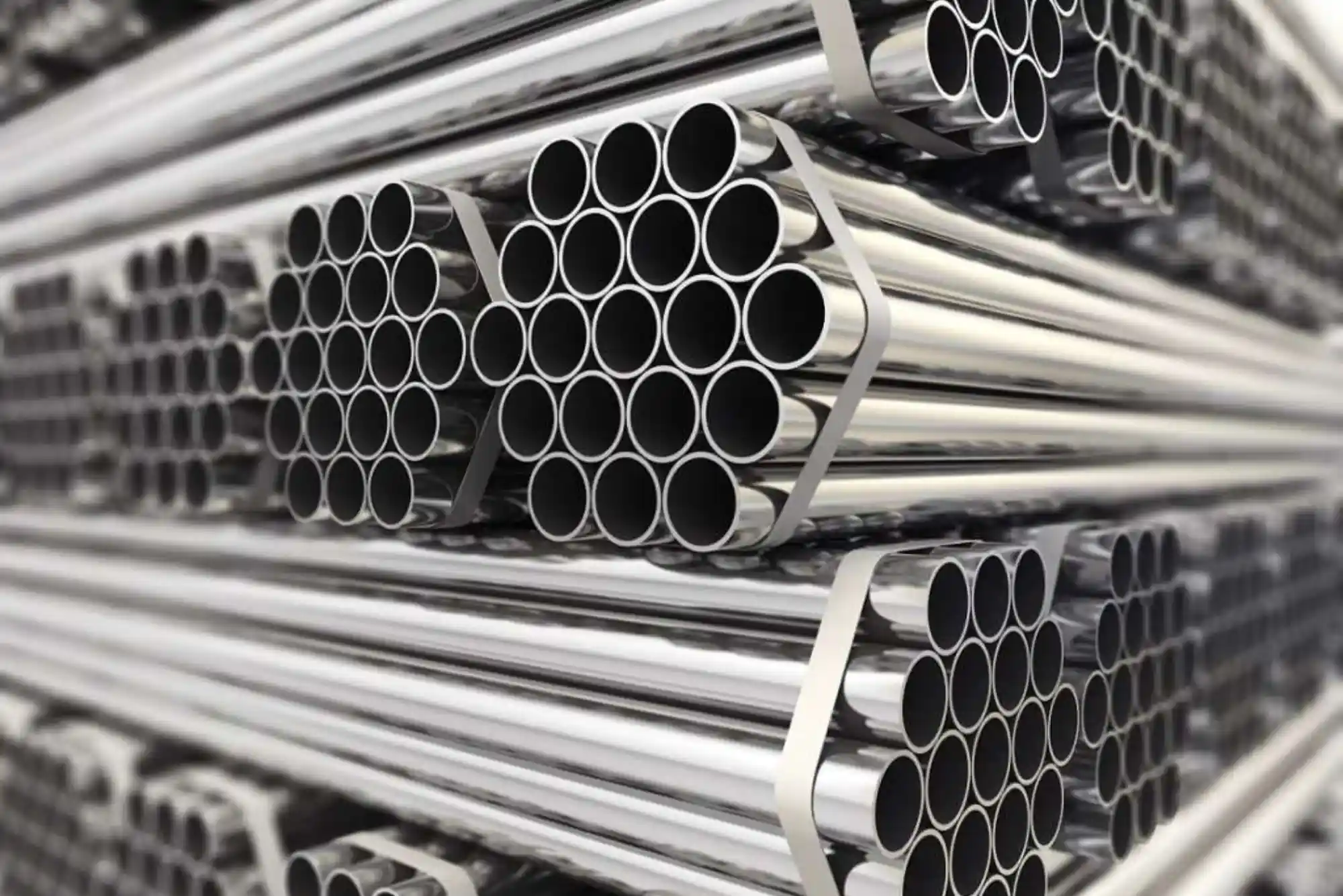
Steel is one of the most widely used materials in modern construction, manufacturing, transportation, and engineering. From towering skyscrapers to everyday kitchen appliances, steel plays an essential role in our daily lives. Its popularity comes from its impressive strength, durability, versatility, and ability to withstand different working conditions. Understanding What are the properties of steel: Explained with Real Examples helps engineers, builders, manufacturers, and consumers make better material choices.
Steel is primarily an alloy of iron and carbon. However, manufacturers often add other elements to improve its performance. These elements can include chromium, nickel, manganese, and molybdenum. Each addition changes the material's characteristics and makes particular steel grades suitable for specific applications. For example, stainless steel resists corrosion, while high-carbon steel offers excellent hardness.
Understanding the Basic Properties of Steel
The properties of steel determine how it performs under different environmental and mechanical conditions. These characteristics influence its suitability for buildings, bridges, vehicles, machinery, and household products. Although different steel grades have different characteristics, several fundamental properties make steel a valuable engineering material.
High Tensile Strength
Tensile strength describes how much pulling force a material can withstand before breaking. Steel is particularly valued for its ability to handle significant tensile loads. This makes it suitable for applications where structural stability is essential.
For example, steel reinforcement bars are commonly used inside concrete structures. They help buildings and bridges withstand pulling forces that concrete cannot resist effectively on its own. Similarly, suspension bridge cables use high-strength steel to support enormous loads over long distances.
Excellent Hardness
Hardness measures a material's resistance to scratching, indentation, and surface deformation. Steel can achieve different hardness levels through changes in carbon content and heat treatment.
High-carbon steel generally offers greater hardness than low-carbon steel. This makes it useful for cutting tools, industrial blades, drills, and machine components. For example, hardened steel tools maintain their cutting edges during repeated manufacturing operations.
Durability and Long Service Life
Durability is another important characteristic of steel. Properly selected and maintained steel can withstand demanding operating conditions for many years. It performs well in buildings, industrial equipment, transportation systems, and infrastructure.
For instance, steel frames support commercial buildings because they can handle substantial structural loads. Protective coatings and regular maintenance further improve their service life. Consequently, steel remains a practical choice for projects requiring long-term performance.
Mechanical Properties of Steel
Mechanical properties explain how steel behaves when external forces act upon it. These characteristics help engineers determine whether a particular grade can safely perform its intended function.
Elasticity
Elasticity describes a material's ability to return to its original shape after an applied force is removed. Steel demonstrates useful elastic behavior within its elastic limit.
This property is particularly important in construction and automotive engineering. For example, vehicle suspension springs use specially manufactured steel to absorb movement and return toward their original shape. Structural steel also experiences small elastic deformations under normal working loads.
Ductility
Ductility refers to a material's ability to stretch or deform without breaking. Steel grades with good ductility can undergo considerable deformation before failure.
This characteristic is valuable in earthquake-resistant construction. Ductile steel components can absorb energy and deform during seismic movement. Instead of breaking suddenly, properly designed structures can provide warning through visible deformation.
Malleability
Malleability describes the ability of a material to change shape under compressive forces without cracking. Steel can be rolled, pressed, forged, and shaped into different products.
Manufacturers use this property to produce automobile body panels, metal sheets, industrial equipment, and structural components. For example, steel sheets are pressed into vehicle doors and body panels using specialized manufacturing equipment.
Toughness
Toughness measures a material's ability to absorb energy before fracturing. It combines strength and ductility, making it especially important for materials exposed to sudden impacts.
Construction equipment, railway components, and heavy machinery often require tough steel grades. These materials must withstand repeated loading and occasional impact without experiencing sudden failure.
Physical Properties of Steel
Physical properties describe characteristics that can be measured without changing the chemical composition of steel. These properties influence its performance in practical applications.
Density and Weight
Steel has a density of approximately 7,850 kilograms per cubic metre, although the exact value varies with its composition. This means steel is relatively heavy compared with materials such as aluminium.
Its density provides stability in many structural and industrial applications. However, weight can become a disadvantage in vehicles and aircraft, where reducing overall mass improves efficiency.
Engineers therefore compare steel with alternative materials when designing lightweight products. High-strength steel can sometimes reduce component thickness while maintaining required performance.
Thermal Conductivity
Thermal conductivity describes how efficiently a material transfers heat. Steel conducts heat, although its conductivity varies depending on the particular grade and alloy composition.
This property makes steel useful in cooking equipment, industrial machinery, and heating systems. Stainless steel cookware, for example, often combines corrosion resistance with practical heat-handling characteristics.
However, steel does not conduct heat as efficiently as copper or aluminium. Manufacturers sometimes combine different materials to achieve better thermal performance.
Electrical Conductivity
Steel conducts electricity, but it is generally less conductive than copper and aluminium. Its electrical properties depend on composition, temperature, and material structure.
Steel is commonly used in electrical infrastructure where mechanical strength is also important. For example, certain overhead transmission conductors use steel cores to provide additional tensile support.
Melting Point
Steel has a high melting temperature, although its exact melting range depends on its chemical composition. Many common steel grades melt at approximately 1,370°C to 1,540°C.
This characteristic makes steel suitable for numerous industrial applications involving elevated temperatures. However, high temperatures can still reduce its strength and stiffness. Therefore, engineers consider fire protection when designing steel buildings.
Chemical Properties of Steel
Chemical properties determine how steel reacts with oxygen, moisture, chemicals, and other environmental substances. These characteristics are especially important when selecting materials for outdoor and industrial applications.
Corrosion Resistance
Corrosion occurs when metals react with their surroundings. Ordinary carbon steel can rust when exposed to moisture and oxygen for extended periods.
However, stainless steel contains sufficient chromium to develop a protective oxide layer. This layer helps prevent further corrosion under suitable conditions.
For example, stainless steel is widely used in food-processing equipment, medical instruments, kitchen sinks, and certain outdoor installations. Protective coatings also help carbon steel resist corrosion.
Oxidation Resistance
Oxidation is a chemical reaction involving oxygen. Steel can oxidize when exposed to air, especially at elevated temperatures.
Some alloy steels contain chromium, aluminium, or other elements that improve oxidation resistance. These materials are useful in industrial equipment, furnaces, and applications involving high operating temperatures.
Chemical Stability
Steel offers useful chemical stability in many ordinary environments. However, its resistance depends on the specific grade and surrounding conditions.
For example, stainless steel performs well in many food-processing environments. Nevertheless, certain acids, salts, and industrial chemicals can damage particular stainless steel grades.
Selecting the correct material is therefore essential for maintaining performance and preventing premature deterioration.
Different Types of Steel and Their Properties
Steel is available in several categories, each designed for different purposes. Understanding these differences helps manufacturers and construction professionals choose suitable materials.
Carbon Steel
Carbon steel mainly contains iron and carbon, with other elements present in controlled amounts. Its properties depend largely on carbon content.
Low-carbon steel is relatively easy to weld, form, and machine. It is commonly used in construction frames, pipes, automotive panels, and general manufacturing.
Medium-carbon steel provides a balance between strength and ductility. It is often used for machinery components, shafts, and automotive parts.
High-carbon steel offers greater hardness and wear resistance. Consequently, it is suitable for springs, cutting tools, and specialized industrial equipment.
Stainless Steel
Stainless steel contains chromium, which provides corrosion resistance through a protective surface layer. Different grades also contain elements such as nickel and molybdenum.
It is widely used in kitchens, hospitals, chemical processing facilities, and food manufacturing. Its appearance, durability, and resistance to corrosion make it valuable for both decorative and functional applications.
Alloy Steel
Alloy steel contains additional elements that improve particular mechanical or chemical properties. These elements may include chromium, nickel, molybdenum, and vanadium.
Alloy steels are commonly used in automotive engineering, industrial machinery, pipelines, and heavy equipment. Their specialized compositions help manufacturers achieve specific performance requirements.
Real-Life Applications of Steel Properties
Steel's versatility becomes easier to understand when examining its practical applications. Different industries depend on different combinations of strength, toughness, hardness, and corrosion resistance.
In construction, structural steel supports bridges, commercial buildings, warehouses, and industrial facilities. Its strength allows engineers to design large structures with comparatively slender structural members. Reinforcing steel also improves the tensile performance of concrete.
In transportation, steel is used in vehicle frames, railway tracks, ship structures, and heavy transport equipment. Its strength and toughness help components withstand continuous mechanical stress. Automotive manufacturers also use advanced high-strength steel to improve passenger protection.
In manufacturing, steel forms the foundation of tools, machines, industrial equipment, and production systems. Hardness and wear resistance are particularly important for components exposed to friction and repeated contact.
In household products, stainless steel appears in refrigerators, cookware, sinks, and appliances. Its corrosion resistance and easy maintenance make it suitable for everyday environments.
Steel also supports energy infrastructure. Wind turbines, power transmission systems, pipelines, and industrial plants rely on different steel grades to meet demanding operating requirements.
Factors That Affect the Properties of Steel
Steel does not have identical properties across every grade. Several factors influence its final performance and suitability.
Carbon content is one of the most important factors. Increasing carbon content generally improves hardness and strength, but it can reduce ductility and weldability.
Alloying elements also influence performance. Chromium improves corrosion resistance, nickel can improve toughness, and molybdenum helps certain steels resist corrosion and elevated temperatures.
Heat treatment changes the internal structure of steel. Processes such as annealing, quenching, and tempering help manufacturers achieve specific combinations of hardness, strength, and toughness.
Manufacturing methods also matter. Rolling, forging, welding, and cooling conditions can affect the final material properties. Therefore, selecting steel requires more than simply comparing its appearance or price.
Understanding what are the properties of magnet helps explain how magnets attract certain metals, create magnetic fields, and interact with other magnets. These fascinating properties play an important role in everyday devices, including electric motors, speakers, and generators, making magnets essential in modern technology and science.
How to Choose the Right Steel for a Project
Choosing suitable steel begins with understanding the project's requirements. Engineers should consider expected loads, environmental exposure, operating temperatures, and manufacturing conditions.
For structural projects, strength, ductility, and weldability are important considerations. For outdoor installations, corrosion resistance may become a higher priority.
Industrial cutting tools require hardness and wear resistance. Meanwhile, food-processing equipment often benefits from stainless steel grades with suitable corrosion resistance and cleanability.
Budget and maintenance requirements also influence material selection. A more expensive steel grade may provide better long-term value when it reduces replacement and maintenance costs.
For construction and property-related projects, material selection should also comply with applicable building regulations and technical specifications. Professional guidance can help prevent costly design and material-selection mistakes. When legal questions arise concerning construction agreements, property responsibilities, or contractual disputes, consulting a qualified Lawyer in Dubai can help clarify the relevant legal requirements.
Similarly, understanding Property & Rental Law can be important when construction projects involve leased premises, property improvements, ownership responsibilities, or disagreements between landlords and tenants.
Frequently Asked Questions
What are the five main properties of steel?
The five important properties of steel include strength, hardness, ductility, toughness, and durability. These characteristics determine how steel performs under mechanical stress and different working conditions. Other important properties include elasticity, corrosion resistance, and thermal conductivity.
Why is steel so strong and durable?
Steel is strong because its iron-based structure combines with carbon and other alloying elements. Manufacturing processes and heat treatments further improve its mechanical characteristics. Its durability depends on the selected grade, environmental exposure, and maintenance.
Is steel harder than iron?
Steel is generally harder and stronger than pure iron because it contains carbon and may include additional alloying elements. However, the exact comparison depends on the steel grade and the type of iron being considered.
What makes stainless steel resistant to rust?
Stainless steel contains chromium, which forms a thin protective oxide layer on its surface. This layer reduces further corrosion under suitable environmental conditions. Some stainless steel grades also contain nickel and molybdenum for improved performance.
What are the most common uses of steel?
Steel is commonly used in buildings, bridges, vehicles, machinery, railway tracks, household appliances, and industrial equipment. Its combination of strength, versatility, and durability makes it suitable for numerous applications.
Conclusion
Understanding What are the properties of steel: Explained with Real Examples provides valuable insight into why steel remains essential across modern industries. Its strength, hardness, toughness, ductility, and durability make it suitable for demanding applications. Meanwhile, different steel grades offer specialized characteristics for construction, transportation, manufacturing, and household products.