


Immigration & Visa
How many points needed for australian immigration: Everything You Need to Know
Introduction Understanding how many points are needed for Australian immigration is an important first step for skilled workers planning to...
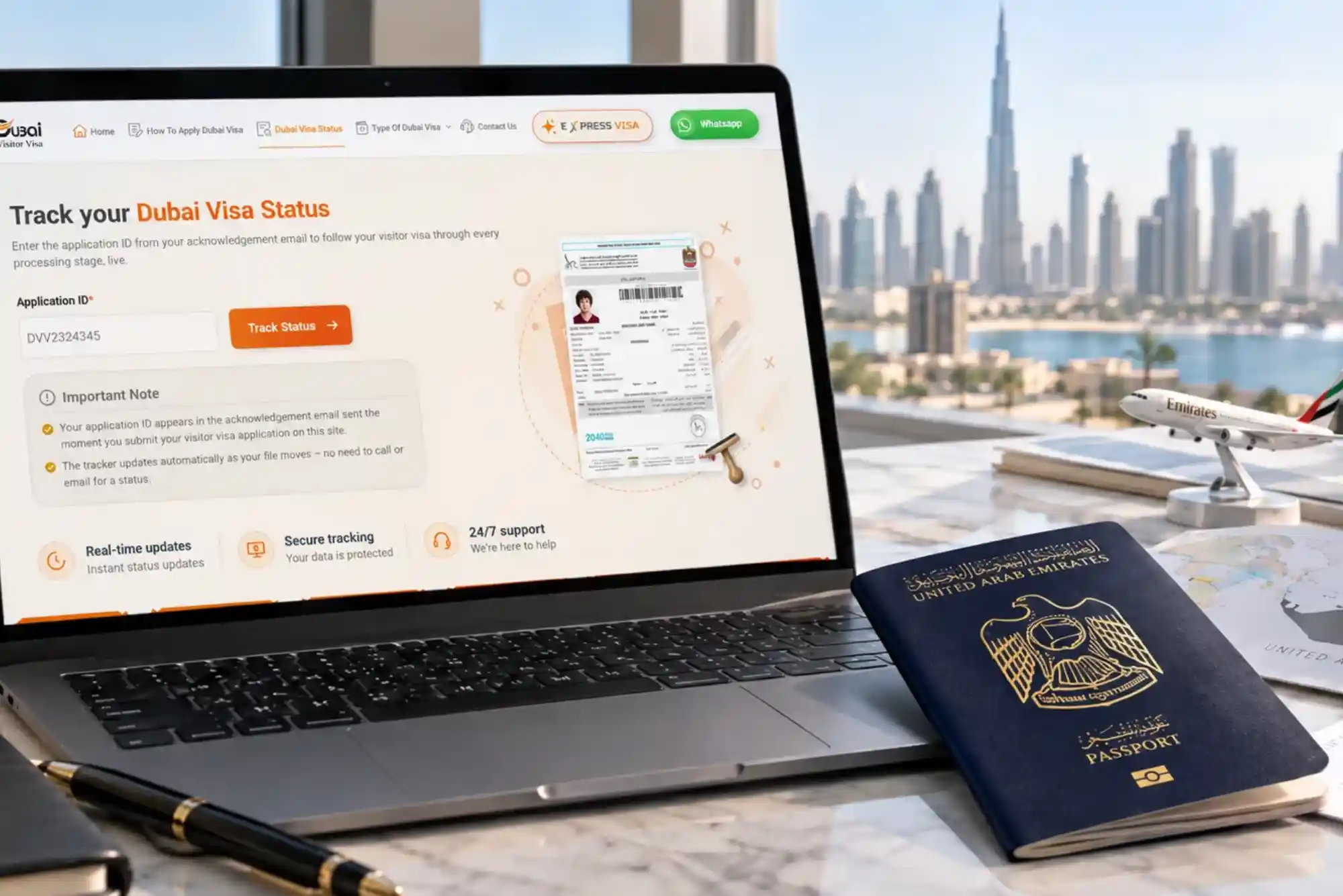
Dubai has become a popular destination for professionals, entrepreneurs, families, and international investors seeking new opportunities. Its modern infrastructure, global business environment, and diverse workforce attract people from across the world. However, understanding how to immigrate to Dubai requires more than booking a flight and finding accommodation. Applicants must choose the right visa category, prepare accurate documents, and follow the applicable UAE immigration procedures.
The quickest and most reliable way to immigrate to Dubai depends on your circumstances. A qualified professional may obtain a residence visa through an employer, while an entrepreneur may qualify through a business or investment route. Family sponsorship, remote work arrangements, and long-term residency options can also provide suitable pathways.
This guide explains how to immigrate to Dubai using practical, lawful methods. It covers eligibility, documentation, application procedures, common mistakes, and important considerations to help you plan your move confidently.
Before choosing a route, it is essential to understand the difference between visiting Dubai and becoming a UAE resident. A tourist or visit visa generally allows temporary entry for a permitted purpose and period. It does not automatically grant permission to live or work in the country indefinitely.
To establish legal residence, most applicants need an appropriate residence visa or permit under the applicable UAE immigration framework. The exact process depends on whether the applicant is entering through employment, family sponsorship, business ownership, remote employment, or another eligible category.
The UAE also has different authorities responsible for immigration services. In Dubai, the General Directorate of Residency and Foreigners Affairs (GDRFA Dubai) handles relevant residency matters, while the Federal Authority for Identity, Citizenship, Customs and Port Security (ICP) administers services across other emirates and applicable federal categories.
Choosing the correct route at the beginning can prevent unnecessary expenses, rejected applications, and delays.
Employment is one of the most practical routes for people who want to relocate to Dubai without establishing their own business. Many companies recruit international candidates for positions in technology, healthcare, construction, finance, hospitality, education, and professional services.
The first step is to secure a genuine job offer from a company legally operating in the UAE. Applicants can search through reputable recruitment platforms, company career pages, professional networks, and licensed recruitment agencies.
Prepare a clear CV, relevant educational certificates, professional qualifications, and references where appropriate. Your application should explain how your experience matches the employer's requirements.
Once an employer selects you, the company generally initiates the relevant work permit process through the appropriate authority. The process varies according to the employer's legal status, the employment arrangement, and the applicable rules.
After receiving a legitimate offer, the employer guides the candidate through the required approvals. Depending on the case, these may involve an entry permit, medical fitness testing, Emirates ID registration, health insurance requirements, and residence formalities.
A job offer alone is not the same as an approved work permit. Similarly, entering the UAE on a visit visa does not automatically authorize employment. Confirm that the necessary permissions are in place before starting work.
Employment-based immigration is often a strong option because the employer typically coordinates important administrative steps. Nevertheless, applicants should verify the employer, understand their contract, and avoid paying suspicious recruitment or visa fees to unofficial intermediaries.
Family sponsorship may be suitable for people whose spouse, parent, or another eligible relative already holds UAE residence status. The sponsor must satisfy the applicable eligibility, income, accommodation, and documentation requirements.
Eligible UAE residents may be able to sponsor their spouse and children, subject to the relevant rules. Sponsorship for parents and other dependants can involve additional conditions.
The sponsor's visa status, salary, housing arrangements, and relationship to the applicant can affect eligibility. Requirements may differ depending on the family relationship and individual circumstances.
Applicants commonly need valid passports, photographs, proof of family relationships, and the sponsor's residence and identity documents. Marriage certificates and birth certificates may require attestation or other formal recognition, depending on where they were issued.
Some applications also require proof of accommodation, salary documentation, health insurance, medical fitness testing, or other supporting evidence.
Before submitting an application, check that names, dates, and passport details match across all documents. Incorrect information or missing attestations can delay processing.
Family sponsorship can simplify relocation for eligible applicants because they may not need to secure a separate employer-sponsored route. However, dependants who intend to work must also meet the applicable work authorization requirements.
Dubai attracts entrepreneurs who want to establish companies, serve international customers, or expand existing operations. Depending on the business structure and eligibility, company formation may provide a route to residency.
Applicants can explore mainland business registration or an appropriate free zone structure. The right option depends on the planned activities, licensing requirements, ownership arrangements, office needs, and target customers.
Business setup may involve selecting a legal structure, reserving a trade name, obtaining the relevant licence, and meeting office or other operational requirements. Not every licence automatically grants a residence visa, so applicants should confirm the associated visa eligibility before committing funds.
Costs can include registration, licensing, establishment cards, visa processing, insurance, and workspace expenses. These vary significantly between authorities and business activities.
Eligible business owners and investors may qualify for residence arrangements connected with their investment or company. The applicable route depends on the type of investment, ownership structure, qualifying conditions, and current regulations.
Some investors may also qualify for longer-term residency categories, including the UAE Golden Visa, if they meet the relevant criteria. The Golden Visa is not an automatic benefit of every business licence or property purchase.
Entrepreneurs should calculate their total relocation and operating costs before applying. Professional advice can help clarify licensing obligations, immigration eligibility, and renewal requirements.
Remote workers employed by companies outside the UAE may have another option if they satisfy the requirements of an applicable remote-work residence programme.
Dubai has offered a virtual working arrangement for eligible individuals who work remotely for employers or businesses outside the UAE. Applicants generally need to demonstrate qualifying employment or business activity, sufficient income, valid health insurance, and other required evidence.
Requirements can include proof of remote employment, salary or income documentation, passport validity, and health coverage. Exact financial thresholds and supporting documents should be verified through the current official programme information.
This route can suit people who want to live in Dubai while continuing their existing overseas work. However, it should not be assumed that every freelancer, contractor, or online business owner automatically qualifies.
Applicants should also consider tax obligations, employment restrictions, and whether their work arrangement complies with UAE and home-country rules.
The UAE Golden Visa provides long-term residence to eligible categories of applicants. Depending on the applicable programme, these may include qualifying investors, entrepreneurs, exceptional talents, certain professionals, researchers, and outstanding students.
Eligibility depends on the specific category and its supporting criteria. Applicants may need evidence of investment, professional achievements, academic performance, qualifications, income, or nomination by an authorized entity.
The Golden Visa can offer greater long-term stability than some short-term residence arrangements. However, it is not a universal immigration option, and meeting the conditions for one category does not establish eligibility for another.
Before applying, review the current criteria published by the relevant UAE authority. Do not rely solely on social media posts or unofficial claims promising guaranteed approval.
The documents required depend on the immigration category, nationality, and individual circumstances. However, several documents commonly appear in UAE residence applications.
A valid passport is essential, and applicants may need passport photographs, completed forms, entry permits, or an approved work or sponsorship application. Employment applicants may need educational certificates or professional credentials, while family applicants usually need proof of their relationship to the sponsor.
Business applicants may need a trade licence, company records, or evidence of qualifying investment. Remote workers may need employment contracts, income evidence, and proof of health insurance.
Certain documents issued outside the UAE may require authentication or attestation, and documents in other languages may need an accepted Arabic translation. Requirements depend on the document and the authority processing the application.
Keep digital copies of every document and check expiry dates before submission. Confirm the exact checklist with the relevant authority rather than assuming that every visa category follows the same procedure.
The total cost depends on the route, visa category, application fees, insurance, medical testing, Emirates ID, accommodation, and other personal expenses. Employment-sponsored applicants may have different cost responsibilities from business owners or self-sponsored residents.
Business immigration can involve licensing and establishment expenses in addition to residence processing. Family sponsorship may require separate fees for each dependant, while long-term residence applications have their own eligibility and processing costs.
There is no single reliable price that applies to everyone. Fees can change, and additional charges may apply depending on the service provider or application circumstances.
For an accurate budget, obtain a current fee breakdown from the relevant government authority or authorized service centre. Include rent, deposits, transportation, utilities, and emergency savings in your relocation plan.
One common mistake is travelling on a visit visa with the assumption that it automatically permits employment or residence. Applicants should understand the conditions of their entry status and obtain the necessary approvals before beginning work.
Another problem is relying on unverified agents who promise guaranteed visas, unusually fast approvals, or jobs in exchange for suspicious upfront payments. Verify employers, licences, and service providers before sharing sensitive documents or money.
Applicants also sometimes submit incomplete paperwork, overlook document attestation, or select a visa category without checking its eligibility requirements. These mistakes can create avoidable delays and extra expenses.
Finally, do not assume that a residence visa removes every legal obligation. Residents may still need to maintain health insurance, renew their permits, update relevant records, and comply with employment or business regulations.
Immigration applications can become complicated when they involve family relationships, business ownership, document attestation, employment disputes, or questions about eligibility. Professional guidance may help applicants understand the rules before making financial commitments.
If you need legal guidance, you can consult a qualified Lawyer in Dubai to discuss your circumstances and identify the appropriate next steps.
For guidance focused on residency applications, sponsorship, and related legal matters, explore the Immigration & Visa resources. You can also visit toplawyer to explore legal information and available professional services.
Before hiring any adviser, confirm their qualifications, experience, fees, and scope of work. Immigration approval remains subject to the relevant UAE authorities, and no adviser can legitimately guarantee a decision outside their control.
The most effective way to immigrate to Dubai is to match your circumstances with an eligible residence category before submitting an application. Start by confirming whether you qualify through employment, family sponsorship, business ownership, remote work, or long-term residency. Then verify the latest requirements with the official UAE government portal or the relevant Dubai immigration authority.
For an employment route, secure a genuine offer and coordinate with your employer. For family sponsorship, confirm the sponsor's eligibility and prepare authenticated relationship documents. For business immigration, compare licensing costs and residency conditions before paying registration fees.
Learning how to immigrate to Dubai becomes much easier when you understand the available residence options and prepare for the requirements in advance. Employment sponsorship is a practical choice for many professionals, family sponsorship can help eligible relatives reunite, and business or remote work arrangements may suit people with different financial and professional circumstances.
The key is to verify your eligibility, organize your documents, understand the costs, and use official application channels. Avoid unverified agents and promises of guaranteed approval. Immigration rules and fees can change, so confirm the latest requirements before making a final decision.
The quickest route depends on your eligibility and how quickly you can prepare the required documents. A person with a genuine UAE job offer may use an employer-sponsored residence process, while an eligible remote worker may apply through a virtual work programme. Complete documentation and timely approvals can help avoid unnecessary delays, but no legitimate provider can guarantee a specific processing time.
Yes, depending on your circumstances. Eligible remote workers, certain investors, entrepreneurs, and applicants who qualify for specific residence categories may be able to relocate without obtaining a conventional UAE job first. However, a visit visa does not automatically provide residence or employment rights. Check the conditions of your intended visa before moving.
There is no single amount that applies to every applicant. Your budget depends on your visa category, processing fees, insurance, accommodation, travel, and living expenses. Business owners may also need funds for licensing and company operations. Request an updated fee estimate and prepare a realistic budget before making relocation commitments.
Yes. Certain categories, including eligible virtual work and Golden Visa arrangements, allow applicants to obtain residence without a conventional local sponsor. Eligibility conditions differ by programme. Applicants should check the official requirements and confirm that their employment, income, investment, or qualifications meet the relevant criteria.
Most applicants need a valid passport and photographs, but the complete requirements depend on their visa category. Employment applicants may need a work permit and professional certificates, while family applicants generally need proof of their relationship to the sponsor. Remote workers may need evidence of overseas employment, income, and health insurance. Some documents require attestation or translation.
Eligible UAE residents can generally sponsor qualifying family members if they meet the applicable conditions. Requirements may include a minimum income, suitable accommodation, valid residence status, and authenticated relationship documents. Medical fitness testing also applies to sponsored family members aged 18 and older. Confirm the current rules before submitting an application.
No. The Golden Visa is intended for eligible categories such as qualifying investors, entrepreneurs, exceptional talents, and certain professionals and students. Each category has its own conditions and evidence requirements. Applicants must establish eligibility rather than assume that buying a business, obtaining a job, or purchasing any property automatically qualifies them.
The articles published on TopLawyer.ae are prepared for general educational and informational purposes only and do not constitute formal legal advice or the formation of an attorney-client relationship. UAE laws, judicial precedents, and regulatory procedures are subject to frequent legislative amendments. Readers should consult a licensed legal advocate or registered law firm regarding their specific circumstances prior to taking legal action.

Licensed advocates and legal consultants experienced in this practice area across the UAE.


Introduction Understanding how many points are needed for Australian immigration is an important first step for skilled workers planning to...

Introduction How easy is it to immigrate to Canada? The answer depends on your education, work experience, language skills, financial...

Introduction Can immigration officers check your phone when you travel internationally? Yes, in many countries, immigration or border authorities can...
