


Immigration & Visa
How many points needed for australian immigration: Everything You Need to Know
Introduction Understanding how many points are needed for Australian immigration is an important first step for skilled workers planning to...
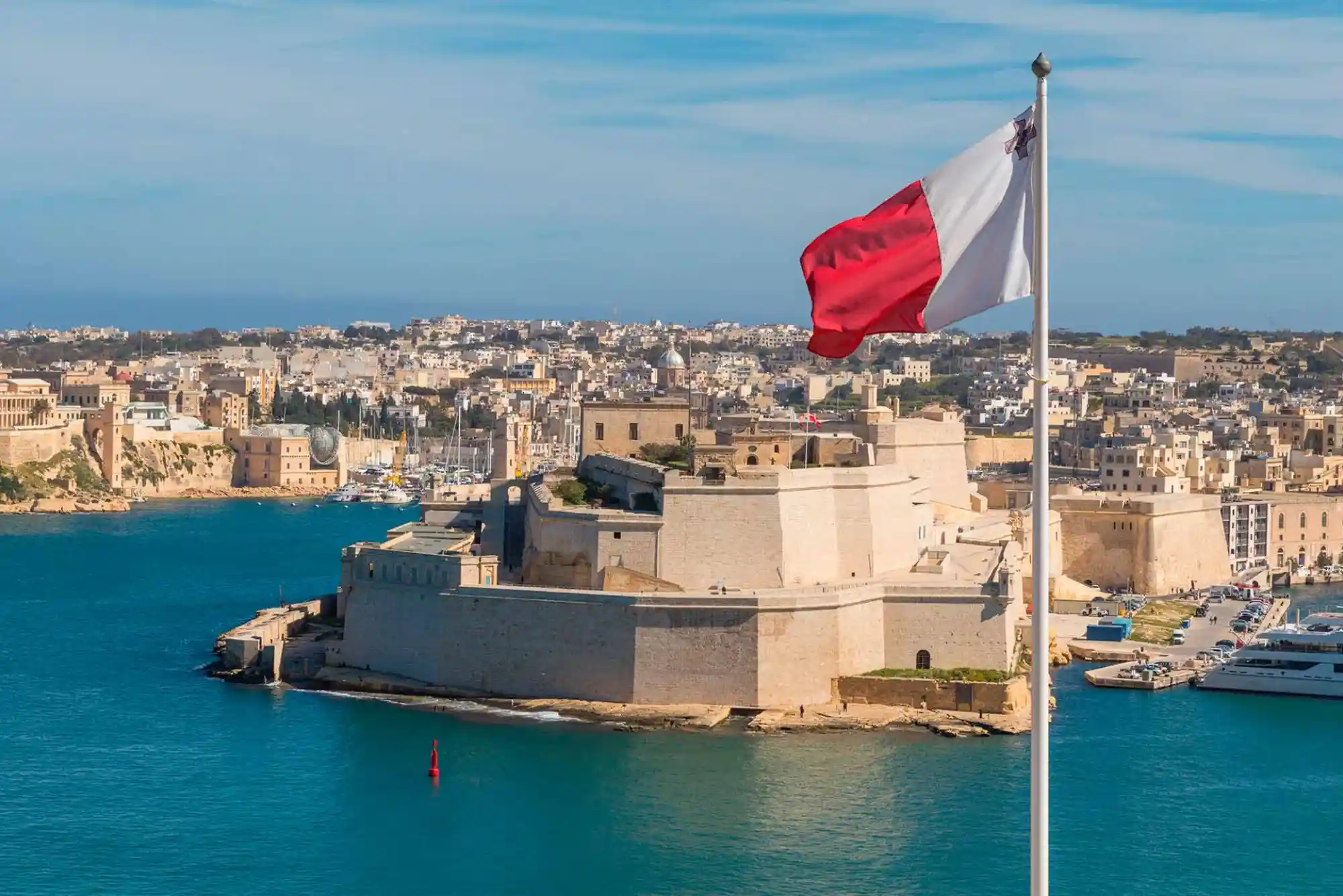
Malta has become an attractive destination for people seeking better career opportunities, international education, a Mediterranean lifestyle, and access to the European Union. Its English-speaking environment, growing service economy, and strategic location make it appealing to professionals, students, entrepreneurs, and families. However, moving successfully requires more than booking a flight and applying for a visa. Understanding how to immigrate to Malta starts with choosing the correct residence pathway and preparing the right documents.
The quickest route depends on your nationality, qualifications, employment prospects, financial resources, and long-term plans. Some applicants may qualify for a work permit, while others may benefit from a student visa, family reunification, or a specialized residence programme. Each route has different eligibility conditions, processing requirements, and restrictions.
This guide explains how to immigrate to Malta through practical, lawful methods. It covers the main immigration options, application procedures, document preparation, common mistakes, and ways to avoid unnecessary delays. Because immigration rules can change, applicants should verify current requirements with Malta's official authorities before submitting an application.
Before choosing a route, determine whether you intend to visit Malta temporarily, remain for employment or education, or establish long-term residence. These purposes involve different permissions, and a short-stay Schengen visa does not automatically grant the right to live or work in Malta.
Citizens of EU and EEA countries generally benefit from free-movement rules, although registration requirements may apply for longer stays. Non-EU nationals usually need an appropriate visa or residence authorization, depending on their nationality and intended activity.
The first step is to identify your immigration category. Employment, higher education, family reunification, self-employment, and qualifying investment or residence programmes may offer different possibilities. Your eligibility should determine your route rather than choosing a programme simply because it appears faster.
For many non-EU applicants, employment is one of the most practical ways to immigrate to Malta. The country has opportunities in sectors such as hospitality, information technology, financial services, healthcare, professional services, and certain technical occupations. Availability varies according to skills, experience, language ability, and employer demand.
Begin by preparing a professional CV that highlights relevant qualifications, measurable achievements, and previous experience. Search reputable recruitment websites and company career pages, and apply for positions that match your background. Employers are often more interested in candidates whose skills address a genuine business need.
Before accepting an offer, confirm the salary, responsibilities, working hours, contract conditions, and whether the employer can support the necessary immigration application. A job offer is an important starting point, but it does not automatically authorize a non-EU national to work in Malta.
Eligible non-EU nationals commonly use Malta's Single Permit framework to obtain authorization to reside and work for a specific employer. The application generally involves the employer and the relevant Maltese authorities, including Identità, the agency responsible for identity and immigration services.
Requirements can include a valid passport, employment documentation, evidence of qualifications where relevant, and other documents requested for the particular case. The employer may also need to satisfy applicable recruitment, vacancy, or compliance requirements.
The procedure can vary by occupation, applicant circumstances, and current regulations. Some applications may involve additional steps before the applicant can travel or begin working. Never assume that submitting an application means you can immediately start employment.
Highly skilled professionals may qualify for specific employment schemes, depending on their salary, job role, qualifications, and the programme's current conditions. These options can be relevant to experienced professionals in technology, finance, engineering, management, and other specialized fields.
Check the applicable salary thresholds, employment conditions, and eligibility rules before relying on a specialized route. Requirements may change, and a high salary alone does not guarantee approval.
For most applicants, the best strategy is to secure a genuine offer, confirm the employer's eligibility, and prepare all supporting documents before the application begins.
Studying in Malta can provide an opportunity to gain international qualifications and experience life in the country. Students can explore programmes offered by recognized universities, colleges, and other eligible educational institutions.
Start by comparing course content, tuition fees, admission requirements, and the institution's recognition status. Apply early enough to receive an admission decision and arrange any required immigration documents.
An admission letter is not the only requirement. Applicants may need to demonstrate sufficient financial resources, suitable accommodation, valid health insurance, and the ability to meet the course's conditions.
Depending on nationality, course type, and length of study, an international student may need a long-stay visa and residence authorization. The exact procedure should be confirmed with the institution and Malta's official immigration authorities.
Some eligible international students may work part-time under applicable conditions. However, permission to work is not automatic, and restrictions can apply to working hours, employment authorization, and the stage of study.
A student route should primarily support a genuine educational objective. Do not assume that studying in Malta guarantees permanent residence or automatically converts into a full-time work permit after graduation.
Family reunification may be suitable for people whose qualifying family members legally reside in Malta. Eligibility depends on the sponsor's residence status, the relationship between the applicants, financial and accommodation requirements, and the applicable rules.
Spouses and minor children may qualify in certain circumstances, but not every family relationship automatically creates an entitlement to residence. Requirements can differ depending on whether the sponsor is an EU citizen, a Maltese citizen, or a non-EU resident.
Applicants commonly need passports, proof of the family relationship, and supporting documents relating to the sponsor's status. Marriage certificates and birth certificates may need official legalization or apostille certification and an accepted translation, depending on where they were issued.
Before applying, confirm the specific family reunification procedure that applies to your circumstances. A complete application supported by consistent documentation can help reduce avoidable delays.
Some applicants explore residence programmes linked to financial resources, property, or investment. These options can be attractive to people who do not intend to rely on ordinary employment as their primary immigration route.
However, Malta's residence and investment programmes have distinct legal conditions. A qualifying residence programme is not necessarily an immigration route to employment, citizenship, or permanent residence. Each status must be understood separately.
The Malta Permanent Residence Programme, commonly known as MPRP, is a programme for eligible non-EU, non-EEA, and non-Swiss nationals who satisfy the applicable requirements. Conditions may include qualifying property arrangements, government contributions, administrative fees, and evidence of sufficient financial resources.
Applicants must also satisfy due diligence and other programme-specific criteria. Financial thresholds, fees, and qualifying arrangements can change, so check the current rules with the official programme administrator before committing money.
Use an appropriately qualified professional to review the programme's legal and financial implications. Do not transfer substantial funds based solely on promotional claims or promises of guaranteed approval.
Residence permission and citizenship are different legal statuses. Obtaining residence through employment, study, family reunification, or a residence programme does not automatically make someone a Maltese citizen.
Citizenship eligibility depends on separate legal rules and individual circumstances. Avoid advertisements suggesting that purchasing a property or making an investment automatically guarantees a passport.
If your objective is long-term settlement, evaluate the residence conditions, renewal requirements, time spent in Malta, and any separate eligibility rules relevant to your future plans.
Applicants from Pakistan and other non-EU countries should first identify the residence category that matches their purpose. A work permit, study route, family application, or qualifying residence programme may each involve different steps.
For employment, securing a genuine job offer and confirming the employer's role in the process are essential. For education, applicants should verify the institution, admission requirements, and financial documentation. Family applicants should establish their eligibility before arranging supporting certificates.
Depending on the route, applicants may need to apply for a visa through the appropriate Maltese or authorized visa application channel before travelling. A residence application and a visa application are not necessarily interchangeable, so confirm the required sequence.
Applicants should also check whether police clearance certificates, medical documentation, travel insurance, accommodation evidence, or authenticated translations are required in their particular case. Requirements may depend on nationality, residence history, and the immigration category.
Do not rely on an agent who promises a guaranteed permit or asks you to use false documents. Genuine immigration advice should explain eligibility, fees, risks, and the official application process clearly.
The documents needed to immigrate to Malta depend on the route selected. Nevertheless, many applicants should prepare a valid passport, completed application forms, recent photographs where required, and evidence supporting the purpose of their stay.
Employment applicants may need an employment contract, qualifications, a CV, and employer-related documentation. Students may need an admission letter, proof of funds, accommodation evidence, and insurance documents. Family applicants may need relationship certificates and the sponsor's residence information.
Applicants using a qualifying residence programme may need extensive financial records, property documentation, source-of-funds evidence, and due diligence materials.
Check passport validity, spelling, dates, and consistency across all documents. If a certificate was issued in another language, determine whether an official translation is necessary. Similarly, confirm whether the document requires apostille certification or another form of legalization.
Preparing the right documents before submission is one of the most effective ways to reduce avoidable processing problems.
There is no single processing time for everyone who wants to immigrate to Malta. The timeline depends on the application category, the completeness of the documents, the relevant authority's workload, and whether additional verification is necessary.
A work-based application may require coordination between the employer and immigration authorities. A student application may depend on admission, visa arrangements, and residence procedures. Family and investment-related applications can involve different evidence checks.
To avoid unnecessary delays, begin preparations early, respond promptly to requests for additional information, and use the current processing guidance published by the relevant authority.
Be cautious of anyone promising a guaranteed approval date. A faster application is not necessarily a better one if important eligibility conditions have been overlooked.
One frequent mistake is applying under the wrong immigration category. For example, a visitor visa should not be treated as permission to take up unauthorized employment. Another mistake is assuming that a job offer, university admission, or property purchase automatically grants residence rights.
Incomplete paperwork can also create difficulties. Missing signatures, inconsistent personal details, expired passports, unclear financial evidence, and improperly authenticated documents may result in requests for clarification or refusal.
Applicants should avoid relying on outdated online advice. Immigration procedures can change, particularly where employment permits, salary requirements, and programme conditions are concerned.
Finally, understand the total cost before committing. Consider application fees, document preparation, insurance, accommodation, travel, and the financial requirements that apply to your chosen route. Keep copies of every application and official communication.
Immigration applications can involve employment law, document authentication, residence conditions, and other legal considerations. If your circumstances are complicated, professional advice may help you understand the correct process and avoid preventable errors.
For general information about legal services in the UAE, you can explore Lawyer in Dubai. If you need to review immigration-related legal topics, visit Immigration & Visa.
You can also explore toplawyer for information about legal services and related resources. However, if your application concerns Malta, ensure that any adviser you engage is appropriately qualified to advise on Maltese immigration law. A Dubai-based legal directory is not a substitute for advice from a qualified Maltese immigration professional.
Learning how to immigrate to Malta becomes much easier when you identify your purpose, verify your eligibility, and follow the official process. Employment can be practical for applicants with in-demand skills and a genuine job offer. Education may suit those seeking recognized qualifications, while family reunification and qualifying residence programmes serve different needs.
There is no universally fastest route. The most effective option is the one that matches your circumstances and satisfies the current legal requirements. Before paying fees or making travel arrangements, verify the rules, prepare accurate documentation, and confirm whether you need a visa, residence authorization, or both.
Ready to plan your move? Identify the immigration route that best fits your situation, review the official requirements, and seek qualified Maltese immigration advice if you need help assessing your eligibility. Taking these steps early can make your move more organized, realistic, and secure.
Your options depend on your nationality and circumstances. You may initially qualify through employment, family reunification, or an eligible residence programme. Permanent residence and citizenship have separate eligibility requirements, so confirm the conditions applicable to your route.
Moving to Malta from Pakistan is possible, but the process depends on your purpose and eligibility. A genuine job offer, admission to an eligible educational institution, or qualifying family relationship may provide a suitable pathway. Applicants must follow the relevant visa and residence procedures.
Yes, potentially. Study, family reunification, and certain qualifying residence programmes may provide alternatives to employer-sponsored immigration. However, each route has specific conditions, and not every applicant will qualify.
There is no universal amount. Costs depend on the route, application fees, accommodation, insurance, travel, and financial evidence requirements. Investment or residence programmes may involve substantially higher financial commitments than employment or study routes.
A tourist or short-stay Schengen visa does not generally authorize ordinary employment in Malta. Non-EU nationals should obtain the appropriate work authorization before starting a job and follow any applicable entry and residence requirements.
Processing times vary according to the application type, employer requirements, document completeness, and official workload. Check current guidance from Identità and the relevant Maltese authorities rather than relying on an estimated timeframe from an agent.
Buying property alone does not automatically grant residence rights. Certain qualifying programmes may allow eligible applicants to use property arrangements as part of an application, subject to additional financial, legal, and due diligence requirements.
Eligible applicants may qualify for permanent residence through applicable legal routes, including specific residence programmes. Approval depends on meeting the relevant conditions, providing the required evidence, and satisfying the authorities' assessment. Residence permission should not be confused with citizenship.
Yes. Malta is a member of the Schengen Area. However, holding a Schengen short-stay visa does not automatically grant permission to live or work in Malta long-term. The appropriate national residence and employment rules still apply.
The articles published on TopLawyer.ae are prepared for general educational and informational purposes only and do not constitute formal legal advice or the formation of an attorney-client relationship. UAE laws, judicial precedents, and regulatory procedures are subject to frequent legislative amendments. Readers should consult a licensed legal advocate or registered law firm regarding their specific circumstances prior to taking legal action.

Licensed advocates and legal consultants experienced in this practice area across the UAE.
Introduction Understanding how many points are needed for Australian immigration is an important first step for skilled workers planning to...

Introduction How easy is it to immigrate to Canada? The answer depends on your education, work experience, language skills, financial...

Introduction Can immigration officers check your phone when you travel internationally? Yes, in many countries, immigration or border authorities can...
