Introduction
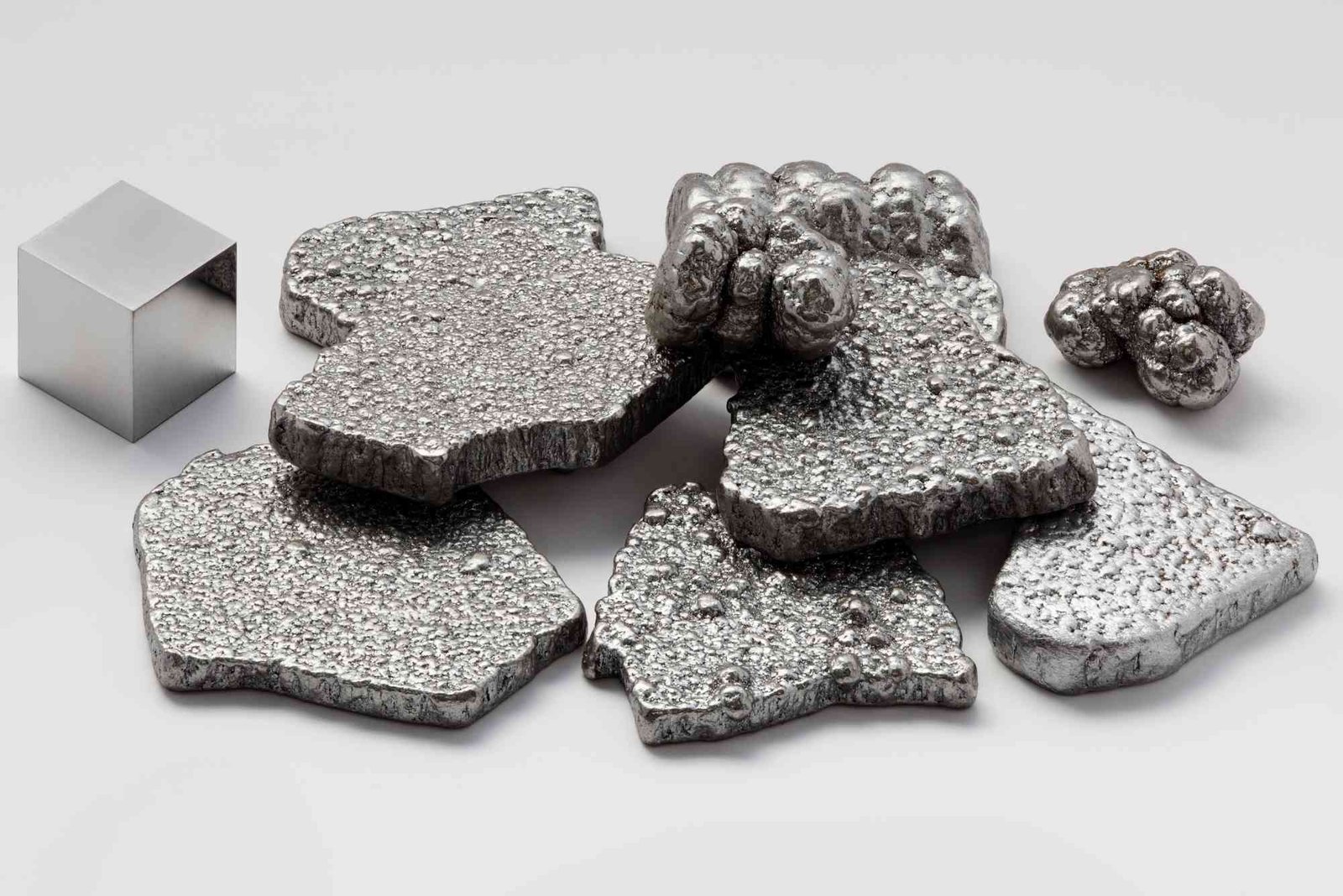
Iron stands as one of the most critical elements on Earth, shaping our modern infrastructure, history, and even our biology. Understanding what are the properties of iron: everything you need to know helps us appreciate why this transition metal remains a cornerstone of human civilization. From towering skyscrapers and heavy machinery to the blood flowing through our veins, iron plays an indispensable role. Pure iron is a lustrous, silvery-gray metal with a high atomic number of 26. However, its true value emerges when we examine its unique blend of physical behaviors, chemical reactions, and structural capabilities.
Physical Properties of Iron
The physical characteristics of iron define how it looks, feels, and behaves under various environmental conditions. In its purest form, iron is a relatively soft, silvery-white metal that possesses high ductility and malleability. This means skilled workers can easily hammer it into thin sheets or draw it out into fine wires without causing it to fracture. Furthermore, iron exhibits a high density of about 7.87 grams per cubic centimeter, giving it a heavy, solid feel. When it comes to thermal and electrical performance, iron functions as a moderate conductor of both heat and electricity, though it does not match copper or silver in those specific categories.
Melting and boiling points represent another critical set of physical traits for any metallic element. Iron has a remarkably high melting point of 1,538 degrees Celsius, alongside an extreme boiling point of roughly 2,862 degrees Celsius. These elevated thresholds allow iron and its primary derivative, steel, to withstand intense heat environments without immediately losing their structural integrity. Additionally, iron is famously ferromagnetic. This unique magnetic trait means that iron atoms can easily align their magnetic domains when exposed to an external field, making the metal strongly magnetic and capable of retaining permanent magnetism under the right conditions.
Chemical Properties of Iron
While physical traits show how iron handles stress and temperature, chemical properties dictate how it interacts with other substances. Iron is a chemically active transition metal that readily enters into reactions with non-metals, particularly oxygen, halogens, and sulfur. One of its most defining chemical behaviors is its tendency to exhibit multiple oxidation states, most commonly +2 and +3. These variable valence states allow iron to act as an effective catalyst in various industrial chemical syntheses, such as the Haber process used to manufacture ammonia.
Corrosion and oxidation represent the most prominent chemical challenges associated with iron usage. When exposed to both oxygen and moisture over time, iron undergoes an oxidation-reduction reaction that creates hydrated iron oxide, universally known as rust. This degradation process can severely compromise structural elements if left unprotected. To mitigate this, engineers and manufacturers apply protective coatings, paints, or alloying agents. Furthermore, iron reacts vigorously with dilute mineral acids, such as hydrochloric acid, to displace hydrogen gas and form corresponding iron salts. Legal disputes regarding damaged infrastructure often involve professionals who handle construction defects caused by unchecked metal corrosion.
Mechanical Properties and Alloys
Pure iron on its own is often too soft for heavy-duty structural applications, which is why metallurgy focuses heavily on its mechanical enhancements. By introducing Lawyer in Dubai controlled amounts of carbon and other trace elements like manganese, chromium, or nickel into molten iron, metallurgists create steel and cast iron. These alloys drastically improve the metal’s tensile strength, hardness, and wear resistance. Cast iron contains a higher carbon content, making it rigid and ideal for compression-heavy items like engine blocks, pipes, and cookware. Conversely, low-carbon steels offer incredible flexibility and tensile strength, making them the preferred material for modern architecture.

The crystalline structure of iron also shifts depending on temperature, displaying different allotropes such as alpha-iron, gamma-iron, and delta-iron. These phase changes are vital during the heat treatment of steel. Processes like annealing, Property & Rental Law quenching, and tempering alter the crystal lattice configurations to maximize toughness or reduce brittleness. Consequently, these mechanical properties determine how beams support weight in buildings or how machinery parts endure constant friction. Understanding these traits ensures that builders select the correct grade of material for long-lasting commercial and residential projects.
Biological Significance of Iron
Beyond heavy industry and construction, iron plays an astonishingly vital role in biological systems across nearly all living organisms. In humans, iron is an essential micronutrient required for optimal physiological function and overall health. An average adult body contains roughly four grams of iron, a significant portion of which resides inside hemoglobin, the protein found within red blood cells. Hemoglobin binds to oxygen molecules inside the lungs and transports them throughout the body to fuel cellular respiration.
Looking for trusted legal guidance in the UAE? Visit Top Lawyer for helpful legal resources, practical insights, and information on a wide range of legal matters. Whether you need to understand your rights, explore legal services, or stay informed about UAE laws, the homepage offers reliable content to help you make informed decisions with confidence.
Frequently Asked Questions
Why is iron magnetic?
Iron is a ferromagnetic material because its atomic structure features unpaired electrons in its d-orbitals. These electrons easily align their magnetic spins in a unified direction when exposed to a magnetic field, creating a strong attraction and allowing the metal to retain magnetic properties.
How does iron rust?
Rusting occurs when iron reacts chemically with both oxygen and moisture present in the environment. This electrochemical process forms a flaky reddish-brown layer of hydrated iron oxide, which gradually weakens the underlying metal if it is left unprotected from the elements.
What is the difference between iron and steel?
Iron is a pure chemical element found on the periodic table, whereas steel is an engineered alloy made primarily of iron combined with a small, controlled percentage of carbon and other trace metals to dramatically increase strength and durability.
What are the main uses of iron?
The vast majority of refined iron is utilized to manufacture various grades of steel. Steel and iron are heavily deployed in civil engineering for building frames, bridges, and infrastructure, as well as in automotive manufacturing, tools, and household appliances.
Related Reading: Why elements in the same group have similar properties: Everything You Need to Know