Introduction
Understanding the legal system can be challenging, especially when criminal cases are involved. One of the most important concepts in criminal justice is criminal prosecution. Many people hear this term in court cases, news reports, or legal discussions but may not fully understand what it means. This guide explains what criminal prosecution is, how the process works, and what happens from the beginning of a criminal case until its conclusion.
What Is Criminal Prosecution?
Criminal prosecution is the legal process through which the government charges an individual or organization with committing a crime and seeks to prove the accusation in court. The purpose of criminal prosecution is to enforce criminal laws, maintain public order, and hold offenders accountable for unlawful actions.
Unlike civil cases, where disputes occur between private individuals or businesses, criminal prosecution involves the state or government acting against a person accused of violating criminal laws. The prosecutor represents the government and is responsible for presenting evidence and proving the defendant’s guilt beyond a reasonable doubt.
Why Is Criminal Prosecution Important?
Criminal prosecution plays a vital role in every legal system. It ensures that crimes are investigated properly and that offenders are brought before the courts. At the same time, it protects the rights of accused individuals by requiring the prosecution to meet strict legal standards before obtaining a conviction.
Without criminal prosecution, law enforcement agencies would have limited ability to enforce laws and maintain public safety. The process also helps deter criminal behavior by demonstrating that violations of the law carry serious consequences.
Many areas of Criminal Law depend on effective prosecution to ensure justice is served fairly and consistently.

How Criminal Prosecution Begins
The criminal prosecution process typically starts when a crime is reported to law enforcement authorities. Police officers or investigators gather evidence, interview witnesses, and determine whether sufficient grounds exist to proceed.
After reviewing the available evidence, prosecutors decide whether formal criminal charges should be filed. This decision is based on the strength of the evidence and the likelihood of obtaining a conviction in court. If prosecutors believe there is enough evidence, they file charges against the suspect. Once charges are filed, the criminal prosecution officially begins.
The Main Stages of Criminal Prosecution
Criminal prosecution follows a structured legal process. Although procedures may vary between jurisdictions, the overall stages remain largely similar.
Whether you are a student, business owner, legal professional, or simply someone interested in understanding the law, knowing the fundamentals of criminal prosecution can help you better understand your rights and responsibilities. In serious legal situations, seeking advice from a Lawyer in Abu Dhabi can provide valuable guidance and representation.
Investigation Stage
The investigation phase is often the foundation of a criminal prosecution case. Law enforcement officers collect evidence, obtain statements from witnesses, review surveillance footage, and conduct forensic examinations when necessary.
The quality of the investigation often determines the strength of the prosecution’s case. Weak evidence may result in charges being dropped, while strong evidence can significantly increase the chances of a conviction.
Arrest and Charging
If investigators believe a suspect committed a crime, an arrest may occur. Following the arrest, prosecutors review the evidence and decide whether to file criminal charges.
Not every arrest leads to prosecution. Prosecutors have discretion to dismiss cases that lack sufficient evidence or fail to meet legal requirements.
Initial Court Appearance
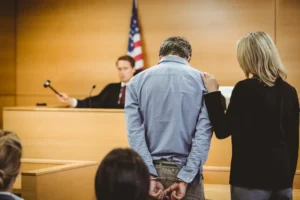
After charges are filed, the defendant appears before a judge. During this hearing, the court informs the accused of the charges and explains their legal rights.
The judge may also determine bail conditions or decide whether the defendant should remain in custody while awaiting trial.
Pre-Trial Proceedings
Before the trial begins, both sides exchange evidence and prepare legal arguments. This stage may involve motions, hearings, plea negotiations, and discussions regarding procedural issues.
Many criminal prosecutions are resolved during this phase through plea agreements rather than proceeding to a full trial.
Trial
The trial is often the most visible part of criminal prosecution. During the trial, prosecutors present evidence and call witnesses to establish the defendant’s guilt.
The defense has the opportunity to challenge evidence, cross-examine witnesses, and present its own arguments. The judge or jury then evaluates the evidence and determines whether the prosecution has proven the case beyond a reasonable doubt.
Sentencing
If the defendant is found guilty, the court imposes a sentence. Sentences may include imprisonment, fines, probation, community service, or other penalties depending on the nature of the offense.
The severity of the sentence often depends on factors such as the seriousness of the crime, prior criminal history, and the impact on victims.
Appeals
A convicted defendant may have the right to appeal the decision. Appeals focus on legal errors that may have occurred during the criminal prosecution process rather than re-examining factual evidence.
Higher courts review the case and may uphold, reverse, or modify the original judgment.
Examples of Criminal Prosecution
Understanding real-world examples can make criminal prosecution easier to understand.
Consider a theft case. A person is accused of stealing expensive electronics from a retail store. Security cameras capture the incident, and witnesses identify the suspect. Police investigate, collect evidence, and make an arrest. Prosecutors then file charges and present the evidence in court. If the court finds the evidence convincing beyond a reasonable doubt, the defendant may be convicted and sentenced.
Another example involves financial fraud. Suppose an employee manipulates company accounts and illegally transfers funds. Investigators examine financial records and gather evidence. Prosecutors then initiate criminal prosecution based on the evidence collected. If convicted, the individual may face fines, imprisonment, or both.
The Role of the Prosecutor
The prosecutor is one of the most important figures in criminal prosecution. Prosecutors are government attorneys responsible for representing the interests of the public.
Their duties include reviewing evidence, filing charges, presenting cases in court, negotiating plea agreements, and ensuring that legal proceedings comply with applicable laws. Importantly, prosecutors must seek justice rather than simply pursue convictions. Ethical prosecutors have a responsibility to disclose relevant evidence and ensure defendants receive fair treatment throughout the process.
Rights of the Accused During Criminal Prosecution
Criminal prosecution must balance public safety with individual rights. Defendants are protected by several important legal safeguards. Every accused person has the right to legal representation. They also have the right to remain silent and avoid self-incrimination. Additionally, defendants have the right to confront witnesses, challenge evidence, and receive a fair and impartial trial.
The burden of proof remains on the prosecution throughout the case. Defendants are presumed innocent until proven guilty beyond a reasonable doubt. These protections help prevent wrongful convictions and maintain confidence in the justice system.
Common Challenges in Criminal Prosecution
Criminal prosecution can involve numerous challenges. Witnesses may become unavailable, evidence may be incomplete, and legal procedures can be highly complex. In some cases, prosecutors struggle to prove guilt because key evidence is missing. In others, defense attorneys successfully challenge the reliability of evidence or the legality of investigative methods.
Technological advancements have introduced additional complexities, particularly in cybercrime and digital evidence cases. Prosecutors must continually adapt to new forms of criminal activity while maintaining compliance with legal standards.
What Happens If Criminal Prosecution Fails?
Not every criminal prosecution results in a conviction. If prosecutors cannot prove their case beyond a reasonable doubt, the defendant may be acquitted.
Charges may also be dismissed before trial if evidence is insufficient or procedural errors occur. In such situations, the accused individual is generally released from criminal liability related to those specific charges. Acquittal does not necessarily mean innocence. Rather, it means the prosecution failed to meet the legal burden required for conviction.
Criminal Prosecution and Criminal Defense
Criminal prosecution and criminal defense are opposite sides of the same legal process. Prosecutors seek to establish guilt, while defense attorneys protect the rights of the accused and challenge the prosecution’s evidence.
A criminal background check is a process used to review a person’s criminal history to ensure safety and trust in workplaces, housing, and other decisions. It helps employers and organizations verify records and make informed choices. Learn more about What is a criminal background check: Everything You Need to Know to understand how it works, what it includes, and why it is important today.
Conclusion
Understanding what criminal prosecution is helps individuals better navigate the legal system and recognize how criminal cases are handled. Criminal prosecution serves as a crucial mechanism for enforcing laws, protecting society, and ensuring accountability for unlawful conduct. From investigation and arrest to trial and sentencing, every stage is designed to balance public safety with individual rights.
Whether facing allegations, seeking legal knowledge, or dealing with a criminal matter, obtaining professional legal guidance is essential. Consulting an experienced Lawyer in Abu Dhabi can help you understand your options and protect your interests throughout the legal process. For more insights into Criminal Law, explore expert legal resources and stay informed about your rights and obligations.
Frequently Asked Questions
What is the meaning of criminal prosecution?
Criminal prosecution is the legal process through which the government charges and attempts to prove that a person committed a criminal offense.
Who conducts criminal prosecution?
Criminal prosecution is conducted by government prosecutors or public prosecutors who represent the state in criminal cases.
What is the difference between prosecution and conviction?
Prosecution refers to the legal process of bringing charges and presenting a case. Conviction occurs when the court finds the defendant guilty.
Can criminal prosecution be stopped?
Yes. Charges may be dismissed due to insufficient evidence, procedural issues, or other legal reasons before a final judgment.
What standard of proof is required in criminal prosecution?
The prosecution must prove the defendant’s guilt beyond a reasonable doubt, which is the highest standard of proof in law.